Book a Home Collection Now!
Top 10 Health Checkups Everyone Should Do Every Year
September 7, 2026 - By Lupin Diagnostics
High blood pressure and early diabetes often develop without a single warning sign. By the time you notice something is off, damage may already be underway. Knowing the top test that is required every year can help you stay ahead. This guide covers ten essential screenings that give you a clear picture of your health, year after year.
Why Does Early Detection Matter So Much?
Think of annual screenings as a routine service for your body. Catching a metabolic shift or organ imbalance early allows for timely action. This can prevent disease progression and reduce costly health outcomes down the line. Conditions like high cholesterol or borderline blood sugar rarely announce themselves with symptoms.
Regular top blood tests you should get annually act as baseline tracking tools. They help your doctor spot trends before small changes become serious problems.
What Are the Top 10 Health Checkups Everyone Should Do?
Here is a curated list of ten annual screenings suitable for most adults. Each one evaluates a different aspect of your health.
1. Complete Blood Count (CBC)
A complete blood count (CBC) test is one of the most commonly ordered blood tests. It evaluates the following key components:
- Red blood cells and haemoglobin: Screens for anaemia. Normal haemoglobin is roughly 13–18 g/dL for men and 12–16 g/dL for women
- White blood cells: Helps detect infections or immune disorders
- Platelets: Assesses your blood's ability to clot properly
2. Fasting Blood Glucose and HbA1c Test
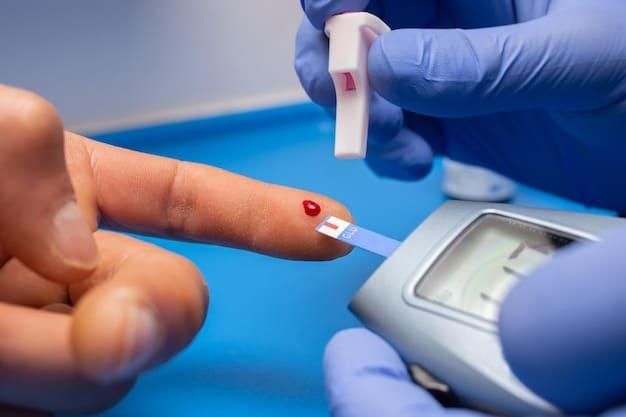
These are core metabolic screenings for prediabetes and type 2 diabetes. They rank among the top blood tests everyone should do once a year:
- Fasting blood glucose: Measures your blood sugar after an overnight fast. A reading of 126 mg/dL or above may indicate diabetes.
- HbA1c: Reflects your average blood sugar over the past 8–12 weeks. A level of 6.5% or higher is a red flag. It does not require fasting.
3. Lipid Profile Test (Cholesterol Screening)
A lipid profile test checks your cardiovascular risk by measuring these markers:
- Total cholesterol, HDL, and LDL: Helps assess plaque buildup risk in arteries
- Triglycerides: Elevated levels are linked to heart disease
Recent guidelines support nonfasting lipid profiles in most cases, as they reflect typical daily physiology
4. Liver Function Test (LFT)
Your liver function test (LFT) test examines hepatic markers to flag problems early:
- ALT and AST: Enzyme levels that rise with liver inflammation or fatty liver
- Bilirubin: Elevated levels may signal bile duct issues
- Albumin: A protein that reflects your liver's overall ability to function
Your doctor can interpret these results in the context of your medical history and lifestyle.
5. Kidney Function Test (KFT)
A kidney function test (KFT) test evaluates how well your kidneys filter waste:
- Serum creatinine and Blood Urea Nitrogen (BUN): Key indicators of filtration efficiency
- Uric acid and electrolytes: Helps detect gout risk and mineral imbalances
Early kidney damage often shows up as protein in the urine before any symptoms appear
6. Thyroid Profile (TSH, Free T3 and Free T4)
A thyroid profile (TSH) test screens for metabolic imbalances caused by thyroid dysfunction:
- TSH: The primary screening marker for underactive or overactive thyroid
- Free T3 and Free T4: Helps confirm the type of thyroid imbalance
Screening may be recommended from age 35, with repeat tests based on individual risk. Discuss the ideal screening frequency with your healthcare provider.
7. Vitamin D3 and Vitamin B12 Screening
Vitamin D and B12 screening is especially relevant in India. A rural Indian study found that nearly 75.7% of participants had low vitamin D, and about 42.3% were deficient in B12:
- Vitamin D: Supports bone density, immune function, and calcium absorption
- Vitamin B12: Essential for nerve health and energy production
Vegetarian diets, common in India, may raise the risk of B12 deficiency
8. Routine Urinalysis and Urine Microalbumin
A simple urine test can detect problems before you feel anything at all. The National Kidney Foundation notes that urinalysis identifies signs of infections, kidney damage, diabetes, and liver disease:
- Physical and chemical analysis: Checks colour, pH, and specific gravity
- Microscopic examination: Looks for bacteria, crystals, or blood cells
- Microalbumin: Detects tiny amounts of protein that signal early kidney stress
9. Blood Pressure and Basic Biomarker Check
Hypertension is often called the "silent killer" for good reason. Annual screening is recommended for adults aged 40 and above and for younger adults at increased risk:
- Blood pressure: Readings above 130/80 mmHg deserve attention
- Body Mass Index (BMI): A quick indicator of weight-related health risk
- Resting heart rate: Unusually high or low rates may warrant further evaluation
10. Electrocardiogram (ECG)
An ECG records the electrical activity of your heart. It can detect irregular rhythms, past silent ischaemic events, and resting heart strain. However, current evidence does not strongly support routine ECG screening for all asymptomatic adults. Your doctor may recommend it based on your age, family history, or personal risk factors.
Also Read: Top 10 Blood Tests You Should Get Annually for Better Health
Essential Annual Health Checkups at a Glance
Here is a quick-reference table summarising all ten recommended screenings:
| Test Name | Sample Type | Systems Evaluated | Key Biomarkers | Fasting Needed? |
|---|---|---|---|---|
| CBC | Blood | Blood cells, immunity | Haemoglobin, WBC, platelets | Not required |
| Fasting Glucose Test | Blood | Metabolism | Blood sugar level | 8 hours |
| HbA1c Test | Blood | Metabolism | 3-month average sugar | Not required |
| Lipid Profile | Blood | Cardiovascular | Total cholesterol, HDL, LDL, triglycerides | 12 hours (traditional) |
| LFT | Blood | Liver | ALT, AST, bilirubin, albumin | May be advised |
| KFT | Blood/Urine | Kidneys | Creatinine, BUN, uric acid | May be advised |
| Thyroid Profile | Blood | Thyroid/metabolism | TSH, Free T3, Free T4 | Not required |
| Vitamin D and B12 | Blood | Bones, nerves, immunity | 25-OH Vitamin D, B12 levels | Not required |
| Urinalysis | Urine | Kidneys, urinary tract | Protein, glucose, bacteria | Not required |
| BP and BMI | Non-invasive | Cardiovascular | Blood pressure, BMI | Not required |
| ECG | Non-invasive | Heart | Electrical rhythm | Not required |
How Should You Prepare for Annual Blood Tests?
Follow these practical tips for smooth, accurate results on your annual health checkup:
- Fast correctly: An 8-hour fast is usually enough for glucose tests. Lipid panels may need up to 9 to 12 hours because triglycerides take longer to clear
- Stay hydrated: Drink plain water during the fasting window. This makes vein access easier
- Skip intense exercise: Strenuous activity before a KFT can temporarily alter creatinine levels
- Carry past reports: Comparing results year on year helps your doctor track trends
- Know what needs fasting: CBC, thyroid, and HbA1c tests do not require fasting at all
Also Read: Full Body Health Checkup: Test List, Normal Ranges & Meaning
Taking Charge of Your Preventive Healthcare
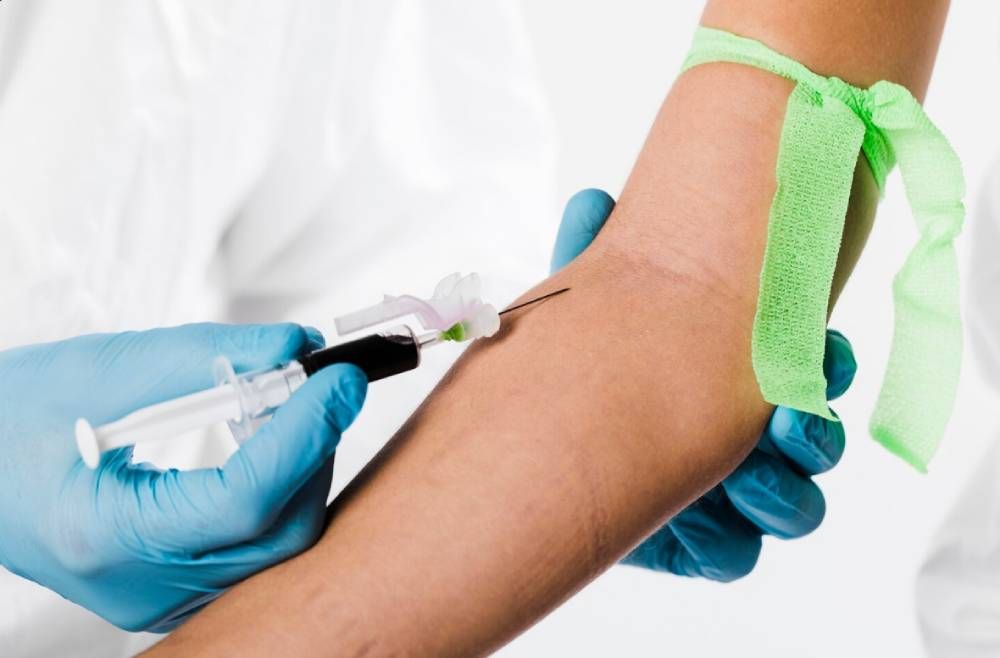
Prioritising the top test that is required every year is one of the simplest investments you can make in your long-term wellbeing. Most of these screenings involve a quick blood draw or a non-invasive check, yet they reveal hidden risks that could otherwise progress silently for years.
If you are ready to take that first step, Lupin Diagnostics offers comprehensive preventive healthcare packages across NABL-accredited labs and home collection services. Book your annual health checkup today and give yourself the gift of knowing where you stand.
Frequently Asked Questions
At what age should you start getting annual full body checkups?
Annual screening for conditions like hypertension is generally recommended from age 40 onwards. Adults aged 18–39 who are at low risk may get screened every 3–5 years, but those with family history or risk factors should start earlier.
Do young and healthy adults really need blood tests every year?
Yes. Conditions like high cholesterol and elevated blood sugar often develop without symptoms, even in younger adults. A simple blood test can catch these issues early, well before complications arise.
How long do you need to fast before an annual blood test?
An 8-hour fast is typically sufficient for fasting blood glucose. Lipid panels may need a 9 to 12-hour fast because triglycerides take longer to clear from the bloodstream. Tests like CBC and HbA1c need no fasting.
Is a routine urine test necessary if you have no symptoms?
Absolutely. Urinalysis can detect early signs of kidney damage, urinary infections, and metabolic issues before any symptoms appear. Early detection helps prevent these conditions from worsening.
What is the difference between an annual checkup and a basic blood test?
An annual checkup is a comprehensive assessment that includes a physical examination, blood pressure, BMI, and multiple blood tests like CBC, lipid profile, and glucose. A basic blood test is just one component of that broader evaluation.
Can insurance or healthcare plans cover routine annual health checkups?
Coverage varies depending on your insurance provider and plan. In India, many employer-sponsored and government health schemes include preventive health packages. Check with your insurer for specific details.
This article is for informational and educational purposes only. It is not a substitute for professional medical advice, diagnosis, or treatment. Please consult a qualified healthcare provider for any questions regarding your health or before making changes to your screening schedule.
Featured Articles

Dehydrated How To Make A Lifesaving Diy Rehydration Drink For Cholera Recovery
Posted on: 22nd Jan 2026
Diabetes Screening For Diagnosis And Prevention
Posted on: 25th Oct 2023

Eating To Recover: The Best Foods For Getting Back On Your Feet After Cholera
Posted on: 22nd Jan 2026