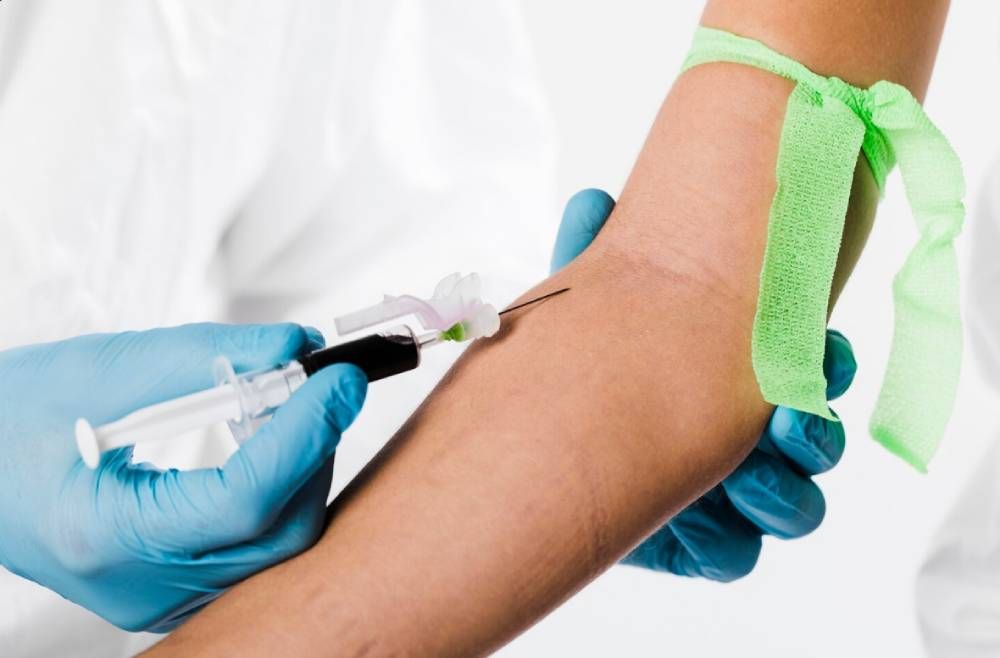
Book a Home Collection Now!
Ammonia Test - Purpose, Results, and Normal Range
July 20, 2026 - By Lupin Diagnostics
Every time you eat protein, your body breaks it down for energy. That process creates ammonia, a waste product your liver normally clears. In some conditions, however, this process doesn't work as efficiently. Understanding the ammonia test normal range helps you read your blood test report with confidence. This article covers what this test measures, why doctors order it, and what your results mean.
What Is an Ammonia Test?
A blood ammonia test measures ammonia (NH₃) levels in your bloodstream. Ammonia is a natural byproduct of protein digestion. In a healthy body, the liver converts this toxic waste into harmless urea, which your kidneys then flush out.
When the liver or kidneys struggle, ammonia builds up. High levels can harm tissues, particularly the brain and central nervous system. This test helps doctors spot that buildup early.
What Is the Purpose of an Ammonia Test?
Understanding the ammonia test purpose can help explain why doctors order this test in specific clinical situations. Here are the three most common reasons.
1. Diagnosing Hepatic Encephalopathy
Severe liver disease can slow the organ's ability to clear ammonia. The excess ammonia then crosses into the brain. This may cause confusion, hand tremors, cognitive decline, or even coma. Hepatic encephalopathy is among the most common reasons for ordering this test.
2. Screening for Urea Cycle Disorders in Newborns
Some babies are born with rare enzyme deficiencies. These urea cycle disorders prevent the body from processing ammonia properly. Symptoms like severe lethargy or unexplained vomiting often appear within 24 to 72 hours of birth. Early screening can be lifesaving.
3. Investigating Reye's Syndrome
Reye's syndrome is a rare but serious condition in children. It causes acute brain swelling alongside liver failure. It typically appears days after a viral illness, especially when aspirin is given. Over 80% of diagnosed children had taken aspirin in the preceding three weeks. Always consult your paediatrician before giving any medication to children.
What Is the Ammonia Test Normal Range?
Standard adult ammonia levels generally fall between 15 and 45 µg/dL. In micromoles, that translates to 10.7 to 32 µmol/L.
Keep in mind that exact reference values vary. Your lab, age, and the testing method used can all shift the boundaries slightly. Always compare your result against the specific range printed on your report.
How Should You Interpret Ammonia Test Results?
Reading your ammonia test results becomes easier with a simple framework. The table below offers a general guide:
| Ammonia Level | Potential Implications | Suggested Next Steps |
|---|---|---|
| 15–45 µg/dL (Normal) | Liver is processing ammonia effectively | Routine follow-up as advised |
| 46–99 µg/dL (Mildly Elevated) | Possible early liver stress or dietary influence | Liver enzyme panel (ALT/AST); dietary review |
| Above 100 µg/dL (Significantly High) | Risk of encephalopathy; possible liver or metabolic disorder | Urgent medical evaluation; imaging and specialist referral |
Interestingly, high ammonia symptoms can vary significantly from person to person. Some patients with elevated ammonia show no confusion or neurological changes at all, while others develop symptoms even at moderately high levels. Your doctor will interpret results alongside your symptoms and medical history.
Why Is the Pre-Test Procedure So Sensitive?
Ammonia testing demands strict sample handling. At room temperature, blood cells continue producing ammonia. Delays in transporting the sample to the lab can falsely inflate readings.
To help ensure accurate results, follow these guidelines before your test:
- Fast for at least 8 hours before the blood draw to reduce dietary interference.
- Skip strenuous exercise on the morning of your test. Physical exertion raises ammonia temporarily.
- Avoid smoking for at least 8 hours prior to reduce preanalytical variables.
- Ensure quick sample transport. The blood sample must reach the lab and be processed rapidly.
A high-protein meal the night before can also push your reading upward. Following these guidelines helps your doctor get a true picture of your liver function tracking.
Key Takeaway
Blood ammonia serves as an important marker for both liver performance and neurological safety. It can flag conditions ranging from hepatic encephalopathy to inherited metabolic disorders. Always review your results alongside other tests like liver enzyme panels and ultrasound scans for a complete picture.
If you need to get your serum ammonia levels or liver health checked, Lupin Diagnostics offers comprehensive testing at NABL-accredited labs with reliable sample handling across India.
FAQs
Can eating a high-protein meal right before a blood draw artificially elevate my ammonia test results?
Yes. A high-protein diet can raise blood ammonia levels, so fasting for at least 8 hours before the test is generally recommended to avoid misleading results.
How does a long tourniquet time during a difficult blood draw cause a false positive for high ammonia levels?
A prolonged tourniquet restricts blood flow, causing cellular changes in the sample. This can increase ammonia concentration in the collected blood, leading to falsely high readings.
Can common daily lifestyle habits like smoking cigarettes or vaping affect my baseline serum ammonia readings?
Yes, smoking can influence ammonia levels. Patients are advised to avoid smoking for several hours before the test to prevent inaccurate results.
What are the most common medications or antibiotics that doctors use to lower dangerous ammonia spikes in liver patients?
Lactulose helps reduce ammonia production and absorption in the gut. Rifaximin, an antibiotic, also lowers ammonia made by intestinal bacteria. Your doctor will determine the right treatment plan for you.
Is it possible to have an elevated ammonia level but show no visible symptoms of confusion or neurological changes?
Yes, some patients with liver cirrhosis can have elevated ammonia without obvious signs of confusion or neurological changes. Regular monitoring helps catch these silent elevations.
Are home testing kits available for tracking ammonia levels, or must they always be processed in a clinical hospital laboratory?
Ammonia samples must be processed within one hour and stored at cool temperatures. This strict handling requirement makes clinical laboratory testing essential for accurate results.
This article is for informational purposes only and does not replace professional medical advice, diagnosis, or treatment. If you have concerns about your ammonia levels or liver health, please consult a qualified healthcare provider.
Featured Articles

Dehydrated How To Make A Lifesaving Diy Rehydration Drink For Cholera Recovery
Posted on: 22nd Jan 2026
Diabetes Screening For Diagnosis And Prevention
Posted on: 25th Oct 2023

Eating To Recover: The Best Foods For Getting Back On Your Feet After Cholera
Posted on: 22nd Jan 2026