Book a Home Collection Now!
Eating To Recover: The Best Foods For Getting Back On Your Feet After Cholera
September 8, 2025 - By Lupin Diagnostics
Cholera is a serious diarrheal disease caused by the bacterium Vibrio cholerae, leading to severe fluid and electrolyte loss. While immediate rehydration is the first line of treatment, recovery does not end with oral rehydration salts (ORS). Nutrition plays a critical role in rebuilding strength, restoring gut health, and preventing relapse.
Why a Targeted Diet After Cholera Matters
Large fluid losses during cholera also wash away essential nutrients needed for immunity, energy, and tissue repair. After infection, patients are often:
- Weak and fatigued
- Deficient in potassium, sodium, and magnesium
- Suffering from gut inflammation and poor nutrient absorption
- At risk of prolonged malnutrition and secondary infections
A targeted recovery diet helps by:
- Replenishing lost nutrients
- Reducing gut inflammation
- Restoring beneficial gut bacteria
- Supporting protein and energy needs
- Preventing recurrence of symptoms
Phase 1: Bland Diet After Cholera for Immediate Recovery (Day 1–3)
As diarrhea subsides, the digestive system remains sensitive. Easily digestible, low-residue foods should be introduced gradually.
Recommended foods:
- White rice or rice porridge: Easy to digest and helps bind stools.
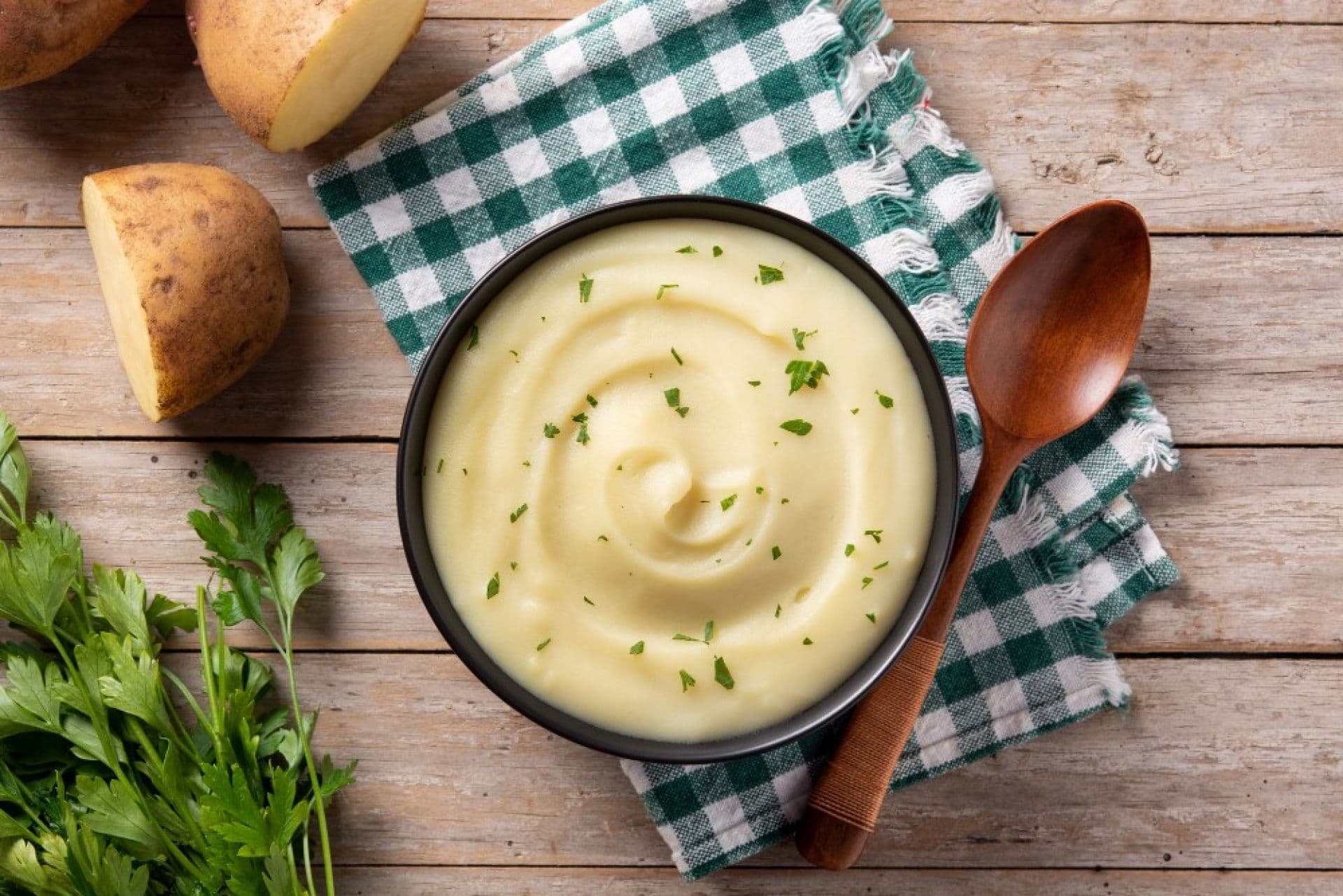
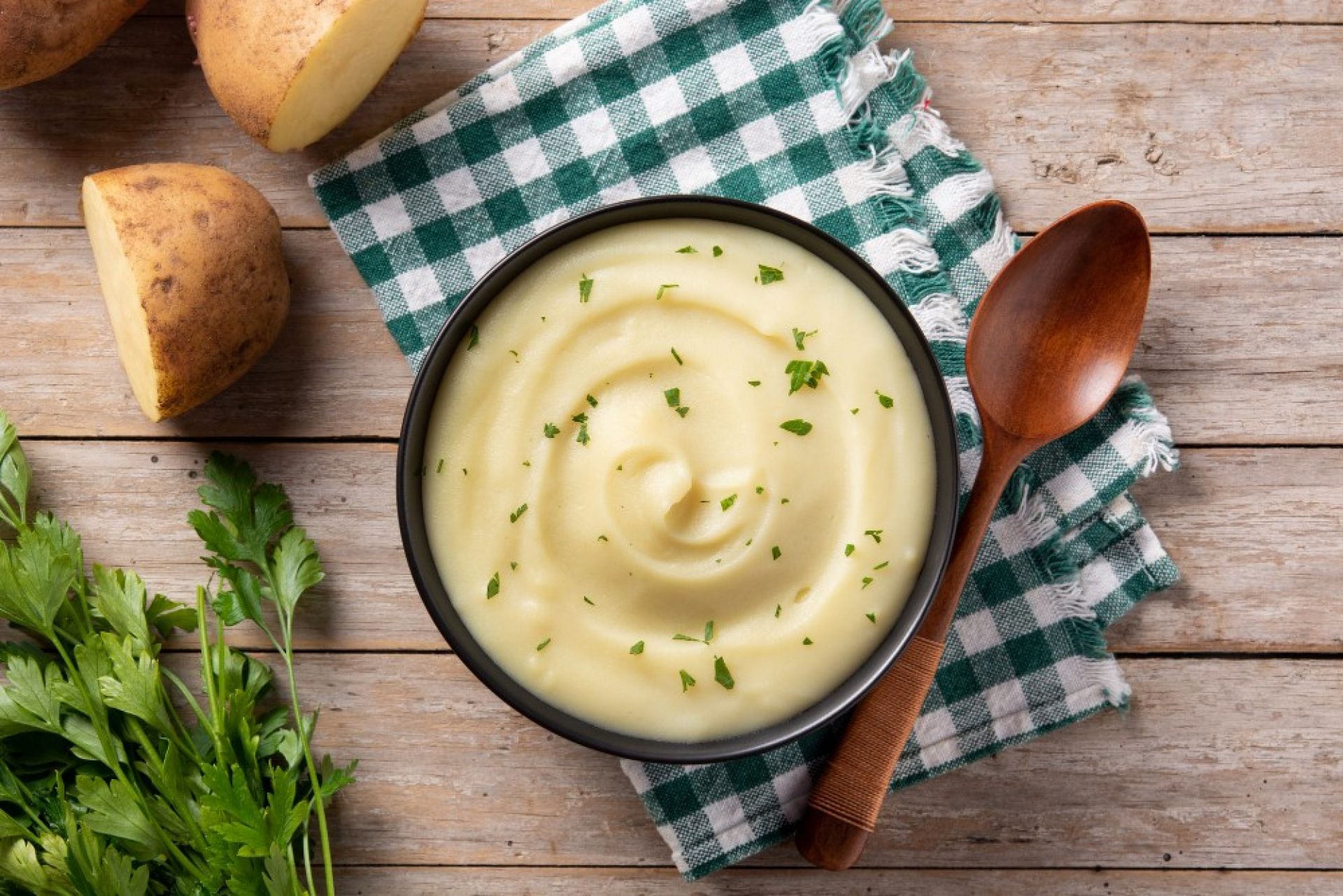
- Boiled or mashed potatoes: Rich in potassium and gentle on the stomach.
- Bananas: High in potassium and pectin, which helps normalize bowel movements.
- Boiled carrots or pumpkin: Provide beta-carotene and soothe digestion.
- Plain toast or soft chapatis: Provide energy without irritating the gut.
- Steamed apples or applesauce: Offer antioxidants and soluble fiber.
- Hydration: Continue ORS, coconut water, lightly salted rice water, or clear vegetable broth.
Avoid: Dairy products, fried foods, raw fruits and vegetables, caffeine, and spicy foods.
Phase 2: Best Foods For Getting Back On Your Feet After Cholera (Day 4–7)
When symptoms no longer recur, gradually reintroduce proteins, healthy fats, and soft fiber.
- Khichdi (rice and lentils): Restores energy and protein levels.
- Boiled or scrambled eggs: Provide complete protein and zinc.
- Steamed fish or soft chicken: Supports tissue and muscle recovery.
- Soft-cooked spinach or bottle gourd: Supply minerals and hydration.
- Yogurt or curd: Reintroduces probiotics for gut healing.
- Oatmeal or broken wheat: Offers soluble fiber and steady energy.
- Mashed sweet potato: Rich in potassium and beta-carotene.
Tip: Introduce one new food at a time and keep portions small.
Phase 3: Full Digestive Recovery (Week 2 Onward)
Most patients can now resume a normal diet, focusing on gut-friendly and anti-inflammatory foods.
- Balanced meals with complex carbohydrates, lean protein, and healthy fats
- Well-cooked vegetables such as carrots, pumpkin, ridge gourd, and spinach
- Whole grains like brown rice, millet, and oats in moderation
- Healthy fats from nuts, seeds, ghee, and cold-pressed oils
- Fruits such as papaya, apple, and guava (peeled)
- Fermented foods like curd and buttermilk
- Bone broth or lentil soup for gut repair
Key Nutrients for Cholera Recovery
- Electrolytes: Restore with bananas, boiled potatoes, ORS, and vegetable soups.
- Zinc: Found in eggs, nuts, fish, and legumes.
- Vitamin A: Supports gut and immune repair; found in carrots, pumpkin, papaya.
- Probiotics: Curd and fermented foods help restore gut flora.
- Iron: Replenish with leafy greens, jaggery, and lean meats.
- Protein: Dal, eggs, paneer, fish, and legumes support healing.
Foods to Avoid During Recovery
- Deep-fried and high-fat foods
- Sugary snacks and sweetened beverages
- Spicy and heavily seasoned foods
- Caffeinated drinks
- Unpasteurized milk
- Highly processed packaged foods
- Gas-forming vegetables such as cabbage and cauliflower
Gut-Friendly Tips for Faster Recovery
- Eat small, frequent meals
- Prefer warm, freshly cooked foods
- Chew slowly and thoroughly
- Avoid raw foods during recovery
- Get adequate rest
- Maintain strict hand and food hygiene
When to See a Doctor
Seek medical advice if:
- Diarrhea returns after meals
- Persistent vomiting or nausea occurs
- Signs of dehydration reappear
- Weight continues to drop
- Blood appears in stool or fatigue persists
Doctors may recommend blood or stool tests to rule out reinfection or nutritional deficiencies.
Recovering from cholera is not just about stopping diarrhea. It is about rebuilding strength, restoring gut health, and regaining immunity. Simple, well-cooked foods combined with hydration, rest, and hygiene can significantly speed recovery.
Your kitchen can be your pharmacy. Foods like rice, dal, bananas, papaya, curd, and gourd vegetables are powerful allies on the road back to health.
Frequently Asked Questions
What are the best immediate foods to eat when recovering from cholera?
During the first few days of recovery (Phase 1), focus on bland, low-residue, easily digestible foods like white rice porridge, boiled mashed potatoes, bananas, steamed applesauce, and plain toast. These foods help bind stools and replenish essential minerals without irritating the sensitive gut lining.
Why is potassium particularly important after a cholera infection?
Cholera causes rapid, severe fluid loss that depletes key electrolytes, especially potassium and sodium. Low potassium levels can lead to muscle weakness, severe fatigue, and cramping. Reintroducing potassium-rich foods like bananas, coconut water, and boiled potatoes is critical for restoring muscle and nerve function.
When is it safe to reintroduce dairy and solid proteins like chicken or fish?
Dairy (except for plain yogurt/curd) and solid lean proteins should generally be avoided during the first 3 days. From Day 4 onward (Phase 2), as diarrhea subsides, you can gradually reintroduce gut-friendly probiotics like curd, along with soft, easily digestible proteins such as khichdi (rice and lentils), scrambled eggs, or steamed fish.
Which foods should be strictly avoided during cholera recovery?
To prevent relapse and digestive distress, avoid deep-fried foods, spicy dishes, caffeinated or sugary beverages, unpasteurized milk, raw vegetables, and gas-forming produce (like cabbage or cauliflower) until full gut function is restored.
What key nutrients help repair the intestinal lining after severe gastroenteritis?
Key recovery nutrients include Zinc (eggs, lentils, fish) to support gut tissue repair and immunity, Vitamin A (carrots, pumpkin, papaya) to restore mucosal linings, and Probiotics (curd, buttermilk) to replenish healthy gut bacteria stripped away during infection.
Featured Articles
Diabetes Screening For Diagnosis And Prevention
Posted on: 25th Oct 2023
Eating To Recover: The Best Foods For Getting Back On Your Feet After Cholera
Posted on: 22nd Jan 2026
What A Complete Blood Count (CBC) Tells You About Your Health
Posted on: 22nd Jan 2026