Book a Home Collection Now!
Top 10 Blood Tests You Should Get Annually for Better Health
August 18, 2026 - By Lupin Diagnostics
Many serious health conditions develop silently, without obvious symptoms. Scheduling annual health checkup tests can catch problems like pre-diabetes, rising cholesterol, or early liver strain before they escalate. This guide covers the top health checkups everyone should do every year and how to prepare for them.
Why Do You Need Annual Blood Work Even If You Feel Healthy?
Most people visit a doctor only when something feels wrong. By then, conditions may have already progressed. Screening blood glucose in a clinical setting is a key strategy to detect undiagnosed diabetes and pre-diabetes early.
Routine blood work helps you in several ways:
- Spots early warning signs of diabetes, heart disease, or kidney issues
- Establishes your personal baseline so future changes stand out
- Tracks the effects of dietary habits and medications over time
- Gives your doctor data to personalise your care plan
What Are the Top 10 Blood Tests Everyone Should Do Every Year?
Here is a curated list of top health checkups everyone should do every year. Each test targets a different aspect of your health.
1. Complete Blood Count (CBC)
A complete blood count is often the first test any doctor recommends. It gives a broad snapshot of your health:
- Counts red blood cells, white blood cells, and platelets
- Measures haemoglobin to screen for anaemia
- Detects signs of infection or immune system issues
- Flags early indicators of blood disorders
2. Fasting Blood Glucose and HbA1c
Fasting blood sugar testing, paired with HbA1c, gives a clear picture of how your body handles glucose:
- HbA1c reflects your average blood sugar over three months
- Screens for prediabetes and diabetes early
- The WHO recommends diabetes screening for adults aged 40 and above with a body mass index (BMI) over 25
3. Lipid Profile (Comprehensive Cholesterol Panel)
A lipid profile measures LDL, HDL, total cholesterol, and triglycerides. High triglycerides raise the risk of heart disease and stroke.
- Evaluates your overall cardiovascular disease risk
- Helps guide dietary and lifestyle changes
- Typically requires 10 to 12 hours of fasting
4. Thyroid Function Test (TSH, Free T3 and T4)
Thyroid screening checks whether your thyroid gland is overactive or underactive.
- Measures TSH, free T3, and free T4 levels
- Thyroid imbalances can affect weight, energy, mood, and metabolism
- Early detection may help prevent longer-term issues like fractures or heart problems
5. Liver Function Test (LFT)
A liver function panel tracks markers like ALT, AST, bilirubin, and alkaline phosphatase.
- Detects early liver strain, fatty liver, or inflammation
- Identifies strain caused by long-term medication use
- Helps monitor the impact of diet, alcohol, and lifestyle on liver health
6. Kidney Function Test (KFT)
This test measures serum creatinine, blood urea nitrogen, and eGFR. These markers reveal how efficiently your kidneys filter waste.
- Screens for early kidney damage, especially in diabetics
- Tracks the impact of blood pressure on kidney function
- Usually included in a basic metabolic panel
7. Vitamin D3 (25-Hydroxy Vitamin D) Test
Vitamin D deficiency is remarkably common in India. A study found that roughly 67% of Indian adults are deficient.
- Supports bone density, muscle strength, and immune health
- Deficiency often causes no obvious symptoms for years
- Particularly common among people with indoor lifestyles
8. Vitamin B12 Test
About 51% of Indians have inadequate B12 levels. Among vegetarians, this rises to 65%.
- B12 supports nerve function and red blood cell production
- Deficiency causes fatigue, tingling, and memory issues
- Especially important for those on vegetarian or vegan diets
9. High-Sensitivity C-Reactive Protein (hs-CRP)
This test measures low-level inflammation in your blood vessels.
- hs-CRP is a well-validated predictor of cardiovascular risk
- Elevated levels are linked to heart attacks and strokes
- Useful alongside a lipid profile for a fuller heart health picture
10. Serum Ferritin and Iron Panel
Your body stores iron as ferritin. This test checks whether those stores are too low or too high.
- Checks for iron deficiency anaemia or iron overload
- Low iron causes chronic fatigue, weakness, and poor concentration
- Important for women of reproductive age
Also Read: Essential Blood Tests for Proactive Health Maintenance
Annual Blood Tests at a Glance
This quick-reference table summarises all ten tests in the preventive wellness screening list:
| Test | Key Biomarkers | Fasting Required | Primary Purpose |
|---|---|---|---|
| CBC | RBC, WBC, haemoglobin, platelets | No | Anaemia, infection, immune status |
| Fasting Glucose and HbA1c | Blood sugar, HbA1c | Yes | Pre-diabetes and diabetes screening |
| Lipid Profile | LDL, HDL, Triglycerides | Yes | Heart disease risk |
| Thyroid Function | TSH, Free T3, Free T4 | No | Thyroid imbalance detection |
| LFT | ALT, AST, Bilirubin | No | Liver health and medication strain |
| KFT | Creatinine, BUN, eGFR | No | Kidney filtration efficiency |
| Vitamin D3 | 25-Hydroxy Vitamin D | No | Bone and immune health |
| Vitamin B12 | Serum B12 | No | Nerve function, red blood cells |
| hs-CRP | C-Reactive Protein | No | Vascular inflammation |
| Ferritin and Iron Panel | Serum Ferritin, Iron | Yes | Iron stores, anaemia screening |
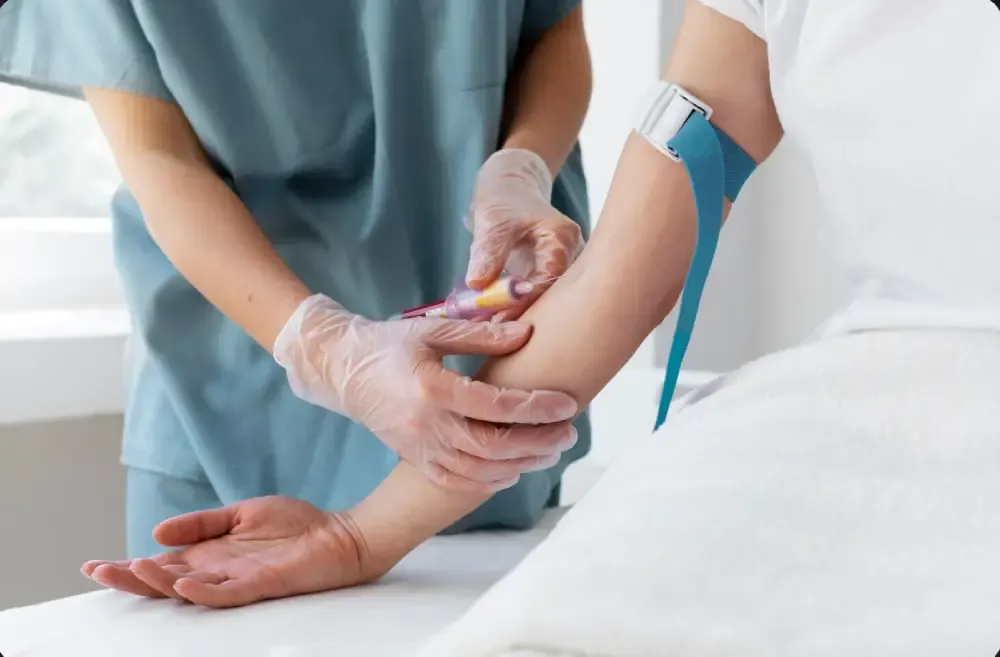
How Should You Prepare for Your Annual Blood Draw?
A little preparation helps ensure accurate results. Keep these tips in mind:
- Fast for 8 to 12 hours before tests that require it, such as fasting glucose and iron panels
- Drink plain water freely. Only food and other beverages need to be avoided
- Skip alcohol for at least 24 hours before the blood draw
- Avoid heavy workouts on the day before your test
- Inform the lab about any medicines or supplements you take regularly
Also Read: Most Common Pathology Tests and What They Diagnose
How Do Age and Gender Shape Your Annual Health Screenings?
Your screening needs evolve with age and gender. Here are some additional tests to discuss with your doctor:
- Men over 40: Prostate-specific antigen (PSA) screening for prostate health
- Women: Hormonal panels and cervical screening at intervals recommended by their gynaecologist
- Seniors (60+): Bone density (DEXA) scans to check for osteoporosis
If diabetes, heart disease, or cancer runs in your family, earlier and more frequent screening may be appropriate.
Your doctor can recommend the right combination based on your personal and family health history.
Conclusion
Annual blood tests are one of the simplest ways to stay ahead of silent health conditions. From catching prediabetes early to spotting a hidden vitamin deficiency, routine blood work puts you in control. The ten tests above cover your heart, liver, kidneys, thyroid, blood health, and nutritional balance – a solid foundation for long-term wellness.
Lupin Diagnostics offers comprehensive health check-up packages at NABL-accredited labs and convenient home collection services across India. Book your tests today and invest in your well-being.
Frequently Asked Questions
How long should you fast before an annual preventive blood test?
Most fasting blood tests require you to avoid food for 8 to 12 hours beforehand. Schedule your draw for the morning so most of the fasting window falls during sleep.
Are annual health checkup tests covered by standard health insurance plans?
Many comprehensive health insurance policies in India include an annual preventive health check-up under wellness benefits. Check with your insurer for specific coverage details.
Can drinking water before a morning blood draw alter your lab results?
Plain water is allowed and even encouraged during fasting. Only food and other beverages should be avoided before fasting blood tests.
What is the best age to start getting comprehensive annual blood work done?
Experts now recommend diabetes and metabolic screening from age 35 for all adults. Start annual blood work in your late twenties or early thirties for baseline tracking.
How long does it typically take to get complete results back from a full body lab panel?
Most routine results come back within 24 to 72 hours. Specialised tests may take a few days longer depending on the laboratory.
Can stress or a bad night's sleep temporarily affect annual blood test markers?
Yes, stress, poor sleep, and strenuous exercise can influence certain markers. If results seem unusual, your doctor may recommend repeating the test under better conditions.
This article is for informational and educational purposes only. It does not replace professional medical advice, diagnosis, or treatment. Please consult a qualified healthcare provider for any health concerns or before making changes to your health routine.
Featured Articles

Eating To Recover: The Best Foods For Getting Back On Your Feet After Cholera
Posted on: 22nd Jan 2026

What A Complete Blood Count (CBC) Tells You About Your Health
Posted on: 22nd Jan 2026

Constant Fatigue? Here’s What Your Blood Test Might Reveal
Posted on: 22nd Jan 2026