Book a Home Collection Now!
Preventive Health Checkups Why They Should Be Part Of Your Routine
November 24, 2025 - By Lupin Diagnostics
In our busy lives, we often overlook the most important investment, our health. Many people visit the doctor only when they fall ill, ignoring small warning signs that could point to larger problems. Preventive health checkups are a simple yet powerful way to take charge of your well-being, detect diseases early, and live a longer, healthier life.
This article explores why preventive health checkups, especially routine blood tests like the CBC Test, HbA1c Test, and Lipid Profile, should be a regular part of your annual health screening. You will also understand the importance of early disease detection, full-body diagnostic tests, and how regular screening empowers wellness.
What Are Preventive Health Checkups?
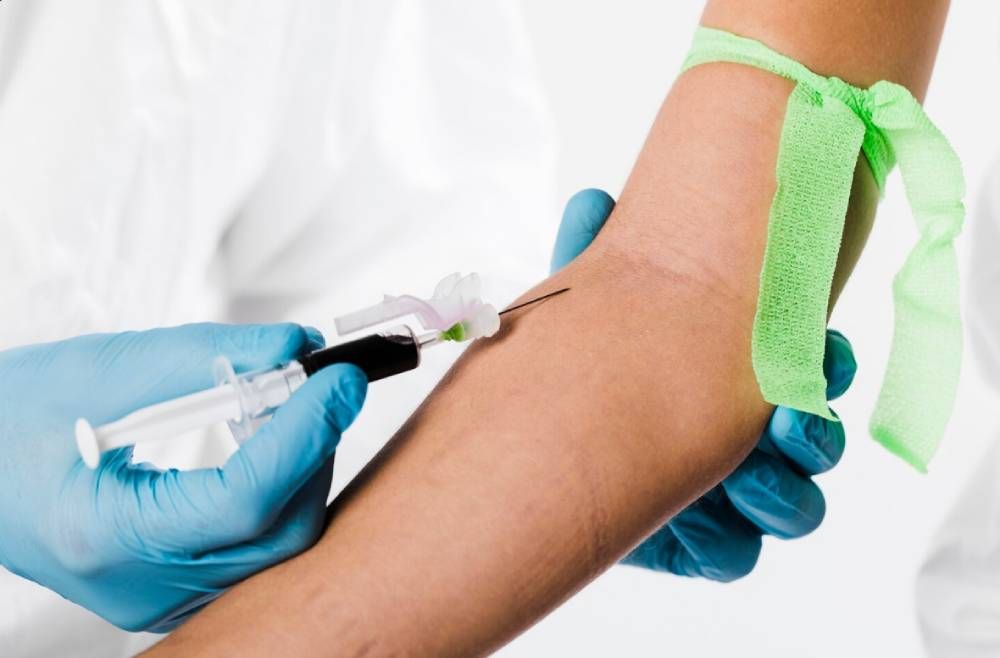
Preventive health checkups are proactive medical assessments aimed at detecting diseases before they cause noticeable symptoms. They include:
- Routine blood tests (CBC, HbA1c, Lipid Profile, kidney and liver function, thyroid panel)
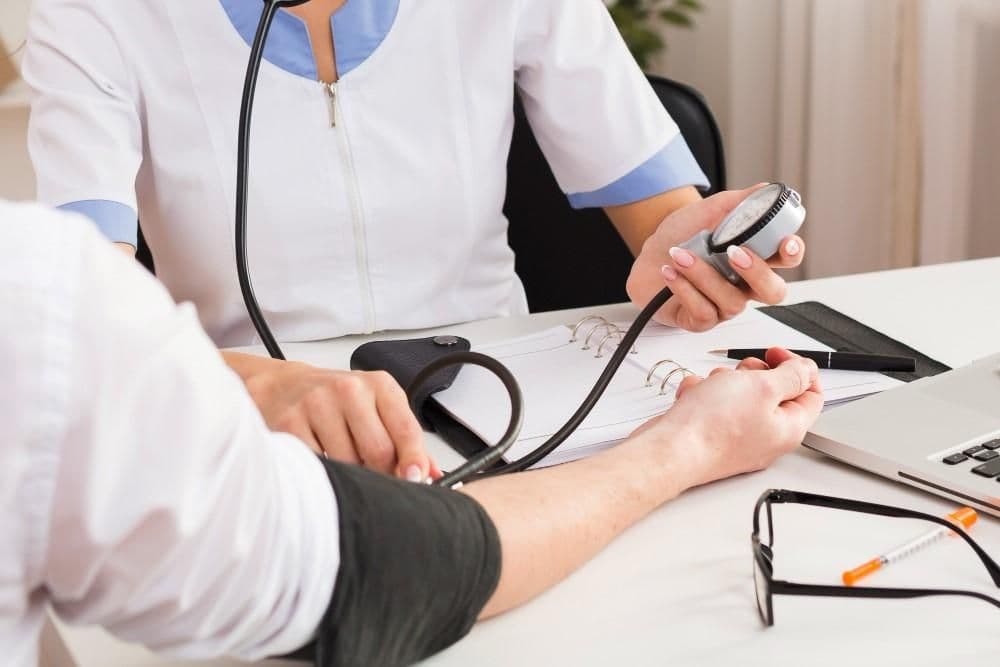
- Physical examination and health risk assessment
- Screening for chronic illnesses (e.g., diabetes, heart disease, hypertension)
- Lifestyle and nutritional counselling
The Centers for Disease Control and Prevention (CDC) highlights regular checkups and screenings as one of the most effective ways to reduce chronic disease burden and ensure early diagnosis.
Why Preventive Health Checkups Matter
1. Early Disease Detection
Early detection is the foundation of preventive care. According to a Cochrane Database of Systematic Reviews study, general health checks can reduce morbidity and mortality through earlier detection of risk factors and diseases.
Key examples:
- The HbA1c Test can detect pre-diabetes before symptoms like thirst or fatigue appear.
- The Lipid Profile can reveal high LDL cholesterol even in slim, active individuals.
- The CBC Test can uncover infections, anaemia, or immune dysfunction early.
These simple routine blood tests give doctors data to act before illness becomes chronic or irreversible.
2. Routine Blood Tests Offer a Health Snapshot
Routine blood tests are among the most effective diagnostic tools available. They reveal organ performance, nutrient status, and potential abnormalities that might otherwise go unnoticed.
| Test | Purpose | Key Health Insights |
| CBC Test | Measures red and white blood cells, hemoglobin, and platelets | Detects anaemia, infections, immune suppression |
| HbA1c Test | Average blood sugar over 3 months | Reveals early diabetes and glucose control |
| Lipid Profile | Measures HDL, LDL, triglycerides | Identifies heart disease risk |
Regular tracking of these markers provides your personal health baseline, essential for comparison year after year.
3. Annual Health Screening Builds a Health Timeline
When you undergo annual health screening, your data becomes your health history. Small trends, like a gradual increase in blood sugar or cholesterol, often indicate emerging problems. Detecting these trends allows early correction through diet, exercise, or medication before major complications develop.
4. Full-Body Diagnostic Tests for Holistic Health
Beyond basic blood work, a full-body diagnostic test may include imaging (ultrasound, ECG, chest X-ray), cancer screening, and organ function panels. These tests give a complete picture of your internal health, especially for individuals above 40 or those with risk factors such as smoking, obesity, or family history of chronic illness.
The World Health Organization (WHO) emphasizes that regular screening and early detection are key strategies to manage noncommunicable diseases, especially cardiovascular disease, diabetes, and cancers.
5. Preventive Medical Checkup Benefits
Preventive medical checkups go far beyond numbers, they create awareness and accountability for your health. Benefits include:
- Reduced long-term healthcare costs: Preventing complications is cheaper than treating advanced diseases.
- Improved quality of life: Early detection means timely treatment and faster recovery.
- Peace of mind: Knowing your results reduces anxiety and helps plan a healthier future.
- Personalized lifestyle guidance: Doctors can tailor diet, exercise, and sleep strategies to your unique risk profile.
The National Institutes of Health (NIH) notes that preventive healthcare helps individuals make informed decisions and lowers the overall burden of chronic diseases.
Core Tests Explained
1. CBC Test (Complete Blood Count)
The CBC Test measures red blood cells (oxygen carriers), white blood cells (infection fighters), and platelets (clotting function).
- Low hemoglobin or hematocrit = possible anaemia or nutritional deficiency.
- High WBC count = infection or inflammation.
- Low platelet count = risk of bleeding or bone marrow issues.
This single test provides insights into your immune system, fatigue causes, and general well-being.
2. HbA1c Test (Glycated Hemoglobin)
The HbA1c Test assesses your average blood sugar levels over 2–3 months.
- Normal: < 5.7%
- Pre-diabetes: 5.7–6.4%
- Diabetes: ≥ 6.5%
Even without symptoms, rising HbA1c warns that your body’s glucose regulation is impaired, offering a chance for early lifestyle changes.
3. Lipid Profile
The Lipid Profile measures cholesterol fractions:
- LDL (bad cholesterol): High levels cause artery buildup.
- HDL (good cholesterol): Protects against heart disease.
- Triglycerides: High values may indicate metabolic syndrome.
Elevated lipid levels are a silent risk factor for heart attack and stroke. Regular Lipid Profile testing allows diet or medication intervention before arteries are damaged.
When to Schedule Preventive Health Checkups
- Annually: Most healthy adults benefit from yearly preventive checkups.
- Every 6–12 months: If you have diabetes, hypertension, obesity, or family history of chronic illness.
- Life milestones: Turning 30, 40, 50, or major life changes (pregnancy, menopause, job stress).
The CDC recommends that adults maintain a regular screening schedule to detect risks before symptoms develop, especially for conditions like hypertension, diabetes, and high cholesterol.
Common Myths About Preventive Checkups
Myth 1: “I feel healthy, so I don’t need checkups.”
Many chronic diseases, including hypertension, diabetes, and high cholesterol, show no symptoms initially. Preventive screening is the only way to find them early.
Myth 2: “Checkups are expensive.”
The cost of an annual checkup is minimal compared to treatment costs for heart disease or diabetes complications. Most health insurance policies now cover preventive screening.
Myth 3: “Preventive tests cause unnecessary anxiety.”
On the contrary, consistent normal results bring reassurance. Tests help detect manageable issues before they escalate.
Myth 4: “I’ll go to the doctor when I feel unwell.”
By the time symptoms appear, diseases may already be advanced. Preventive testing gives you the upper hand.
How to Make Preventive Health Checkups a Habit
- Schedule annually – Set a reminder near your birthday or year-end.
- Know your numbers – Keep records of CBC, HbA1c, and Lipid results.
- Ask smart questions – “What do my results mean?” “How can I improve them?”
- Track trends – Compare this year’s results with the last to detect changes early.
- Act on results – Modify diet, exercise, or medication as advised.
- Stay consistent – Preventive care is about continuity, not one-time testing.
The Bigger Picture- Preventive Health and Public Health
Preventive health isn’t just personal, it is societal. Regular checkups reduce the burden of chronic disease, lower hospital admissions, and save national healthcare costs. The World Health Organization (WHO) identifies preventive screening as one of the most cost-effective public health strategies for nations.
By prioritizing your checkup, you also contribute to a healthier community through early detection and reduced transmission of communicable diseases.
Preventive health checkups are not a luxury, they are a necessity. They help detect silent diseases early, guide lifestyle improvements, and give peace of mind. By making routine blood tests, like the CBC Test, HbA1c Test, and Lipid Profile, part of your annual health screening, you are not only extending your lifespan but improving its quality.
Remember: health is cumulative. Every skipped checkup delays early detection, while every completed one strengthens your future. Prioritize prevention today, for a healthier, worry-free tomorrow.
Featured Articles
Diabetes Screening For Diagnosis And Prevention
Posted on: 25th Oct 2023

Eating To Recover: The Best Foods For Getting Back On Your Feet After Cholera
Posted on: 22nd Jan 2026

What A Complete Blood Count (CBC) Tells You About Your Health
Posted on: 22nd Jan 2026