Loading Health Condition Content...

Your cart is empty
Add tests or packages to get started
Loading Health Condition Content...
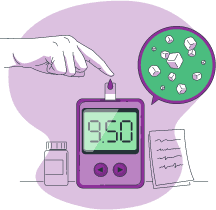
Diabetes is one of the most common and rapidly increasing chronic health conditions worldwide. Many people live with diabetes for years without knowing it, as early diabetes symptoms can be mild or easily overlooked. However, untreated diabetes can lead to serious complications affecting the heart, kidneys, eyes, nerves, and blood vessels.
Diabetes is a metabolic disorder characterized by persistently high blood sugar levels. It occurs when the body either does not produce enough insulin or cannot effectively use the insulin it produces. Insulin is a hormone that allows glucose (sugar) from the bloodstream to enter cells and be used for energy.
When insulin function is impaired, glucose accumulates in the blood, leading to hyperglycemia. Over time, high blood sugar damages organs and tissues, resulting in serious health complications.
Diabetes is a lifelong condition, but with early diagnosis and proper management, individuals can lead healthy and productive lives.
Diabetes has reached epidemic proportions globally. According to international health estimates, over 530 million adults worldwide live with diabetes, and this number continues to rise.
India is often referred to as the “diabetes capital of the world,” with more than 100 million people affected. Urbanization, sedentary lifestyles, dietary changes, obesity, and genetic predisposition have contributed to the growing burden of diabetes in India. Alarmingly, a large percentage of individuals remain undiagnosed, increasing the risk of complications.
Many people experience diabetes symptoms only after significant organ damage has already occurred. Regular screening through diabetes tests helps detect abnormal blood sugar levels early, allowing timely intervention and prevention of complications.
Early diagnosis through simple sugar tests can significantly reduce long-term health risks.
Clinically, diabetes is defined as a condition in which blood glucose levels remain elevated beyond normal limits due to defects in insulin secretion, insulin action, or both.
Diabetes is diagnosed using standardized blood sugar measurements obtained through laboratory testing.
Type 1 diabetes is an autoimmune condition in which the immune system destroys insulin-producing beta cells in the pancreas. As a result, the body produces little or no insulin.
Type 2 diabetes is the most common form of diabetes. It develops when the body becomes resistant to insulin or does not produce enough insulin.
Understanding the difference between type 1 & type 2 diabetes is essential for appropriate testing and management.
After eating, carbohydrates are broken down into glucose, which enters the bloodstream. Insulin released by the pancreas helps move glucose into cells for energy. When insulin is absent or ineffective, glucose remains in the blood, leading to high sugar levels and diabetes symptoms.
Type 1 diabetes is not related to lifestyle factors and cannot be prevented.
Type 2 diabetes develops gradually and is influenced by multiple factors:
These factors impair the body’s ability to regulate blood sugar effectively.
Diabetes symptoms can vary depending on how high blood sugar levels are and how long the condition has been present.
These symptoms are often subtle and ignored in the early stages.
Some individuals, especially with type 2 diabetes, may have no noticeable symptoms, making regular testing essential.
Diabetes testing should be considered if:
Routine sugar tests help detect diabetes early, even before symptoms appear.
Early detection of diabetes offers several benefits:
Regular diabetes tests play a key role in preventive healthcare.
Measures blood sugar after an overnight fast. It is one of the most widely used screening tests.
Measures blood sugar at any time of day, regardless of meals.
Reflects average blood sugar levels over the past 2–3 months. HbA1c is a critical test for diagnosing and monitoring diabetes.
Multiple tests may be required to confirm the diagnosis.
These help assess overall metabolic health and detect early complications.
While type 1 diabetes cannot be prevented, type 2 diabetes risk can be significantly reduced through lifestyle changes:
Early lifestyle intervention can delay or even prevent the onset of diabetes.
Diet modification, regular exercise, weight management, and stress reduction form the foundation of diabetes care.
Oral medications and insulin therapy may be required depending on the type and severity of diabetes.
Regular blood sugar monitoring and periodic HbA1c testing are essential for long-term control.
Lifestyle changes significantly enhance diabetes control and reduce complications.
Increased thirst, frequent urination, fatigue, and blurred vision are common early signs.
HbA1c provides a long-term view of blood sugar control and is widely used for diagnosis.
Adults over 35 or those with risk factors should test annually or as advised by a doctor.
Type 1 is autoimmune and requires insulin, while type 2 is linked to insulin resistance and lifestyle factors.
Type 2 diabetes can often be controlled or put into remission with early lifestyle intervention.