Liver Function Test: Booking, Price, and Results
About Liver Function Test: Booking, Price, and Results
| Field | Value |
|---|---|
| Also Known As | LFT, Liver Panel Test, Liver Profile Test, Hepatic Function Panel, Liver Blood Tests |
| Sample Type | Venous blood |
| Fasting Required | Generally not required; fasting for 10 to 12 hours may be needed if combined with other tests |
| Report Time | Within 24 hours |
| Recommended For | All genders and age groups; adults over 30 as part of routine health check-ups |
| Price | Starting at ₹308 |
What is a Liver Function Test?
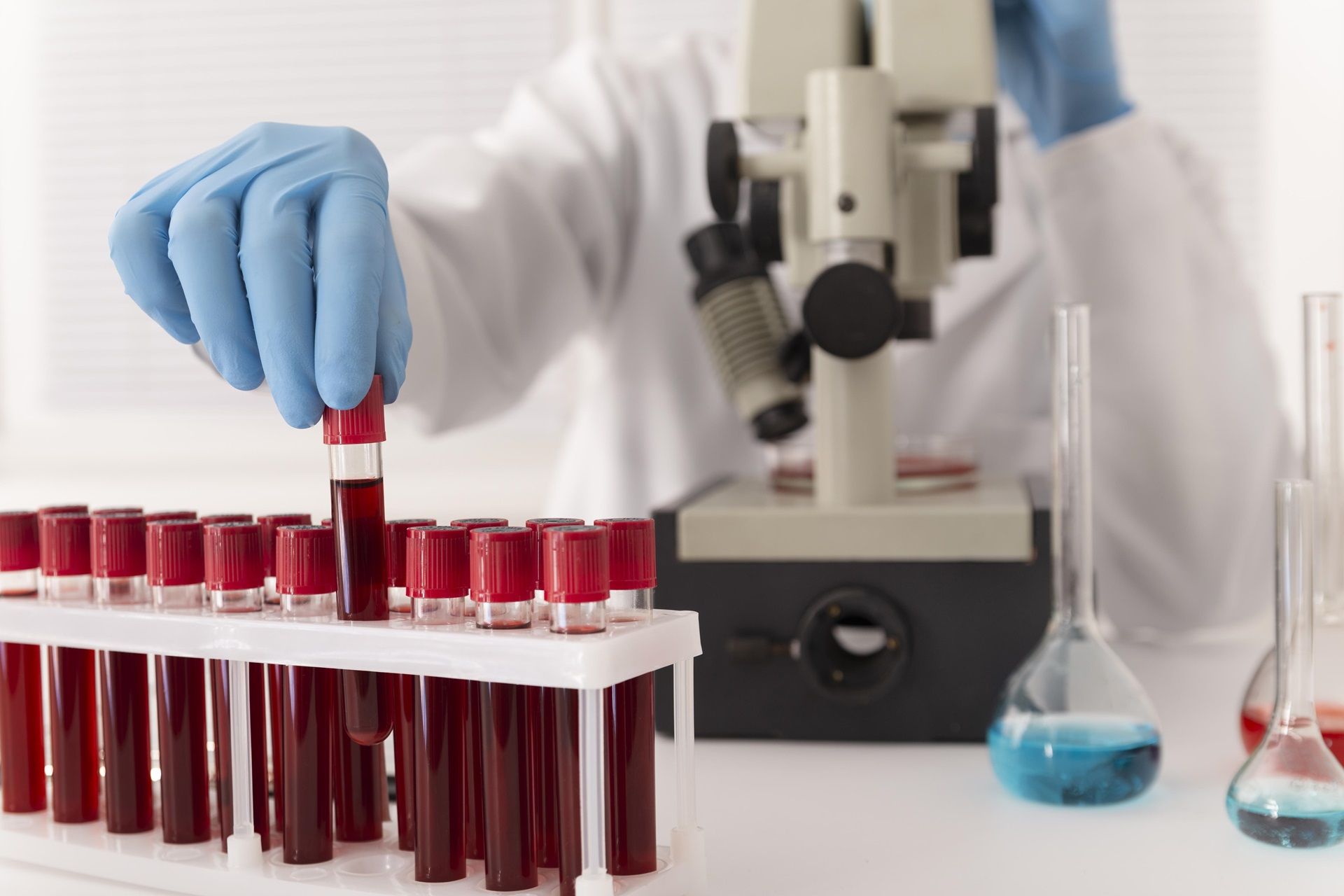
A liver function test is a blood test that measures enzymes, proteins, and other substances produced by the liver. Doctors use it to check how well the liver is working and to detect signs of liver damage or disease. Also called an LFT test, liver panel test, or liver profile test, it uses a small sample of blood drawn from a vein. It is one of the most commonly requested tests during routine health check-ups and follow-up care.
What Does a Liver Function Test Measure?
A liver function blood test checks several substances in the blood. Here is what each parameter tells us:
| Parameter | What It Measures |
|---|---|
| ALT (SGPT) | An enzyme found mainly in the liver; raised levels suggest liver cell damage |
| AST (AST/SGOT) | An enzyme found in the liver, heart, and muscles; raised levels may indicate injury to these tissues |
| ALP (Alkaline Phosphatase) | An enzyme in the liver and bones; high levels may point to a liver or bile duct problem |
| GGT (Gamma-Glutamyl Transferase) | A liver enzyme; raised levels may indicate liver or bile duct damage, often linked to alcohol use |
| Total Bilirubin | A yellow pigment from broken-down red blood cells; high levels suggest the liver is not clearing it properly |
| Direct Bilirubin | The portion of bilirubin already processed by the liver |
| Indirect Bilirubin | The portion of bilirubin not yet processed by the liver |
| Albumin | A protein made by the liver; low levels may indicate reduced liver function |
| Total Protein | All proteins in the blood, including albumin and globulins |
| Prothrombin Time (PT) | How long blood takes to clot; a sensitive marker of liver function, especially in acute liver failure |
Why is a Liver Function Test Done?
A liver profile test may be ordered for many reasons, from investigating symptoms to routine screening. Below are the most common situations where a doctor may request it.
Common Symptoms That May Require This Test
Several symptoms can prompt a doctor to request an LFT test. These include:
- Yellowing of the skin or eyes (jaundice)
- Persistent tiredness or fatigue
- Pain or swelling in the abdomen
- Dark-coloured urine
- Pale or clay-coloured stools
- Nausea or vomiting
- Unexplained weight loss
Conditions This Test Can Help Detect
The liver function blood test can help identify a range of conditions. These include:
- Hepatitis (liver inflammation caused by viral infection or alcohol use)
- Non-alcoholic fatty liver disease
- Alcoholic liver disease
- Bile duct blockages or damage
- Cirrhosis (scarring of the liver)
- Drug-induced liver injury from medications
- Metabolic conditions such as haemochromatosis (iron overload) and Wilson's disease (a copper metabolism disorder)
Liver Function Test for Chronic Disease Monitoring
Regular LFT testing plays an important role in monitoring known liver conditions. It helps doctors track how a disease is progressing and whether a treatment plan is working. For conditions such as primary biliary cholangitis (PBC) and primary sclerosing cholangitis (PSC), levels of ALP, GGT, and liver enzymes are watched closely over time. Depending on the condition, testing frequency may range from daily checks in acute cases to weekly or monthly monitoring in chronic ones.
How to Prepare and What to Expect
Preparing for a liver function test is straightforward. Here is everything you need to know before your appointment.
Do You Need to Fast?
No, fasting is not required for a standard LFT test. You can eat and drink as usual before the test. However, if your doctor has ordered additional tests alongside the LFT, you may be asked to fast for 10 to 12 hours beforehand. Check with your doctor or the collection centre if you are unsure.
Practical Tips Before Your Test
A few simple steps will help ensure accurate results. Keep the following in mind:
- Tell your doctor about all medications, supplements, and herbal products you are taking
- Avoid alcohol for at least 24 to 48 hours before the test
- Avoid vigorous exercise before sample collection, as it can temporarily raise AST and ALT levels
- Drink enough water to stay well hydrated
Step-by-Step Procedure
The blood collection process is quick and involves minimal discomfort. Here is what to expect:
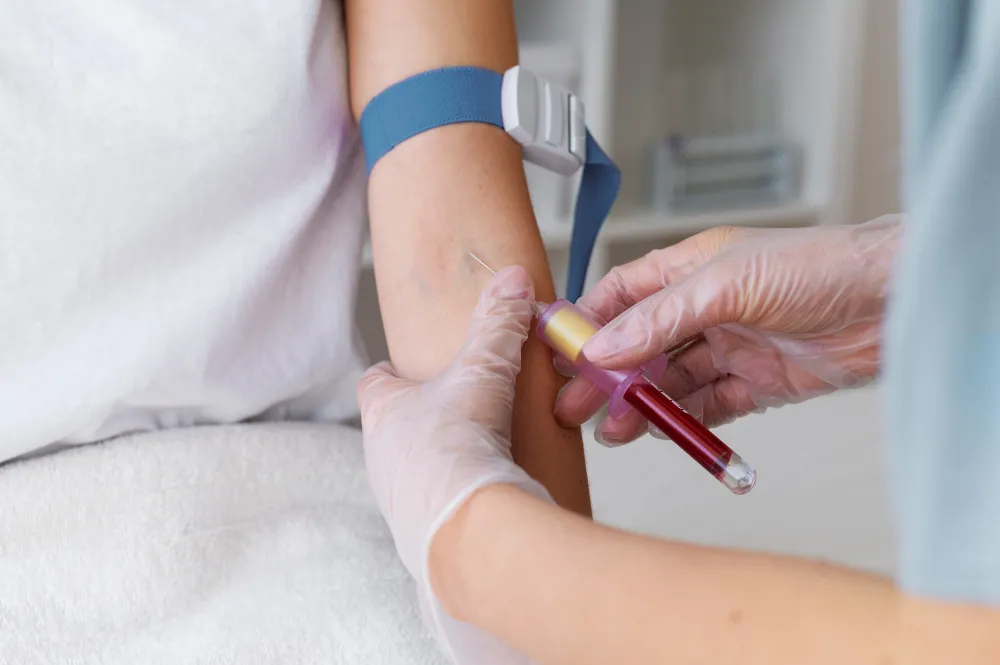
- A trained phlebotomist cleans the skin on your inner elbow or forearm with an antiseptic wipe.
- A soft elastic band is tied around your upper arm to make the vein easier to locate.
- A fine, sterile needle is inserted into the vein to draw a small amount of blood.
- The blood is collected into one or more labelled tubes.
- The needle is removed, and gentle pressure is applied to the site to stop any bleeding.
- A small bandage is placed on the puncture site, and the sample is sent to the laboratory for analysis.
Factors That Can Affect Accuracy
- Recent alcohol consumption
- Vigorous physical activity shortly before the test
- Medications such as NSAIDs, statins, antibiotics, and anti-tuberculosis drugs
- Herbal and dietary supplements
- Dehydration
- High body mass index (BMI), which can affect normal reference ranges
Understanding Your Liver Function Test Results
Your results will list each parameter alongside the laboratory's reference range. A doctor should always review these values together, not in isolation. The table below shows general normal ranges for adults.
| Parameter | Normal Range | Unit |
|---|---|---|
| ALT (SGPT) | 7 to 56 (Male); 7 to 45 (Female) | U/L |
| AST (SGOT) | 10 to 40 | U/L |
| ALP | 44 to 147 | U/L |
| GGT | 9 to 48 | U/L |
| Total Bilirubin | 0.1 to 1.2 | mg/dL |
| Direct Bilirubin | 0.0 to 0.3 | mg/dL |
| Albumin | 3.5 to 5.0 | g/dL |
| Total Protein | 6.0 to 8.3 | g/dL |
| Prothrombin Time (PT) | 9.5 to 13.8 | seconds |
These ranges are general guidelines. Your doctor will interpret your results based on your age, health history, and other factors. Always consult a qualified healthcare professional for personalised medical advice.
Results During Special Conditions
Some health conditions and life stages can naturally shift LFT test values. The following are worth noting:
- During pregnancy, ALT and GGT levels tend to run about 20% lower than standard reference ranges due to changes in blood composition, while ALP may be elevated because of placental contribution.
- In children and adolescents, ALP levels are normally higher due to active bone growth. ALP reference ranges also rise with age in females.
- Both an underactive thyroid (hypothyroidism) and an overactive thyroid (hyperthyroidism) can cause abnormal liver enzyme readings, affecting both hepatocellular and cholestatic markers.
How to Maintain Healthy Levels
General lifestyle habits can support liver health over time. Consider the following tips:
- Eat a balanced diet with plenty of fruits, vegetables, and whole grains, and limit processed foods and added sugars.
- Limit or avoid alcohol, as it is one of the most direct contributors to liver strain.
- Stay active with regular moderate exercise to support a healthy body weight.
- Avoid self-medicating, and always discuss any supplements with your doctor before starting them.
Lupin Diagnostics Liver Function Test Price and Home Collection
The LFT test price starts at approximately ₹308, with home collection available across cities. The table below shows approximate prices in key cities.
| City | Approximate Price (₹) |
|---|---|
| Delhi | ₹308 |
| Mumbai | ₹315 |
| Hyderabad | ₹340 |
| Ahmedabad | ₹331 |
| Pune | ₹379 |
| Chennai | ₹412 |
| Kolkata | ₹600 |
| Bangalore | ₹629 |
Prices are indicative and may vary by location. Please confirm the current price at the time of booking.
How to Book
- Select the test on the Lupin Diagnostics website.
- Choose your city and preferred time slot.
- Opt for home sample collection by a certified phlebotomist, or visit your nearest Lupin Diagnostics centre.
- Receive your report via email or WhatsApp within 24 hours.
Home Collection
Lupin Diagnostics offers home sample collection for the liver panel test across multiple cities in India. All samples are processed in NABL-accredited laboratories by trained professionals, ensuring accurate and reliable results. Digital reports are accessible via email or WhatsApp, so you can share them with your doctor easily.
Frequently Asked Questions
A liver function test is a blood test that checks for enzymes, proteins, and bilirubin produced by the liver. Doctors use it to detect liver damage, screen for liver disease, or monitor a known condition. It is also a common part of annual preventive health check-ups for adults over 30.
No, fasting is not required for a standard LFT test. You can eat and drink normally beforehand. If your doctor has requested additional tests at the same time, you may be asked to fast for 10 to 12 hours. Always follow your doctor's specific instructions.
SGOT is the older name for AST (Aspartate Aminotransferase), and SGPT is the older name for ALT (Alanine Aminotransferase). Both are enzymes released into the bloodstream when liver cells are damaged. The SGOT SGPT test results are commonly reviewed together to assess the nature and extent of liver involvement.
Yes, several commonly used medicines can influence LFT test results. These include NSAIDs (pain relievers), statins (cholesterol-lowering drugs), certain antibiotics, anti-seizure medications, and tuberculosis drugs. Always inform your doctor about everything you are taking before the test.
A raised bilirubin test result may indicate that the liver is not processing bilirubin efficiently. This can occur in conditions such as jaundice, hepatitis, cirrhosis, bile duct blockage, or haemolytic anaemia (a condition where red blood cells break down too quickly). Your doctor will review the full set of results to determine the cause.
Adults above the age of 30 are advised to get an LFT test as part of an annual preventive health check-up. Those already diagnosed with a liver condition may need more frequent testing. Your doctor will advise the right frequency based on your individual health status.
Yes, abnormal liver function test results do not always point to liver disease. Strenuous exercise, certain medications, bone conditions, heart failure, obesity, and diabetes can all cause some parameters to fall outside normal ranges. Your doctor will consider your full health picture before drawing any conclusions.
Liver Function Test: Booking, Price, and Results