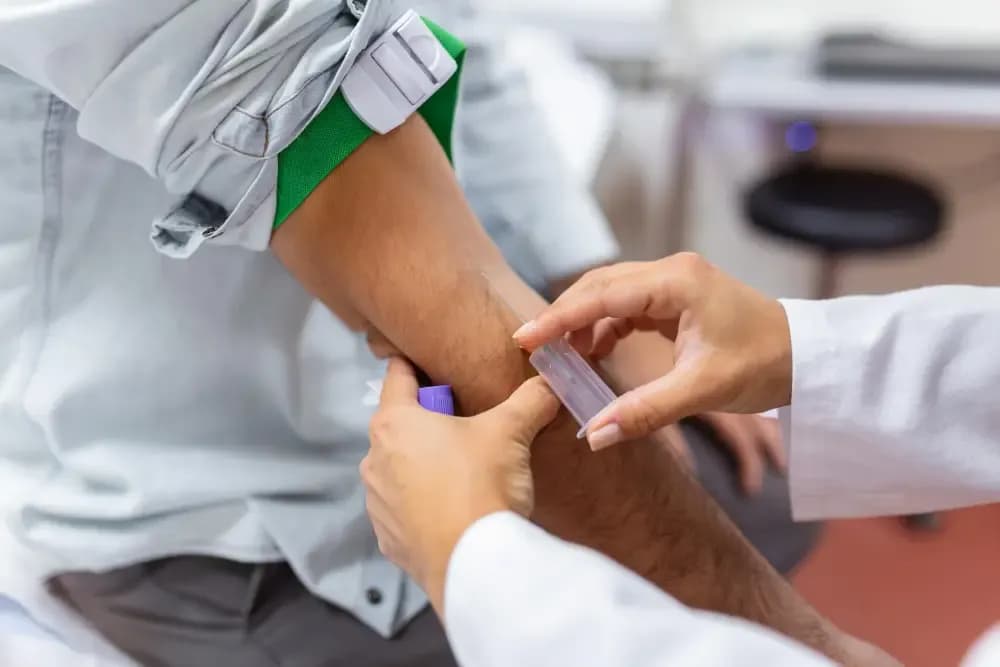
Book a Home Collection Now!
When Should You Take a Blood Test for Viral Fever?
August 14, 2026 - By Lupin Diagnostics
A fever that lingers for days can leave anyone anxious. Knowing when you should take a blood test for viral fever makes all the difference. Testing too early may give unclear results. Waiting too long could delay the right care. This article walks you through the ideal timing, the key tests, and the warning signs that call for urgent action.
Why Are Blood Tests Essential for Persistent Fevers?
Most fevers settle within a day or two with rest. When they do not, lab work becomes necessary. A blood test for viral fever helps your doctor rule out bacterial infections, vector-borne illnesses like dengue or malaria, and signs of widespread inflammation.
A complete blood count (CBC) with differential and platelet count is considered a critical routine test for evaluating unwell patients. Inflammatory markers such as CRP, ESR, and procalcitonin add another layer of clarity. Together, these tests help separate a routine viral illness from something that needs urgent attention.
When Should You Take a Blood Test for Viral Fever?
Timing matters more than most people realise. On day 1 or 2, your body is still mounting its immune response. Antibody levels and blood cell changes may not yet be visible in a report.
The sweet spot is usually day 3 onwards. IgM antibodies typically appear around days 3 to 5 after symptoms begin. Antigen-based tests like dengue NS1 can detect the virus in blood for four to five days after onset. On the other hand, many antibody-based tests may appear negative during the first 7 to 10 days.
So if your fever persists beyond 48 to 72 hours, that is a good time to get tested. Your doctor may still order a CBC earlier if symptoms are severe. Always follow your physician's advice on when to get tested.
Which Blood Tests Help Identify the Cause of Fever?
Several blood tests that help identify the cause of fever are commonly ordered together. Here is what each one tells your doctor.
1. Complete Blood Count (CBC) and TLC/DLC
A CBC measures your total white blood cell (WBC) count and breaks it into subtypes. The normal adult WBC range is roughly 4,000 to 11,000 cells per microlitre. In viral vs bacterial fever, the pattern of white cells matters.
Viral infections often show a rise in lymphocytes, a specific type of white blood cell. Bacterial infections, on the other hand, tend to push neutrophil counts higher. This distinction helps your doctor choose the right course of action.
2. Platelet Count Monitoring
A falling platelet count is a red flag during monsoon season. Viral infections often trigger increased platelet consumption. In dengue specifically, thrombocytopenia (low platelets) is a recognised warning sign and may progress to severe complications. Tracking platelet trends over consecutive days helps doctors gauge severity.
3. Inflammatory Markers: CRP and ESR
ESR and CRP levels tell your doctor how much inflammation your body is fighting. C-reactive protein (CRP) rises within 4 to 6 hours of infection and peaks by 36 to 50 hours. The numbers offer a useful clue: mild inflammation and viral infections usually push CRP to 10 to 40 mg/L, while bacterial infections can drive it to 40 to 200 mg/L.
4. Comprehensive Fever Panel Tests
A fever panel test bundles multiple screenings into one order. These multiplex panels can simultaneously check for dengue NS1 antigen, malaria parasites, typhoid markers, and influenza. For dengue and malaria screening, this approach saves time and helps your doctor act faster. Your healthcare provider will decide which panels are appropriate for your situation.
Also Read: Monsoon Fevers: Common Causes and Diagnostic Panels
What Blood Tests Should You Take During Fever?
Here is a quick-reference guide matching your symptoms to the right tests:
| Symptom Combination | Recommended Tests | Ideal Testing Day | What It Checks |
|---|---|---|---|
| Fever lasting 2+ days | CBC with differential | Day 2 to 3 | WBC pattern, platelet levels |
| Fever with body/joint pain | Dengue NS1 antigen, CBC | Day 1 to 5 | Early dengue detection |
| Fever with chills and sweating | Malaria smear, fever panel | Day 2+ | Malaria parasites |
| Fever with stomach issues | Widal/Typhidot, CBC | Day 5 to 7 | Typhoid markers |
| High fever with inflammation | CRP, ESR | Day 2 to 3 | Infection severity |
When Should You Seek Immediate Testing?
Certain red flags call for urgent medical attention. Visit your doctor or a diagnostic centre right away if you notice:
- Fever persisting beyond 3 days without improvement
- Temperature reaching 103°F (39.4°C) or higher
- Severe headache, stiff neck, or confusion
- Skin rash or unexplained bruising
- Difficulty breathing or persistent chest pain
- Extreme tiredness or inability to keep fluids down
These could signal a more serious infection that needs urgent evaluation. Please seek medical care promptly if any of these apply.
How to Prepare for a Fever Blood Draw
A little preparation ensures your results are accurate:
- Stay well hydrated. Drink water before the blood draw to make the process smoother.
- Fasting is usually not needed for a CBC or fever panel. However, if liver or kidney function tests are added, your doctor may ask you to fast for 8 to 12 hours.
- Inform the lab about any medicines you are taking. Antipyretic medicines like paracetamol may cause mild changes in certain blood parameters. Ibuprofen may have a slightly stronger effect.
- Mention any recent antibiotic use, as it can influence bacterial culture results.
Also Read: Dengue Fever: Causes, Stages, and Diagnostic Guide
Getting Tested at the Right Time Makes All the Difference
A well-timed blood test for viral fever gives your doctor the clearest picture. It helps avoid guesswork and reduces unnecessary antibiotic use. The ideal window is typically 48 to 72 hours after fever onset, when your body's immune markers become detectable. Pair that with the right combination of tests, and you are one step closer to a faster recovery.
If your fever has lasted more than two days, consider getting your blood work done. Lupin Diagnostics offers comprehensive fever panels at NABL-accredited labs and convenient home collection services across India.
Frequently Asked Questions
Can a blood test distinguish between a viral and bacterial fever on Day 1?
On Day 1, most antibody-based tests tend to appear negative because your immune response has not fully developed. A CBC may offer early clues through white cell patterns, but definitive distinction usually requires testing after 48 to 72 hours.
Why do doctors recommend waiting 48 to 72 hours before taking a fever blood test?
IgM antibodies, which help confirm an active infection, typically emerge around days 3 to 5 after symptom onset. Testing before this window often yields inconclusive results, which is why a short wait improves accuracy.
What is a normal white blood cell (WBC) count during a viral infection?
The normal adult WBC range is about 4,000 to 11,000 cells per microlitre. During a viral infection, the total count may stay normal or dip slightly, but you will often see a higher proportion of lymphocytes.
Does taking paracetamol or ibuprofen before a blood draw affect test results?
Antipyretic medicines can cause mild changes in certain blood parameters. Paracetamol tends to have milder effects than ibuprofen. It is best to let your doctor know what you have taken recently.
How long does it take to get results back for a standard complete fever panel?
Standard CBC and inflammatory marker results typically return within 24 to 48 hours. Specific antigen or antibody tests may take longer depending on the laboratory.
Can a viral fever cause a temporary drop in blood platelet counts?
Yes, viral infections can lead to increased platelet consumption and breakdown, causing a temporary drop. This is especially common in dengue, where low platelets are a recognised warning sign.
This article is for informational and educational purposes only. It does not substitute professional medical advice, diagnosis, or treatment. If you have concerns about a fever or any health condition, please consult a qualified healthcare provider for guidance tailored to your needs.
Featured Articles
Eating To Recover: The Best Foods For Getting Back On Your Feet After Cholera
Posted on: 22nd Jan 2026

What A Complete Blood Count (CBC) Tells You About Your Health
Posted on: 22nd Jan 2026

Constant Fatigue? Here’s What Your Blood Test Might Reveal
Posted on: 22nd Jan 2026