Dengue NS1 Antigen (NS1 Ag) Test: Booking, Price, and Results
About Dengue NS1 Antigen (NS1 Ag) Test: Booking, Price, and Results
| Field | Value |
|---|---|
| Also Known As | Dengue NS1 Antigen ELISA, Dengue Virus NS1 Antigen (DNSAG), Dengue Early Antigen Test, NS1 Ag Test, Dengue Non-Structural Protein 1 Test |
| Sample Type | Venous blood (serum preferred; whole blood or plasma may also be accepted) |
| Fasting Required | No fasting required |
| Report Time | Same day to 24 hours (rapid test: 15 to 30 minutes; ELISA: 24 to 48 hours) |
| Recommended For | All ages and genders, particularly those with acute fever within the first 7 days of illness in dengue-endemic areas |
| Price | Starting at ₹300 |
What Is a Dengue NS1 Antigen (NS1 Ag) Test?
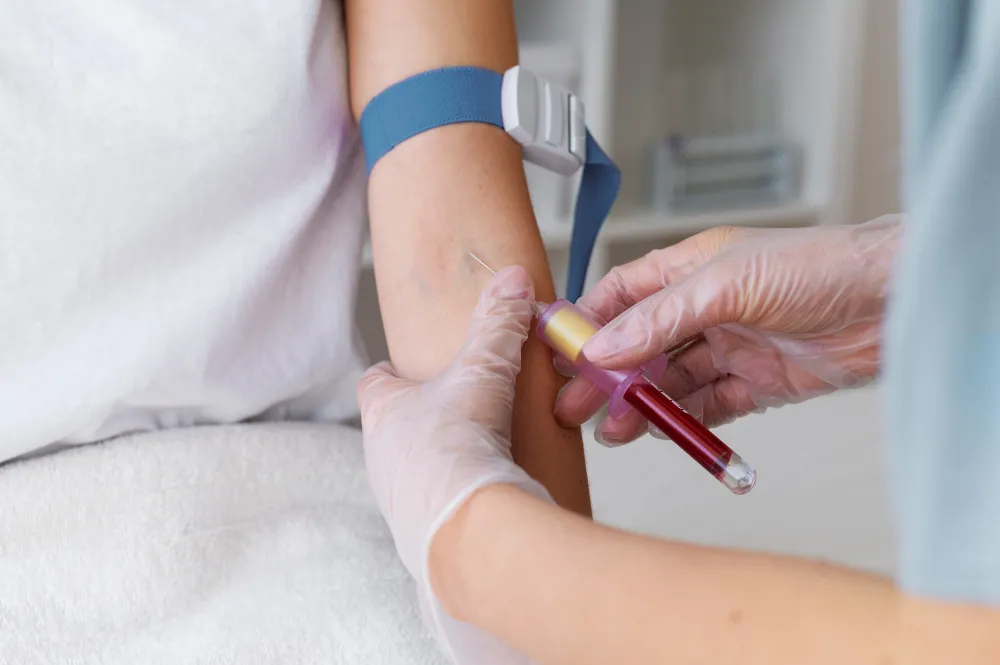
The dengue NS1 antigen test detects a specific protein produced by the dengue virus during active infection. It is one of the earliest and most reliable ways to confirm dengue in the first week of illness. A blood sample is drawn from a vein in the arm for this test. It is also referred to as the dengue NS1 antigen ELISA test, the dengue virus NS1 antigen (DNSAG) test, or the dengue early antigen test.
What Does a Dengue NS1 Antigen (NS1 Ag) Test Measure?
The DNSAG test looks for NS1 (Non-Structural Protein 1), a protein that the dengue virus releases into the bloodstream during active infection. Detecting this protein confirms that the virus is currently replicating in the body. The test uses specially labelled antibodies to identify this protein in the blood sample.
The table below summarises what the result indicates:
| Parameter | Result | Meaning |
|---|---|---|
| NS1 Antigen | Negative (Non-reactive) | No dengue virus NS1 protein detected at the time of testing |
| NS1 Antigen | Positive (Reactive) | Active dengue virus infection is present |
Why Is a Dengue NS1 Antigen (NS1 Ag) Test Done?
A doctor may order the dengue NS1 antigen ELISA test when a patient develops fever along with other symptoms that suggest dengue, particularly during or after travel to dengue-prone areas.
Common Symptoms That May Require This Test
The following symptoms are common reasons a doctor may recommend this test:
- High fever that appears suddenly
- Severe headache, often behind the eyes
- Muscle pain (myalgia) and joint pain (arthralgia)
- Skin rash
- Nausea or vomiting
- Low white blood cell count (leucopenia)
- Low platelet count (thrombocytopenia)
Conditions This Test Can Help Detect
The NS1 Ag test can help identify the following conditions:
- Acute dengue fever, including its febrile, critical, and recovery phases
- Dengue haemorrhagic fever and dengue shock syndrome, which can occur during repeat infection with a different dengue serotype
- Differentiation of dengue from other febrile illnesses, such as malaria, typhoid, and chikungunya
How to Prepare and What to Expect
No special preparation is needed before this test. The steps below will help you know what to expect on the day of sample collection.
Do You Need to Fast?
No. Fasting is not required for the dengue NS1 antigen test. You can eat and drink normally before your appointment.
Practical Tips Before Your Test
Keep the following points in mind before going for the test:
- Get tested as early as possible after fever onset. The test is most reliable within the first 1 to 7 days of symptoms.
- Drink enough water, especially if you have a fever, as good hydration makes blood collection easier.
- Tell your doctor about all medications you are currently taking.
- Share your travel history, particularly if you have visited areas where dengue is common.
- Note the exact date your symptoms started, as timing is important for accurate interpretation.
Step-by-Step Procedure
Here is what happens during sample collection:
- A trained phlebotomist (blood collection professional) confirms your details and prepares the collection area under sterile conditions.
- A flattened band (tourniquet) is wrapped around your upper arm to make the vein easier to locate.
- The skin over the vein is cleaned with an antiseptic solution.
- A sterile needle is used to draw a small amount of blood into a collection tube.
- The needle is removed, and gentle pressure is applied to the site to stop any minor bleeding.
- A small bandage is placed on the site, and the sample is labelled and sent to the laboratory for testing.
Factors That Can Affect Accuracy
Several factors may influence the reliability of the result:
- Timing of sample collection: the NS1 antigen may not be detectable if blood is drawn within the first 24 to 48 hours of infection, or after 9 to 10 days of symptoms
- Whether it is a first-time or repeat dengue infection: sensitivity is higher in first-time (primary) infections than in repeat (secondary) infections
- Dengue serotype involved
- Improper storage or handling of the sample before testing
Understanding Your Dengue NS1 Antigen (NS1 Ag) Test Results
Your result will be reported as either reactive (positive) or non-reactive (negative). Always review your results with your doctor, who will consider your symptoms, travel history, and other test results before drawing any conclusions.
| Parameter | Non-Reactive (Negative) | Reactive (Positive) |
|---|---|---|
| NS1 Antigen | No dengue NS1 protein detected in the sample | Dengue virus infection is present and active |
These ranges are general guidelines. Your doctor will interpret your results based on your age, health history, and other factors. Always consult a qualified healthcare professional for personalised medical advice.
Results During Special Conditions
Certain situations can affect how results are interpreted:
- In repeat (secondary) dengue infections, the NS1 antigen may be detectable only for 1 to 4 days after symptoms begin, compared with a longer window in first-time infections.
- False-positive results, though uncommon, may occur in people with active infection from related viruses such as West Nile virus or yellow fever virus.
- False-positive NS1 results have also been reported in patients with certain blood cancers (haematological malignancies).
How to Maintain Healthy Levels
The following general wellness steps can help reduce the risk of dengue infection:
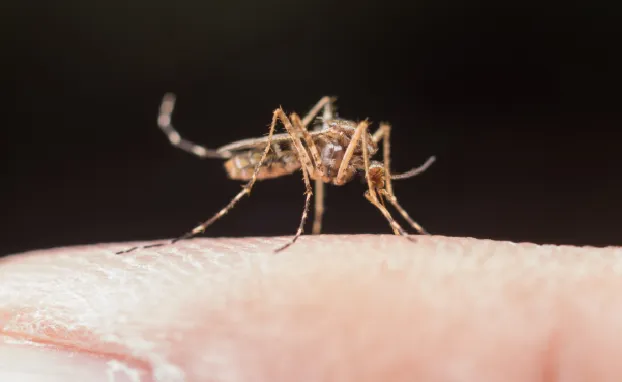
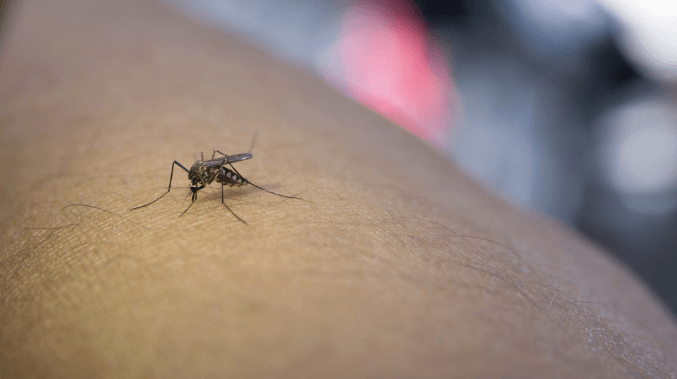
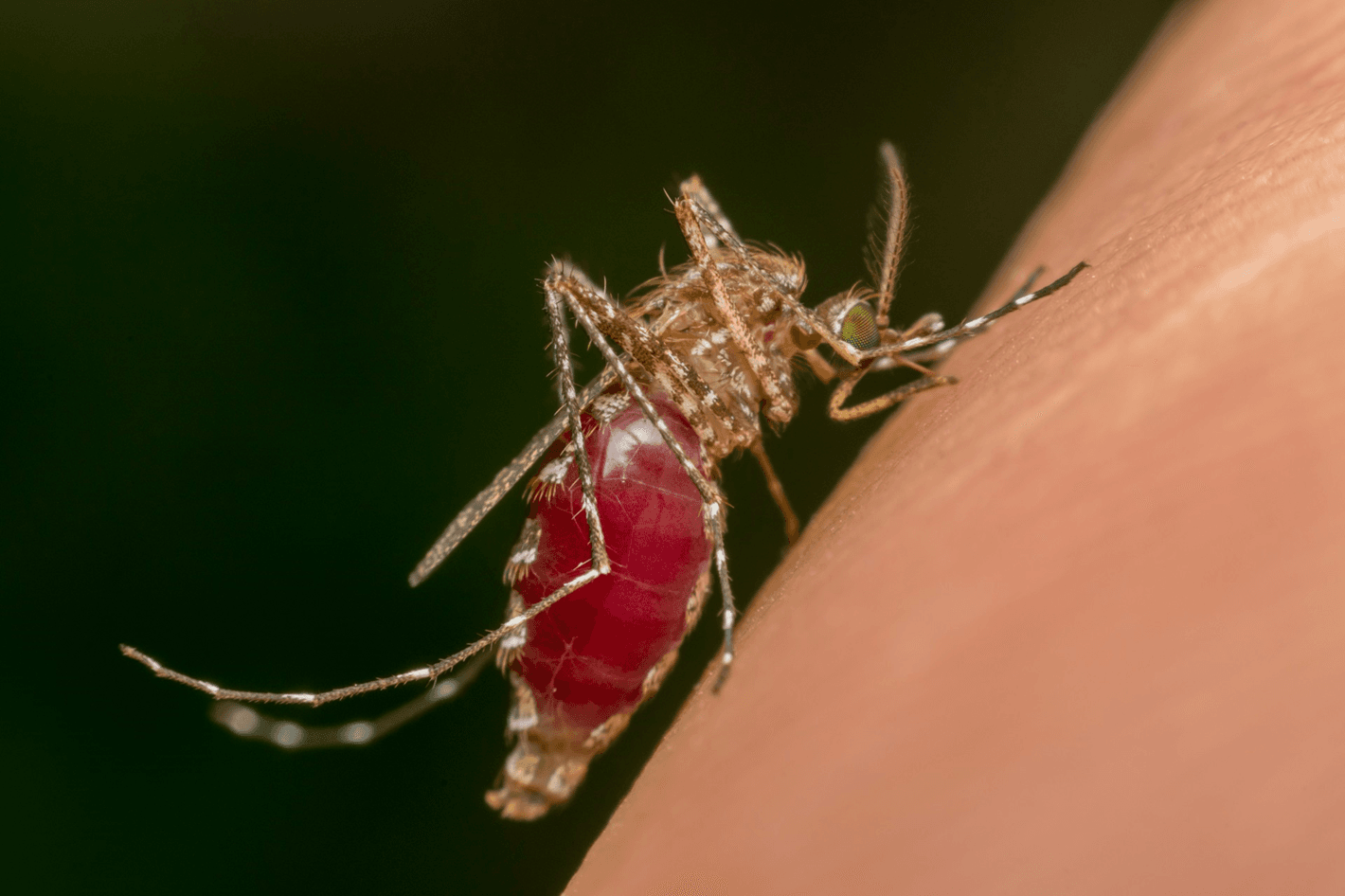
- Use mosquito repellents and wear long-sleeved clothing, especially during early morning and evening hours when mosquitoes are most active.
- Remove sources of standing water around your home, as these are common mosquito breeding sites.
- Seek medical attention promptly if you develop sudden fever with headache, joint pain, or rash during the dengue season.
Lupin Diagnostics Dengue NS1 Antigen (NS1 Ag) Test Price and Home Collection
The dengue NS1 antigen ELISA test at Lupin Diagnostics starts at ₹300, with home sample collection available across cities for your convenience.
| City | Approximate Price (₹) |
|---|---|
| Mumbai | ₹600 |
| Bengaluru | ₹300 |
| Chennai | ₹600 |
| Hyderabad | ₹600 |
| Kolkata | ₹950 |
| Pune | ₹600 |
| Ahmednagar | ₹600 |
Prices are indicative and may vary by location. Please confirm the current price at the time of booking.
How to Book
Follow these steps to book your test:
- Select the test on the Lupin Diagnostics website.
- Choose your city and preferred time slot.
- Opt for home sample collection by a certified phlebotomist, or visit your nearest Lupin Diagnostics centre.
- You will receive your report via email or WhatsApp within the stipulated turnaround time.
Home Collection
Lupin Diagnostics offers home sample collection for the dengue early antigen test across multiple cities in India, so you can get tested without stepping out when you are unwell. All samples are processed in NABL-accredited laboratories by experienced professionals. Your digital report is delivered securely via email or WhatsApp.
Frequently Asked Questions
The dengue NS1 antigen test is most accurate when done within the first 1 to 7 days of fever onset. Testing earlier in this window, ideally within the first five days, gives more reliable results. If you wait beyond 9 to 10 days after symptoms start, the NS1 protein may no longer be detectable.
No. A negative NS1 Ag test does not definitively rule out dengue. If your result is negative but symptoms persist, your doctor may recommend a dengue IgM antibody test to check for recent exposure. The two tests together improve diagnostic accuracy across the full course of illness.
The dengue virus NS1 antigen (DNSAG) test detects the virus protein directly and is most useful during the first 7 days of illness. IgM and IgG antibody tests detect the body's immune response, which usually develops 4 to 7 days after symptoms begin. Used together, these tests can help confirm a dengue diagnosis across a wider time window.
Yes, to some extent. In a first-time (primary) dengue infection, the NS1 test has a sensitivity of around 98.8%. In a repeat (secondary) infection, sensitivity drops to around 83.5%. If you have had dengue previously, your doctor may order additional tests alongside the DNSAG test.
A positive result confirms dengue infection but does not indicate how severe it will be. Severity is assessed by your doctor based on your symptoms, clinical signs, platelet count, and other blood tests. Prompt medical follow-up is important after a positive dengue NS1 antigen ELISA result.
No fasting is needed. You can eat and drink as normal before the test. The most important thing to bring is accurate information about when your symptoms started, as this helps your doctor interpret the result correctly.
The dengue early antigen test is available in two formats. A rapid test gives results in 15 to 30 minutes and is useful in urgent situations. The ELISA (Enzyme-Linked Immunosorbent Assay) format is more detailed and takes 24 to 48 hours, but is generally considered more accurate. Your doctor or laboratory will choose the appropriate format based on your situation.
Dengue NS1 Antigen (NS1 Ag) Test: Booking, Price, and Results