Book a Home Collection Now!
Viral Fever: Causes, Early Symptoms & Warning Signs
August 7, 2026 - By Lupin Diagnostics
Monsoon showers, crowded buses, sudden weather shifts: viral fever finds its way into Indian households almost every season. Most of us have dealt with it at least once, yet it still catches us off guard. This article breaks down what viral fever is, its causes, the symptoms to watch for, and when to seek medical help.
What Is Viral Fever and How Does It Work?
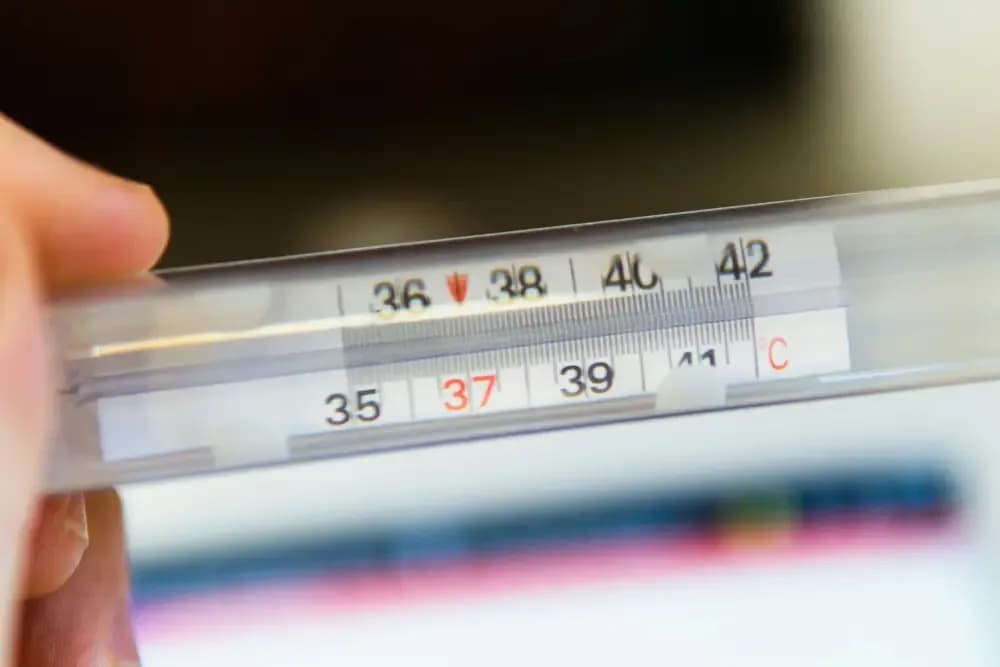
A viral fever is straightforward; your body raises its internal temperature to fight off a viral infection. A temperature of 38°C or above is generally considered a fever. This rise is not the illness itself; it is your immune system responding.
Think of fever as your body's built-in defence alarm. It makes the environment less conducive to virus multiplication. Most people recover on their own within a week. The fever usually runs its course without needing specific antiviral treatment.
Primary Viral Fever Causes & Modes of Transmission
Understanding the causes of viral fever helps you stay a step ahead. Viruses spread through several routes, and knowing them makes prevention easier.
Common modes of transmission include:
- Respiratory droplets: Sneezing, coughing, or even talking can release virus-laden droplets into the air around an infected person.
- Contaminated surfaces: Flu germs can survive on hands and surfaces for up to 24 hours. Touching these surfaces and then touching your face spreads infection.
- Contaminated food or water: Gastrointestinal viruses often enter through what we eat or drink.
- Insect bites: Mosquito-borne illnesses like dengue and chikungunya are common causes of viral fever in India, especially during the monsoons.
An infected person is most likely to spread the virus during the first five days after infection. Crowded spaces during peak season considerably increase the risk.
What Are the Early Viral Fever Symptoms to Recognise?
Spotting viral fever symptoms early helps you rest sooner and recover faster. The onset is usually sudden. Here are the signs to look out for:
- Fever with chills, sweating, or skin feeling warm and flushed
- Dry cough that can persist for two weeks or longer
- Headache and severe body aches in muscles and joints
- Sore throat and runny nose
- Extreme tiredness and general weakness
How Viral Fever Manifests by Body System
Different viruses target different systems. This table groups viral fever signs by the system affected:
| System Affected | Common Symptoms |
|---|---|
| Respiratory | Persistent cough, nasal congestion, shortness of breath, sore throat |
| Gastrointestinal | Nausea, vomiting, diarrhoea, loss of appetite |
| Skin (Exanthematous) | Skin rashes, flushing, redness |
Some infections like COVID-19 may also cause a change in sense of taste or smell along with the above symptoms.
Also Read: Fever Panels: Identifying the Root Cause of Infection
Viral Fever vs. Bacterial Fever: How Are They Different?
Many people wonder whether their fever is viral or bacterial. The distinction matters because viral fever treatments differ from bacterial ones. Here is a quick comparison:
| Feature | Viral Fever | Bacterial Fever |
|---|---|---|
| Onset | Usually sudden | Can be gradual or sudden |
| Symptoms | Generalised; body aches, runny nose, cough | Often localised; ear pain, urinary symptoms |
| Duration | Typically resolves within a week | May worsen without antibiotics |
| WBC count in blood test | Often decreased (leukopenia) | Often increased (leukocytosis) |
| Antibiotics effective? | Not at all | Yes, when prescribed appropriately |
Antibiotics do not work against viral infections. Your doctor will not prescribe them for the flu because they will neither relieve symptoms nor speed recovery. Please consult your doctor for a proper diagnosis before taking any medication.
How Is Viral Fever Treated and Managed at Home?
Since most viral fevers resolve on their own, treatment focuses on easing discomfort. Here are the key viral fever treatments:
- Stay hydrated: Drink plenty of water, nimbu paani, or ORS. Your urine should remain light yellow or clear.
- Take paracetamol: This helps bring down fever and relieve body aches. Speak with your doctor about the right dosage for you.
- Rest completely: Your body needs energy to fight the virus. Avoid work or strenuous activity.
- Eat light: Stick to easy-to-digest foods like khichdi, moong dal soup, or warm broth.
- Lukewarm sponging: This can help manage fever. Avoid cold water baths as they may cause shivering.
- Herbal teas: A warm cup with ginger and haldi can soothe the throat.
When Should You See a Doctor Immediately?
Watch for these red flags that need urgent medical attention:
- Fever lasting more than three to five days without improving
- Difficulty breathing or shortness of breath
- Pain or pressure in the chest or abdomen
- Severe or persistent vomiting leading to dehydration
- Sudden dizziness or confusion
- Stiff neck combined with fever and severe headache: This combination could signal meningitis and requires emergency care
If you or a family member shows any of these signs, seek medical help without delay.
Prevention Tips for Seasonal Viral Illness
A few simple habits can lower your chances of catching a viral fever:
- Wash hands frequently with soap. Hand hygiene is one of the most effective ways to prevent spread
- Avoid touching your face after contact with shared surfaces
- Stay away from crowded, poorly ventilated spaces during outbreaks
- Use mosquito repellent and nets, especially during monsoon season
- Stay current with annual flu vaccinations where recommended by your doctor
- Keep infection control measures as part of your daily routine
Also Read: Fever Home Care Guide: Practical Tips for Families
Conclusion
Viral fever is common, but it rarely warrants fear. Most episodes settle within a week with proper rest, hydration, and paracetamol for comfort. The key is recognising warning signs like persistent fever, breathing trouble, confusion, or a stiff neck and acting on them quickly. Understanding viral fever symptoms and causes puts you in control of your recovery.
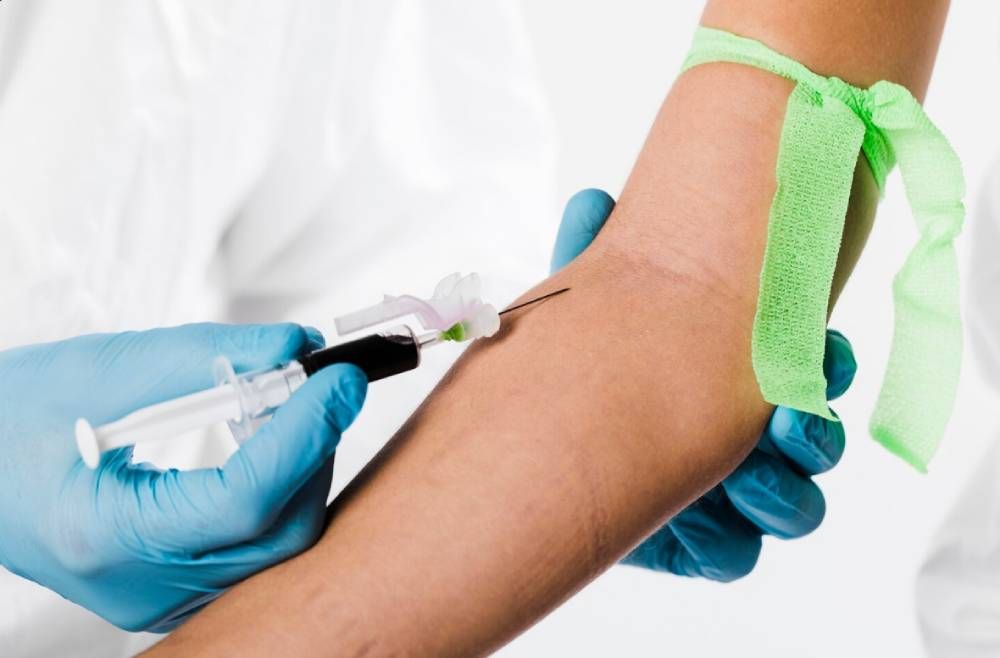
If you want clarity on whether your fever is viral or bacterial, a simple blood test can help. Lupin Diagnostics offers Complete Blood Count and other diagnostic tests at NABL-accredited labs and collection centres across India, with home collection available for your convenience.
Frequently Asked Questions
How many days does a typical viral fever last in adults?
Most adults recover from viral fever within a week without needing specific medical treatment. However, the cough may linger for two weeks or more in some cases.
Can a viral fever turn into a bacterial infection if left untreated?
Yes, viral respiratory infections can sometimes be followed by secondary bacterial infections, leading to further complications. Monitoring your symptoms and consulting a doctor if they worsen is important.
Is it safe to bathe or take a shower during a viral fever?
Lukewarm baths or sponging are generally fine and may help manage body temperature. Avoid cold water baths as they can trigger shivering.
How long does viral fever last?
Most viral fevers resolve within a week. If fever persists beyond 5 days, consult your doctor for an evaluation.
How to cure viral fever fast?
There is no instant cure. Drinking plenty of fluids, resting, and taking paracetamol for discomfort are the most effective steps for a quicker recovery.
How to confirm viral fever?
A Complete Blood Count (CBC) can help. In viral infections, the white blood cell count typically decreases, whereas bacterial infections can increase your white blood cell count. Your doctor may also recommend specific viral screening tests.
How does viral fever feel?
It usually starts suddenly with fever, dry cough, headache, muscle and joint pain, sore throat, and a runny nose. Extreme tiredness and overall weakness are also common.
This article is for informational purposes only and does not replace professional medical advice, diagnosis, or treatment. Always consult a qualified healthcare provider for any medical concerns or before making changes to your health routine.
Featured Articles

Sleep Deprivation Effects How Poor Sleep Impacts Your Heart And Kidney Health
Posted on: 22nd Jan 2026

What A Complete Blood Count (CBC) Tells You About Your Health
Posted on: 22nd Jan 2026

Screen Time Fatigue And Vitamin D Deficiency The Hidden Connection You Shouldn T Ignore
Posted on: 22nd Jan 2026