Fever Check Panel Test: Booking, Price, and Results
About Fever Check Panel Test: Booking, Price, and Results
| Field | Value |
|---|---|
| Also Known As | Fever Profile Test, Fever Workup, Fever Panel, Pyrexia of Unknown Origin (PUO) Panel |
| Sample Type | Whole blood and urine |
| Fasting Required | No fasting required |
| Report Time | Same day |
| Recommended For | All ages and genders; especially during monsoon season or with unexplained persistent fever |
| Price | Starting at ₹1,750 |
What Is a Fever Check Panel Test?
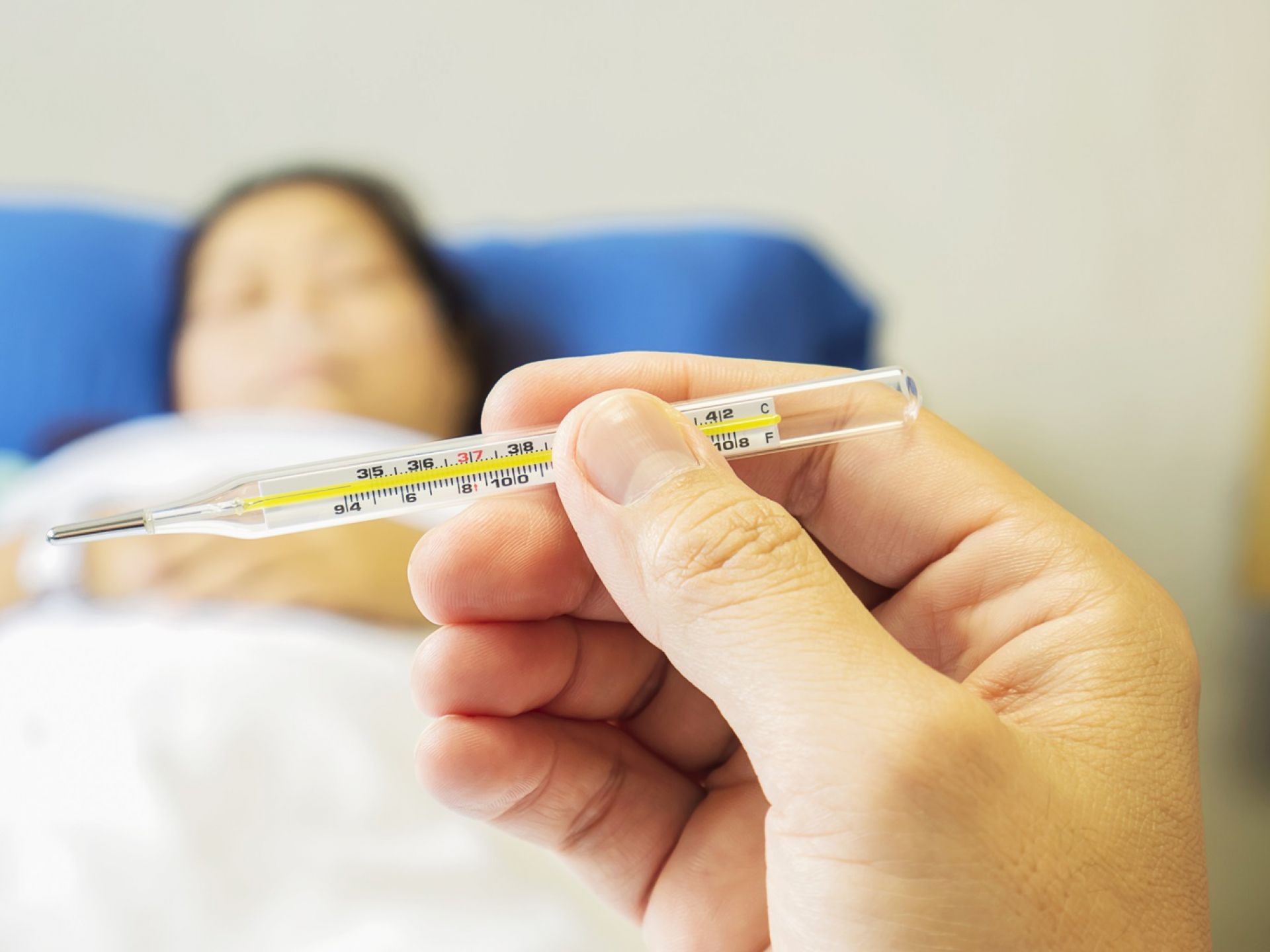
The fever check panel test is a group of blood and urine tests ordered together to identify the likely cause of a fever. It checks for infections caused by bacteria, viruses, and parasites, giving doctors a clearer picture quickly. Also referred to as a fever profile test or fever workup, this panel is commonly prescribed when a fever does not resolve within a few days or is accompanied by symptoms such as chills, body aches, or fatigue. This panel uses a whole blood sample and a urine sample collected at the same time.
What Does a Fever Check Panel Test Measure?
This panel brings together 12 individual tests, each targeting a different aspect of infection or inflammation. Here is a brief overview of each component:
| Test | What It Checks |
|---|---|
| Complete Blood Count (CBC) | Counts red blood cells, white blood cells, haemoglobin, and platelets to assess overall blood health |
| Erythrocyte Sedimentation Rate (ESR) | Measures how quickly red blood cells settle, indicating the presence of inflammation |
| C-Reactive Protein (CRP), Quantitative | Detects a protein released by the liver in response to inflammation or infection |
| Widal Test (Slide Agglutination) | Identifies antibodies against the bacteria that cause typhoid fever |
| Malaria Antigen Test | Detects specific proteins produced by malaria parasites in the blood |
| Dengue NS1 Antigen (Rapid) | Identifies the dengue virus antigen during the early stage of infection |
| Dengue IgG and IgM (Rapid) | Detects antibodies showing a current or recent dengue infection |
| Typhidot IgM | Detects IgM antibodies specific to typhoid, helping confirm an active infection |
| Alanine Amino-transferase (ALT) SGPT | Measures alanine aminotransferase, an enzyme that rises when the liver is under stress |
| Aspartate Aminotransferase (AST) SGOT | Measures aspartate aminotransferase, another enzyme linked to liver and tissue health |
| Bilirubin (Total, Direct and Indirect) | Assesses liver function and checks for bile processing problems |
| Complete Urine Examination | Screens urine for signs of urinary tract infection, bacteria, and other abnormalities |
Why Is a Fever Check Panel Test Done?
A doctor may order a fever panel test when a patient has a fever that has not resolved in a few days or when the cause is unclear.
Common Symptoms That May Require This Test
The following symptoms are the most common reasons a doctor recommends this test:
- Persistent or high-grade fever lasting more than two to three days
- Chills and shivering
- Severe headache
- Body aches and muscle pain
- Fatigue and weakness
- Nausea or vomiting
- Loss of appetite
Conditions This Test Can Help Detect
This panel can help identify a range of infections and conditions, including:
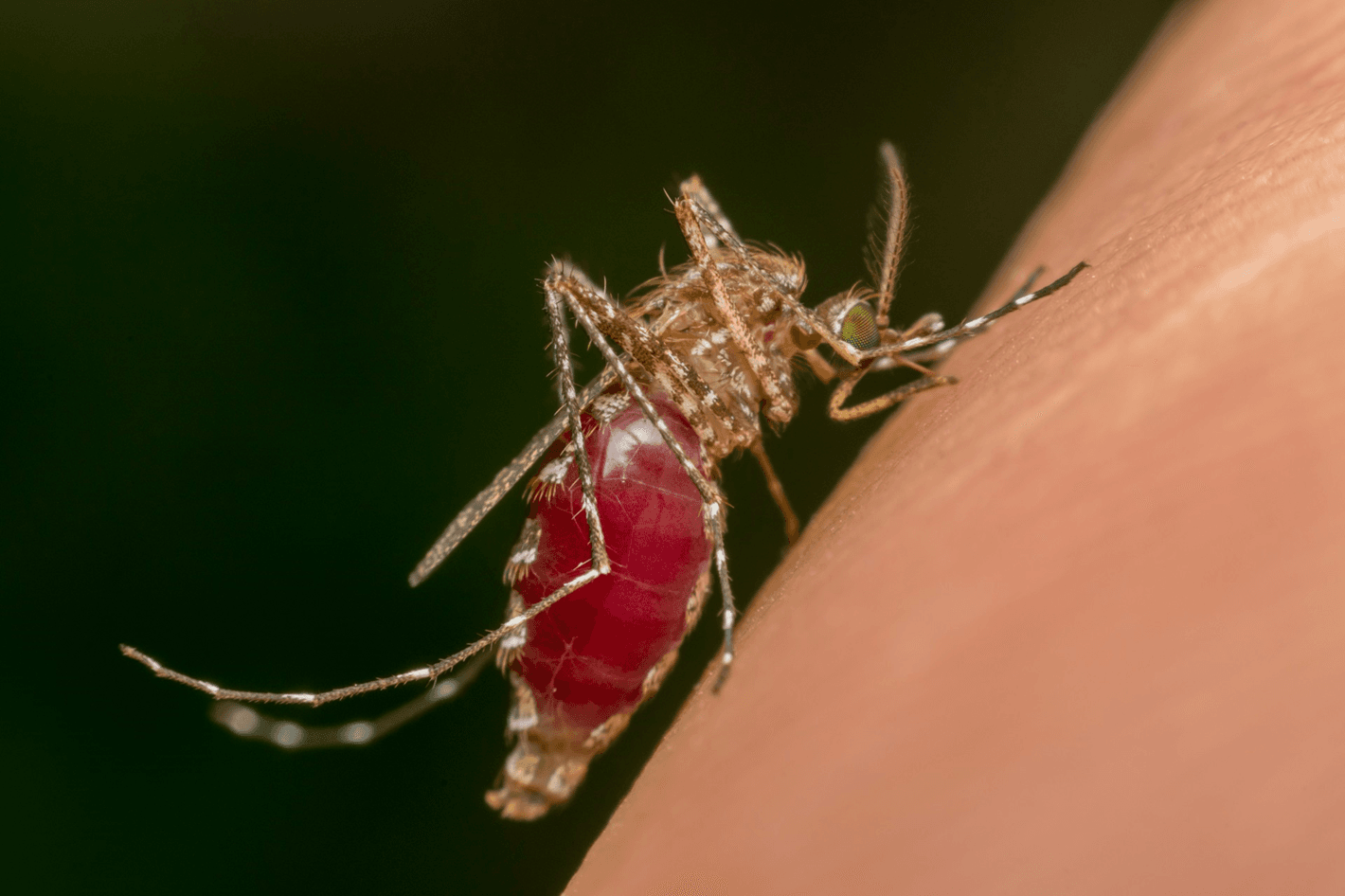
- Malaria (mosquito-borne parasitic infection)
- Dengue fever (mosquito-borne viral infection)
- Typhoid fever (bacterial infection caused by Salmonella)
- Urinary tract infections (UTIs)
- Viral fever or influenza
- Bacterial infections
- Liver infections such as viral hepatitis
- Autoimmune or inflammatory conditions
How to Prepare and What to Expect
The fever check panel test procedure is straightforward and requires minimal preparation.
Do You Need to Fast?
No, fasting is not required for this test. You may eat and drink normally before sample collection. If your doctor has added other tests that require fasting, such as a blood glucose test, follow their specific instructions.
Practical Tips Before Your Test
A little preparation helps the process go smoothly:
- Bring a detailed clinical history, including your symptoms, duration of fever, previous test results, and any relevant medical records, as this is required for the test
- Inform your doctor about any medications, supplements, or herbal remedies you are currently taking
- Drink water before the test to stay hydrated; this helps with blood collection
- Wear a loose-fitting top or short sleeves for easy access to your arm
Step-by-Step Procedure
Here is what happens during a typical sample collection for this fever check panel test:
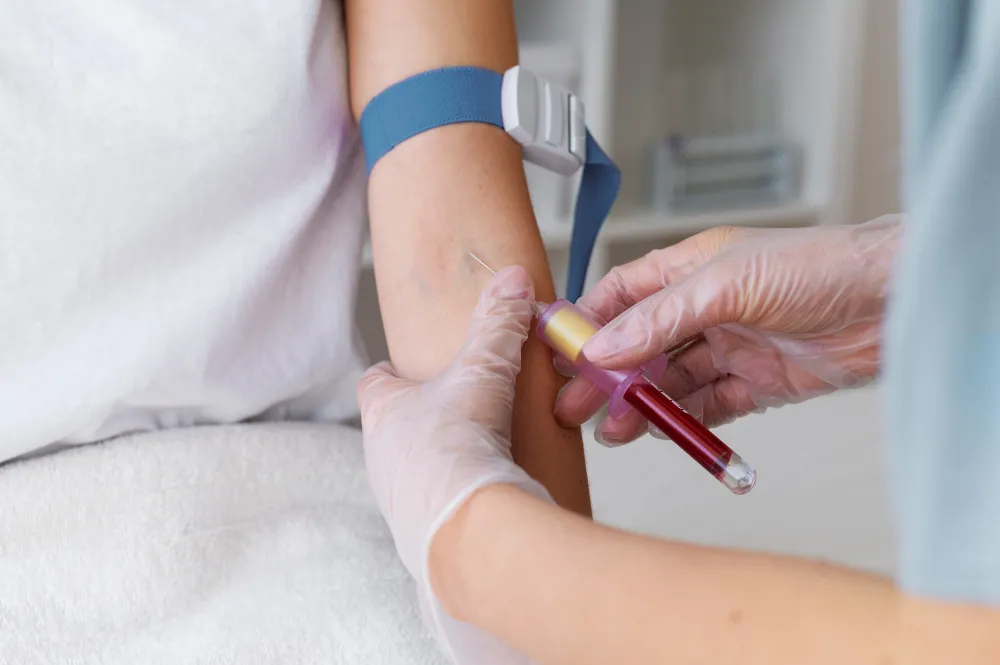
- A trained phlebotomist arrives at your home (or you visit a collection centre) at the scheduled time.
- Your arm is cleaned with an antiseptic solution to reduce the risk of contamination.
- A light band is placed around your upper arm to make the vein easier to locate, and a small blood sample is drawn using a sterile needle.
- You are also asked to provide a fresh urine sample in a sterile container for the urine examination.
- Both samples are labelled carefully and sealed for transport.
- The samples are dispatched to a Lupin Diagnostics laboratory for analysis, and your report is prepared the same day.
Factors That Can Affect Accuracy
Certain factors can influence your test results:
- Recent medications, including antibiotics or anti-malarials
- Timing of sample collection relative to fever onset (some markers peak at specific stages)
- Prior typhoid vaccination or past Salmonella infection (may affect Widal test readings)
- Dehydration at the time of sample collection
- Recent malaria treatment (some antigen tests may remain positive for up to two weeks after treatment)
- Poor sample handling or delays in transport
Understanding Your Fever Check Panel Test Results
Your results should always be reviewed alongside your symptoms and medical history. The table below provides general reference ranges:
Complete Blood Count (CBC)
| Parameter | Normal Blood Counts |
|---|---|
| RBC count (Male) | 4.7 to 6.1 million cells/mcL |
| RBC count (Female) | 4.2 to 5.4 million cells/mcL |
| WBC count | 4,500 to 10,000 cells/mcL |
| Haematocrit (Male) | 40.7% to 50.3% |
| Haematocrit (Female) | 36.1% to 44.3% |
| Haemoglobin (Male) | 13.8 to 17.2 gm/dL |
| Haemoglobin (Female) | 12.1 to 15.1 gm/dL |
| MCV | 80 to 95 femtolitres |
| MCH | 27 to 31 pg/cell |
| MCHC | 32 to 36 gm/dL |
| Platelet count | 150,000 to 450,000/dL |
Erythrocyte Sedimentation Rate (ESR)
| Group | Normal Range (mm/hr) |
|---|---|
| Men under 50 years | 0 to 15 |
| Men over 50 years | 0 to 20 |
| Women under 50 years | 0 to 20 |
| Women over 50 years | 0 to 30 |
| Children (newborn to puberty) | 3 to 13 (up to 20 in some laboratories) |
C-Reactive Protein (CRP), Quantitative
| Level | Range | What It May Suggest |
|---|---|---|
| Normal | Less than 10 mg/L (or less than 0.9 mg/dL) | No significant inflammation detected |
| Minor elevation | 0.3 to 1.0 mg/dL | Mild inflammation; possible lifestyle or low-grade causes |
| Moderate elevation | 1.0 to 10.0 mg/dL | Active inflammation or infection likely |
| Marked elevation | Above 10.0 mg/dL | Significant inflammation; further tests required |
| Severe elevation | Above 50 mg/L | Strongly associated with acute bacterial infection |
Widal Test (Slide Agglutination)
| Antibody Titer | Interpretation |
|---|---|
| Less than 1:80 | No significant antibody levels; typhoid unlikely. |
| 1:80 to 1:160 | Possible typhoid infection; clinical correlation needed. |
| Greater than 1:160 | Suggestive of active typhoid fever; further confirmation required. |
Malaria Antigen Test
| Parameter | Normal Result | What a Positive May Indicate |
|---|---|---|
| Malaria Antigen (P. falciparum) | Not Detected | Active P. falciparum infection |
| Malaria Antigen (P. vivax) | Not Detected | Active P. vivax infection |
| Pan-Malarial Antigen | Not Detected | Infection by any Plasmodium species |
Dengue NS1 Antigen (Rapid)
| Test Result | Interpretation |
|---|---|
| Negative Result | Absence of the NS1 antigen in the blood; symptoms are unlikely due to dengue fever. |
| Positive Result | Presence of the NS1 antigen in the blood; symptoms are likely due to dengue fever. |
Dengue IgG and IgM (Rapid)
| Test | Result | Interpretation |
|---|---|---|
| Dengue IgM (Rapid) | Negative | No recent dengue infection detected. |
| Dengue IgM (Rapid) | Positive | Suggestive of recent or current dengue infection. |
| Dengue IgG (Rapid) | Negative | No past exposure or immunity to dengue detected. |
| Dengue IgG (Rapid) | Positive | Suggestive of past dengue infection or secondary dengue infection. |
Typhidot IgM
| Test Result | Interpretation |
|---|---|
| Positive | Presence of IgM antibodies in the blood, suggesting a recent or active infection by Salmonella typhi. |
| Negative | Absence of IgM antibodies in the blood, suggesting no infection by Salmonella typhi. |
Alanine Amino-transferase (ALT)/SGPT
| Parameter | Normal Liver Function Test Values |
|---|---|
| ALT (SGPT), Serum | 7-56 U/L |
Aspartate Aminotransferase (AST)/SGOT
| Test | Normal Range |
|---|---|
| AST (SGOT), Serum | 8–48 U/L |
Bilirubin (Total, Direct and Indirect)
| Bilirubin Type | Normal Range |
|---|---|
| Total Bilirubin | 0.1 – 1.2 mg/dL |
| Direct Bilirubin | 0.0 – 0.3 mg/dL |
| Indirect Bilirubin | 0.2 – 0.8 mg/dL |
Complete Urine Examination
| Parameter | Normal Result |
|---|---|
| Colour | Pale yellow to amber |
| Appearance (Clarity) | Clear |
| pH | 4.5 – 8.0 |
| Specific Gravity | 1.005 – 1.030 |
| Protein | Negative |
| Glucose | Negative |
| Ketones | Negative |
| Bilirubin | Negative |
| Urobilinogen | 0.2 – 1.0 EU/dL |
| Blood (RBC) | Negative |
| Leukocyte Esterase | Negative |
| Nitrites | Negative |
| Microscopy – RBC | 0–2 / HPF |
| Microscopy – WBC | 0–5 / HPF |
| Epithelial Cells | Few |
| Casts | None |
| Crystals | None or few |
| Bacteria | None |
| Yeast | None |
These ranges are general guidelines. Your doctor will interpret your results based on your age, health history, and other factors. Always consult a qualified healthcare professional for personalised medical advice.
Results During Special Conditions
Some pre-existing conditions or prior health events can affect how individual results are read:
- A prior typhoid vaccination or past Salmonella infection may cause a raised Widal titre even when there is no active infection. Your doctor will weigh this against your clinical symptoms.
- For malaria antigen tests, certain antigens can remain detectable in the blood for a period after treatment has begun, so a positive result alone does not always confirm active infection.
- ESR can also be elevated in pregnancy, anaemia, and certain autoimmune conditions, not just infections.
How to Maintain Healthy Levels
These general tips support good health, particularly during monsoon season:
- Practise regular hand hygiene and avoid consuming food from unhygienic sources
- Use mosquito repellents and nets to reduce the risk of malaria and dengue
- Stay up to date with vaccinations recommended by your doctor, including those for typhoid and influenza
Lupin Diagnostics Fever Check Panel Test Price and Home Collection
The fever check panel test cost at Lupin Diagnostics starts at ₹1,750, and home sample collection is available at your convenience.
| City | Approximate Price (₹) |
|---|---|
| BHOPAL | 1350 |
| CHENNAI | 1550 |
| HYDERABAD | 1550 |
| NAVI MUMBAI | 1750 |
| PUNE | 1750 |
Prices are indicative and may vary by location. Please confirm the current price at the time of booking.
How to Book
The fever check panel test online booking process is quick and simple:
- Select the Fever Check Panel Test on the Lupin Diagnostics website.
- Choose your city and preferred time slot.
- Opt for home sample collection by a certified phlebotomist, or visit your nearest Lupin Diagnostics centre.
- Receive your report via email or WhatsApp on the same day.
Home Collection
Lupin Diagnostics offers fever check panel test home collection across cities, so you do not need to travel to a lab when you are unwell. All samples are processed in NABL-accredited laboratories by trained technologists. Digital reports are delivered directly to you via email or WhatsApp once ready.
Frequently Asked Questions
The fever check panel test is a group of 12 blood and urine tests done together to identify what is causing a fever. It screens for common infections, including malaria, dengue, and typhoid, as well as signs of liver involvement and general inflammation. It helps doctors narrow down a diagnosis quickly.
If your fever has not resolved after two to three days, or if you have symptoms like chills, severe headache, body aches, or fatigue, your doctor may recommend this panel. It is particularly useful during monsoon season when mosquito-borne infections are more prevalent.
No fasting is required. You can eat and drink normally before the test. If your doctor has added tests that require fasting, they will let you know separately.
Reports for the fever check panel test are typically available on the same day as sample collection, making it easier for your doctor to begin treatment promptly.
Yes. The panel includes the Dengue NS1 Antigen Rapid test, which can detect the virus in the early days of infection, along with dengue IgM and IgG antibody tests that indicate a current or recent infection.
A Widal test is considered positive when the O antigen titre is 1:160 or higher and the H antigen titre is 1:160 or higher, which may suggest a current or recent typhoid infection. However, previous typhoid vaccination or past infections can also raise these levels, so your doctor will interpret the result alongside your symptoms.
Yes, fever check panel test home collection is available. A trained phlebotomist will visit your home to collect your blood and urine samples. Your results are processed in an NABL-accredited laboratory and delivered digitally on the same day.
Fever Check Panel Test: Booking, Price, and Results