Book a Home Collection Now!
High Cholesterol: Symptoms, Causes, Diagnosis, & Prevention
November 11, 2026 - By Lupin Diagnostics
You might feel perfectly fine, yet high cholesterol symptoms rarely announce themselves. That is what makes this condition so tricky. Cholesterol can build up silently in your arteries for years before causing any trouble. In this article, you will learn why hyperlipidaemia (abnormal blood fat levels) stays hidden, what physical signs may appear in severe cases, and how the right blood tests and lifestyle habits can protect your heart.
Are There Any Early High Cholesterol Symptoms?
In most cases, there are no hyperlipidaemia symptoms. High cholesterol produces no pain, no fatigue, and no obvious warning signs in its early stages. That is exactly why it is sometimes called a "silent killer." Your blood fat levels could be dangerously high right now, and you would feel completely normal.
Relying on how you feel is risky. The only reliable way to know your cholesterol numbers is through a blood test called a lipid profile test. Without routine screening, many people discover elevated cholesterol only after a heart attack or stroke, when damage has already occurred.
What Are the Physical Signs of High Cholesterol?
Visible signs of high cholesterol tend to appear only when lipid levels have been extremely high for a long time, often in people with a genetic condition. Here are the key ones to know.
1. Xanthomas and Xanthelasma (Fatty Skin Deposits)
Xanthelasma are small, yellowish patches of cholesterol that collect on or around the eyelids. They are painless but clearly visible. Xanthomas are similar fatty deposits that form on tendons and body areas like elbows, knees, and hands. Both are more common in people with inherited cholesterol disorders.
2. Corneal Arcus (Grey-White Eye Ring)
A thin, grey-white arc or ring may appear around the coloured part of the eye (the iris). In older adults, this can be a normal age-related change. However, in younger people (under 45), a corneal arcus may signal familial hypercholesterolaemia and a higher risk of heart disease.
3. Cardiovascular Warning Signs
When cholesterol plaque narrows the arteries over time, blood flow to the heart and legs can reduce. This may cause chest pain (angina), shortness of breath, or leg pain while walking that eases with rest. This leg pain, called intermittent claudication, is a key sign of peripheral arterial disease.
If you experience chest pain or sudden breathlessness, seek medical attention promptly.
Also Read: LDL Cholesterol Ranges By Age: What is Normal?
What Are the Primary Causes of High Cholesterol?
High cholesterol causes fall into three broad categories: lifestyle habits, genetics, and underlying health conditions.
1. Poor Dietary Habits
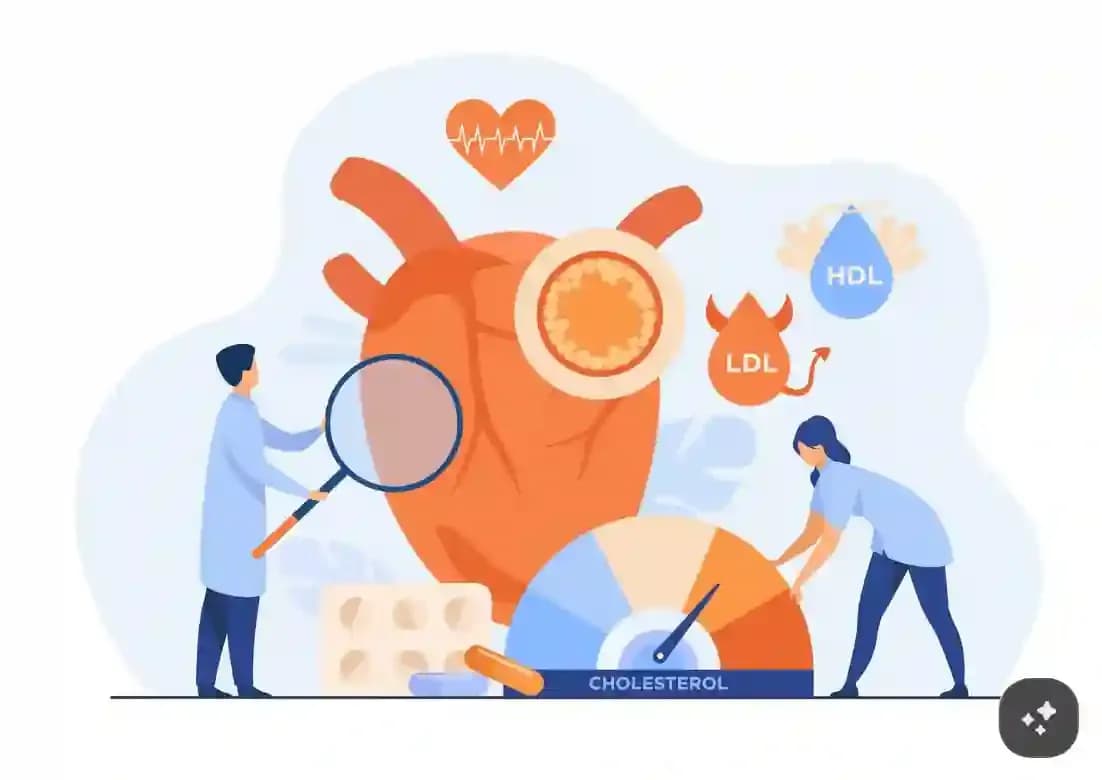
A diet rich in saturated fat and trans fat can push LDL ("bad") cholesterol levels higher. Deep-fried snacks, packaged baked goods, and red meat are common sources. Swapping these for healthier fats found in mustard oil, nuts, and fish can make a meaningful difference.
2. Lack of Physical Activity
A sedentary lifestyle lowers your HDL ("good") cholesterol. HDL helps carry excess cholesterol back to the liver for removal. Regular physical activity, even brisk walking for 30 minutes a day, supports healthier HDL levels.
Speak with your doctor before starting a new exercise routine, especially if you have an existing health condition.
3. Genetics and Familial Hypercholesterolaemia (FH)
Some people inherit high cholesterol regardless of their diet. Familial hypercholesterolaemia is the most common genetic cause of early heart disease. FH is caused by mutations in genes (LDLR, APOB, or PCSK9) that control how the body removes cholesterol from the blood. A parent with FH has a 50% chance of passing it to each child.
4. Underlying Medical Conditions
Hypothyroidism, chronic kidney disease, and diabetes can increase bad cholesterol and triglycerides. Certain medications, such as steroids, may also affect lipid metabolism, raising cholesterol levels and increasing the risk of cardiovascular diseases.
How Is High Cholesterol Diagnosis Done?
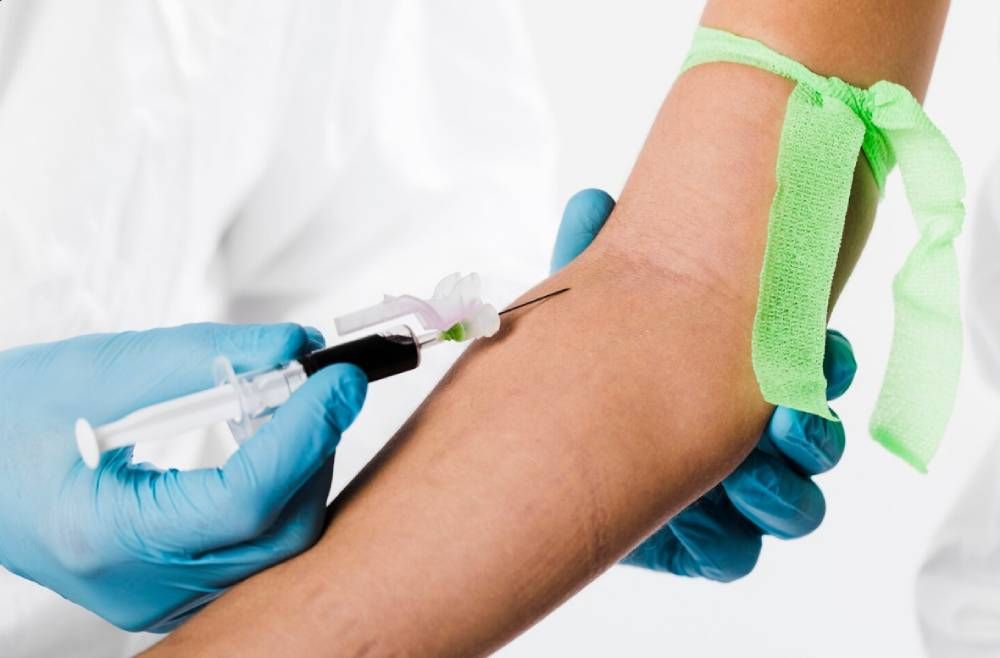
A high cholesterol diagnosis starts with a simple blood draw, usually after an overnight fast. The standard test is a lipid profile. Here is what it measures:
| Test Component | What It Tells You |
|---|---|
| Total Cholesterol Test | Overall cholesterol level in your blood |
| LDL Cholesterol | “Bad” cholesterol that can build up in artery walls and cause plaque formation |
| HDL Cholesterol | “Good” cholesterol that helps transport excess cholesterol back to the liver for removal |
| Triglycerides Test | Another type of blood fat associated with increased cardiovascular risk when elevated |
| VLDL Cholesterol | Lipoprotein that carries triglycerides from the liver to body tissues |
| Apolipoprotein B (ApoB) Test | Measures the number of potentially harmful cholesterol-carrying particles circulating in your blood |
| High-Sensitivity C-Reactive Protein (hs-CRP) | Measures low-grade inflammation that may indicate increased cardiovascular risk |
| Lipoprotein(a) [Lp(a)] Test | Measures an inherited type of cholesterol particle associated with increased risk of heart attack and stroke |
Your doctor is the best person to interpret your lipid profile results and recommend any follow-up.
What Are the Effective Strategies for High Cholesterol Prevention?
High cholesterol prevention rests on a few straightforward lifestyle habits. Here are the most effective strategies:
- Eat a heart-healthy diet. Focus on fruits, vegetables, whole grains, dal, and foods rich in soluble fibre (oats, rajma, chana). Limit saturated and trans fats from fried foods and processed snacks.
- Stay physically active. Aim for regular aerobic activity like brisk walking, cycling, or swimming.
- Manage your weight. Carrying extra weight raises LDL cholesterol. Even modest weight loss helps.
- Avoid tobacco. Smoking lowers HDL cholesterol and damages artery walls, making plaque build-up worse.
- Moderate alcohol intake. Keeping alcohol consumption low supports healthier lipid levels.
Finding and treating inherited conditions like FH early can reduce the risk of coronary artery disease by about 80%. That is why knowing your family history matters. If high cholesterol runs in your family, early screening is especially important.
Any changes to your diet, exercise, or medication should be discussed with your healthcare provider first.
Also Read: 10 High-Cholesterol Foods: What to Eat & What to Avoid
Taking Charge of Your Heart Health
High cholesterol gives you no warning signs to act on, which is precisely why regular blood testing matters. A simple lipid profile can reveal what your body cannot tell you on its own. Combined with a balanced diet, regular movement, and awareness of your family history, early screening puts you in control.
If your doctor has recommended a lipid profile or heart health check-up, Lupin Diagnostics can help. Book a test at your nearest NABL-accredited Lupin Diagnostics centre or opt for convenient home sample collection.
Frequently Asked Questions
How do I know if my cholesterol level is too high?
The only way to find out is through a blood test called a lipid profile. High cholesterol does not cause noticeable symptoms, so routine screening is essential.
What causes high cholesterol in people who eat healthy?
Genetics play a significant role. Familial hypercholesterolaemia and conditions like type 2 diabetes or obesity can raise cholesterol levels even when your diet is clean.
Which pathology blood test checks for high cholesterol?
A lipid profile (also called a lipid panel) is the standard test. It measures total cholesterol, LDL, HDL, and triglycerides in your blood.
Can high cholesterol cause leg pain or cramping?
Yes, it can. Cholesterol plaque build-up in the leg arteries may cause peripheral arterial disease, leading to pain while walking that improves with rest.
How quickly can you lower your cholesterol naturally?
Diet and exercise changes can produce measurable improvements in LDL cholesterol within 6 to 12 weeks. However, results vary from person to person.
Is high cholesterol inherited from family members?
Yes. Familial hypercholesterolaemia follows an autosomal dominant pattern. If one parent has FH, each child has a 50% chance of inheriting it.
This article is for informational and educational purposes only. It is not a substitute for professional medical advice, diagnosis, or treatment. Please consult a qualified healthcare provider for any questions about your health or medical conditions.
Featured Articles

Dehydrated How To Make A Lifesaving Diy Rehydration Drink For Cholera Recovery
Posted on: 22nd Jan 2026
Diabetes Screening For Diagnosis And Prevention
Posted on: 25th Oct 2023
Eating To Recover: The Best Foods For Getting Back On Your Feet After Cholera
Posted on: 22nd Jan 2026