Book a Home Collection Now!
10 High-Cholesterol Foods: What to Eat and What to Avoid
September 16, 2026 - By Lupin Diagnostics
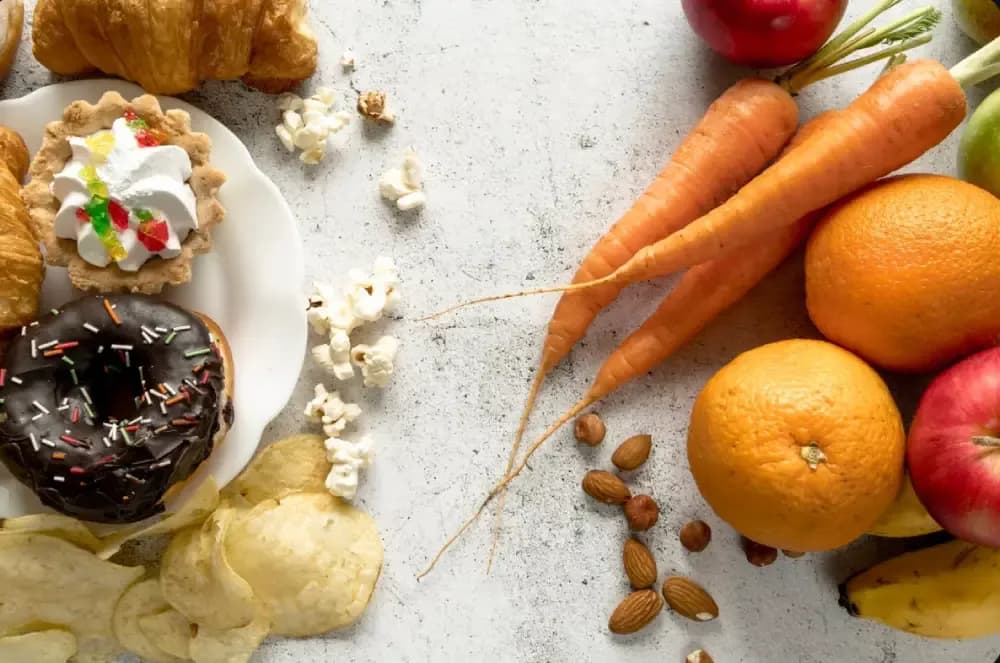
Not all high cholesterol foods deserve a bad reputation. Some are packed with nutrients your body genuinely needs. The real question is not how much cholesterol sits on your plate. It is which fats accompany that cholesterol. This article breaks down which high-cholesterol foods to eat, which to skip, and how to make smarter swaps at the grocery store.
Dietary Cholesterol vs. Saturated Fat: What Really Raises Blood Levels?
Here is something that surprises most people. Dietary cholesterol in food has a smaller effect on blood cholesterol than saturated fats do. Your liver produces most of your blood cholesterol. When you eat more saturated fat, your liver ramps up production of LDL bad cholesterol.
A study found that eating two eggs daily on a low-saturated-fat diet actually lowered LDL levels. Compare that to eating just one egg weekly alongside a high-saturated-fat diet. A diet rich in saturated fats can also lead to plaque buildup in your arteries. So focus on fat quality, not cholesterol numbers alone.
Which High Cholesterol Foods Are Actually Worth Eating?
This high cholesterol foods list provides options that deliver serious nutritional benefits.
1. Whole Eggs (With Yolks)
Eggs belong on any high cholesterol foods to eat list. Here is why:
- Your body adjusts its own cholesterol production when you eat eggs. Healthy adults can safely include up to one whole egg daily.
- Yolks are rich in choline, protein, and essential vitamins.
- The saturated fat in eggs is relatively low.
If you have diabetes or elevated LDL, speak with your doctor about your ideal intake.
2. Shellfish (Shrimp, Crab, and Clams)
Shellfish often gets unfairly flagged. Consider these facts:
- Shrimp is high in cholesterol but very low in total fat.
- Its low saturated fat content may actually improve your LDL-to-HDL ratio.
- Shellfish provides zinc, B vitamins, and lean protein.
3. Full-Fat Fermented Dahi and Kefir
Fermented dairy deserves a second look. Key points include:
- Full-fat dahi and kefir support gut health through beneficial probiotics.
- Fermented dairy may help manage obesity, diabetes, and cardiovascular risk through gut microbiota.
- Calcium absorption from fermented sources is often better.
4. Lean Cuts of Meat
Choosing the right cuts matters more than avoiding meat entirely:
- Replacing saturated fat with unsaturated fats, especially polyunsaturated fats, significantly reduces total and LDL cholesterol.
- Opt for lean cuts and trim visible fat before cooking.
- Pair with mustard oil or olive oil instead of ghee for frying.
5. Sardines and Small Oily Fish
Sardines punch well above their weight nutritionally:
- They are packed with omega-3 fatty acids, calcium, and vitamin D.
- Omega-3s, along with minerals like magnesium and zinc, help manage inflammation.
- A small tin of sardines makes an affordable, heart-friendly snack.
Also Read: Heart-Friendly Recipes for Better Cholesterol Control
Which High Cholesterol Foods Should You Avoid?
These five items combine cholesterol with harmful fats. That combination genuinely damages your heart.
6. Deep-Fried Foods and Commercial Snacks
Samosas, pakoras from street stalls, and packaged namkeen carry hidden risks:
- Deep-frying often introduces trans fats, which raise LDL and lower HDL good cholesterol.
- Trans fats increase your risk of heart disease and stroke.
- Reused cooking oil worsens the trans fat problem significantly.
7. Processed Meats (Bacon, Sausages, and Hot Dogs)
These are a triple threat to your heart:
- They combine saturated fats, high sodium, and chemical preservatives.
- Both processed and unprocessed red meat are probable risk factors for cardiovascular mortality.
- Swapping sausages for grilled fish or paneer tikka is a simple win.
8. Commercially Baked Sweets and Pastries
That bakery biscuit or cream-filled pastry is not just sugar:
- Cakes, cookies, and pie crusts often contain hydrogenated oils.
- These oils are a major source of trans fats.
- Refined sugars alongside trans fats drive up triglycerides and arterial inflammation.
9. Fast Food and Heavy Commercial Meals
Frequent fast-food meals stack the odds against your heart:
- These meals are typically loaded with saturated and trans fats.
- Regular consumption raises LDL levels and systemic inflammation.
- Even "grilled" options at chains may use butter-based sauces.
10. Fatty Cuts of Red Meat and Poultry Skin
The skin on your tandoori chicken adds more than flavour:
- Saturated fats in beef, pork, poultry skin, and full-fat dairy raise LDL cholesterol.
- Trimming visible fat and removing skin before cooking cuts saturated fat intake sharply.
- Choose chicken breast over thigh with skin whenever possible.
Also Read: Heart-Healthy Oils & Fats for Cholesterol Management
High Cholesterol Foods to Avoid Chart and Swap Matrix
Use this quick-reference high cholesterol foods to avoid chart to make smarter swaps at the store:
| Unhealthy Choice | Heart-Smart Swap | Why It Helps |
|---|---|---|
| Deep-fried snacks | Air-fried or baked alternatives | Eliminates trans fats |
| Processed meats | Grilled fish or paneer tikka | Cuts saturated fat and sodium |
| Bakery pastries | Homemade oat cookies with jaggery | Removes hydrogenated oils |
| Fast-food burgers | Homemade rajma or soya patties | Adds soluble fibre, cuts bad fats |
| Fatty red meat with skin | Lean chicken breast or dal | Lowers saturated fat significantly |
The American Heart Association recommends limiting saturated fat to 5–6% of total daily calories for adults needing to lower LDL. Your doctor can help determine the right target for you.
How Can You Actively Lower Your Blood Cholesterol?
Small daily habits add up. Here are strategies backed by evidence:
- Eat more soluble fibre. Just 3 g of oat fibre daily reduced total cholesterol by 8.1% in a study on Asian Indians. Oats, rajma, and chana are excellent sources.
- Cook with healthier oils. Extra-virgin olive oil or mustard oil replaces saturated fats with heart-friendly unsaturated ones.
- Add plant sterols. Foods fortified with plant sterols help block cholesterol absorption in the gut.
- Stay physically active. Regular walks, yoga, or cycling support a heart-healthy diet by improving HDL levels.
- Follow a balanced eating pattern. Mediterranean-style and DASH diets are naturally lower in cholesterol and rich in protective nutrients.
Please discuss any dietary changes with your healthcare provider, especially if you take cholesterol-lowering medication.
Making Smarter Grocery Decisions for Your Heart
Managing high-cholesterol foods comes down to one principle: focus on fat quality, not just cholesterol numbers. Nutrient-dense options like eggs, sardines, and dahi can stay on your plate. What truly hurts is the combination of saturated fats, trans fats, and processed ingredients hiding in fried snacks, bakery items, and fast food.
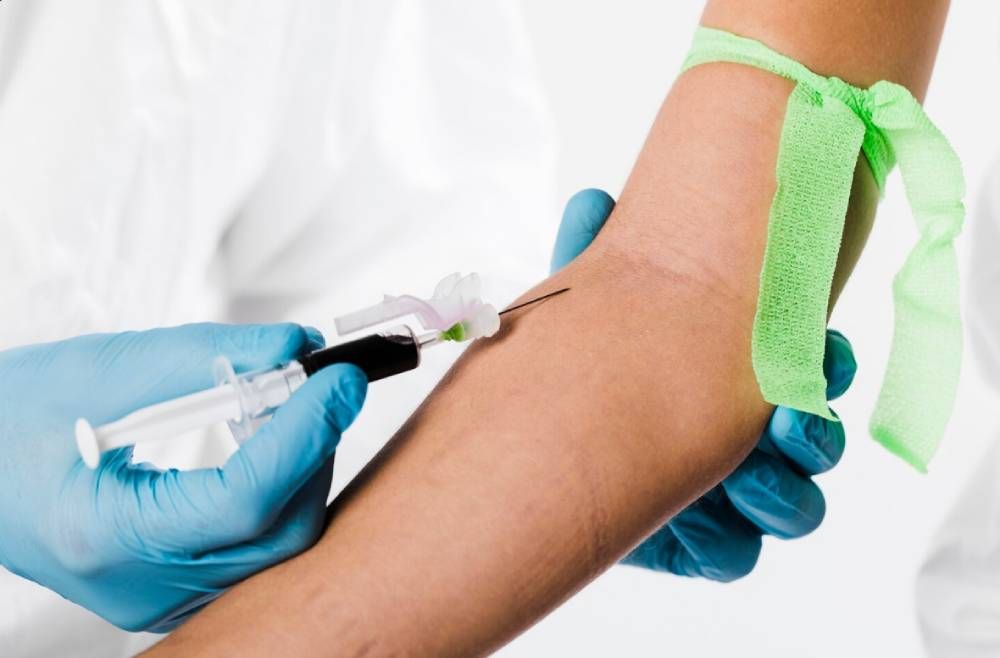
Want to know where your cholesterol levels stand today? Book a lipid profile test with Lupin Diagnostics at an NABL-accredited lab near you and take the first step towards a heart-healthy future.
Frequently Asked Questions
How many eggs can you safely eat a week if you have high cholesterol?
Healthy adults can include up to one whole egg daily, which works out to about seven per week. Those with elevated LDL or diabetes should aim for fewer than seven eggs weekly and discuss their ideal intake with a doctor.
Does eating shrimp increase your bad LDL cholesterol levels?
Shrimp may raise LDL modestly, but it also raises HDL and lowers triglycerides by about 13%, improving your overall lipoprotein balance. Its very low saturated fat content makes it a better choice than many animal proteins.
What foods flush out bad cholesterol from the body quickly?
Soluble fibre from oats, beans, and barley helps reduce LDL by binding bile acids in the gut. Plant sterols found in fortified foods also block cholesterol absorption effectively.
Is peanut butter considered good or bad for high cholesterol?
Peanut butter is rich in unsaturated fats, which are heart-healthier than saturated fats. Choose natural peanut butter without added hydrogenated oils or sugar for the best benefit.
Can drinking plenty of water help lower high cholesterol?
There is no direct evidence linking water intake to lower blood cholesterol levels. Dietary changes targeting saturated and trans fats remain far more effective for managing cholesterol.
Why do some high-cholesterol foods not raise blood cholesterol?
Dietary cholesterol has less impact on blood levels than saturated fat does. Your liver compensates by adjusting its own cholesterol production when you eat cholesterol-rich foods.
This article is for informational and educational purposes only. It does not substitute professional medical advice, diagnosis, or treatment. If you have concerns about your cholesterol levels or heart health, please consult a qualified healthcare provider for personalised guidance.
Featured Articles

Sleep Deprivation Effects How Poor Sleep Impacts Your Heart And Kidney Health
Posted on: 22nd Jan 2026

What A Complete Blood Count (CBC) Tells You About Your Health
Posted on: 22nd Jan 2026

Screen Time Fatigue And Vitamin D Deficiency The Hidden Connection You Shouldn T Ignore
Posted on: 22nd Jan 2026