Book a Home Collection Now!
VLDL Cholesterol: Symptoms, Causes & Levels
September 15, 2026 - By Lupin Diagnostics
Most people have seen LDL and HDL in their cholesterol blood test reports. But there's a third type that often goes unnoticed: VLDL cholesterol. This lipoprotein carries triglycerides in your blood and quietly raises your risk of heart disease. Understanding your VLDL levels can help you stay ahead of potential problems. Here's what you need to know.
What Is VLDL Cholesterol and How Does It Work?
Your liver creates VLDL particles to transport triglycerides, a type of fat, to tissues across your body. Think of VLDL as a delivery truck loaded with fuel for your cells. Once it drops off those triglycerides, the particle shrinks. It then transforms into LDL cholesterol.
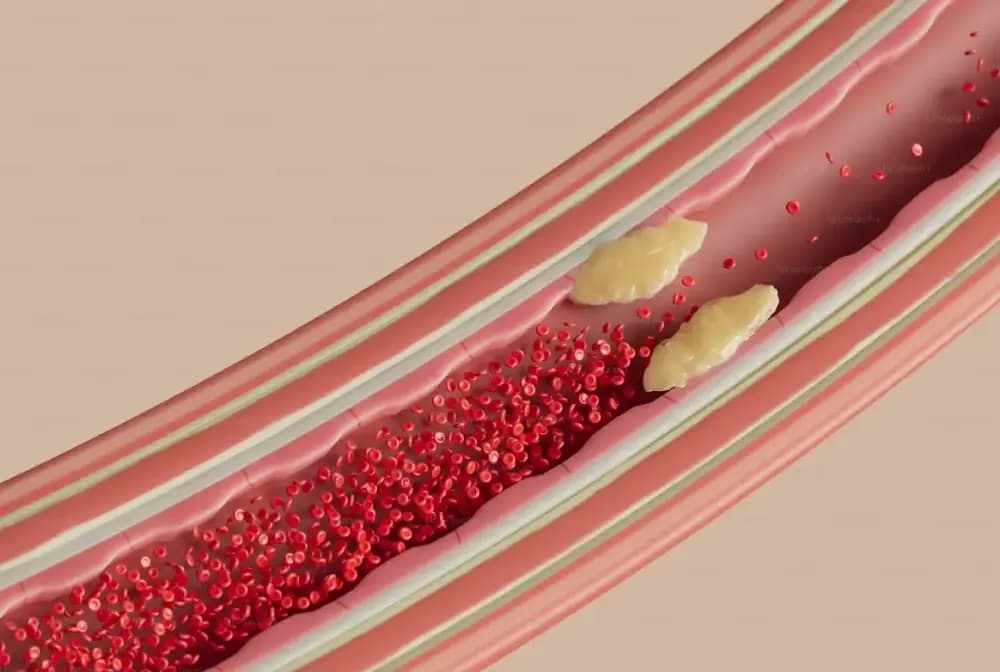
That's why VLDL matters. Higher VLDL means more LDL eventually enters your bloodstream. Both are considered "bad" cholesterol because they contribute to plaque build-up inside your arteries. This build-up narrows blood vessels over time, raising the risk of heart attack and stroke.
The key difference? VLDL mainly carries triglycerides. LDL mainly carries cholesterol. Both deserve attention on your lipid panel.
Also Read: LDL Cholesterol Ranges By Age: What is Normal?
What Are Normal VLDL Cholesterol Levels?
When you get a lipid profile test, your VLDL cholesterol levels usually appear alongside LDL, HDL, and triglycerides. Here are the standard reference ranges:
| VLDL Level | Category |
|---|---|
| 2–30 mg/dL | Normal |
| Above 30 mg/dL | Elevated |
Values above 30 mg/dL signal increased cardiovascular risk. Ranges may vary slightly between laboratories.
How Is VLDL Calculated?
Most labs don't measure VLDL directly. Instead, they estimate it using a simple formula called the Friedewald equation:
VLDL = Fasting Triglycerides ÷ 5
This works because fasting VLDL particles carry triglycerides and cholesterol in a roughly 5:1 ratio.
This calculation becomes unreliable when triglycerides exceed 400 mg/dL.
So if your triglyceride reading is 150 mg/dL, your estimated VLDL would be about 30 mg/dL.
Do VLDL Cholesterol Symptoms Actually Exist?
Here's what catches many people off guard. High VLDL produces absolutely no VLDL cholesterol symptoms on its own. You won't feel tired, dizzy, or unwell. It's a completely silent risk factor, which is exactly what makes it dangerous.
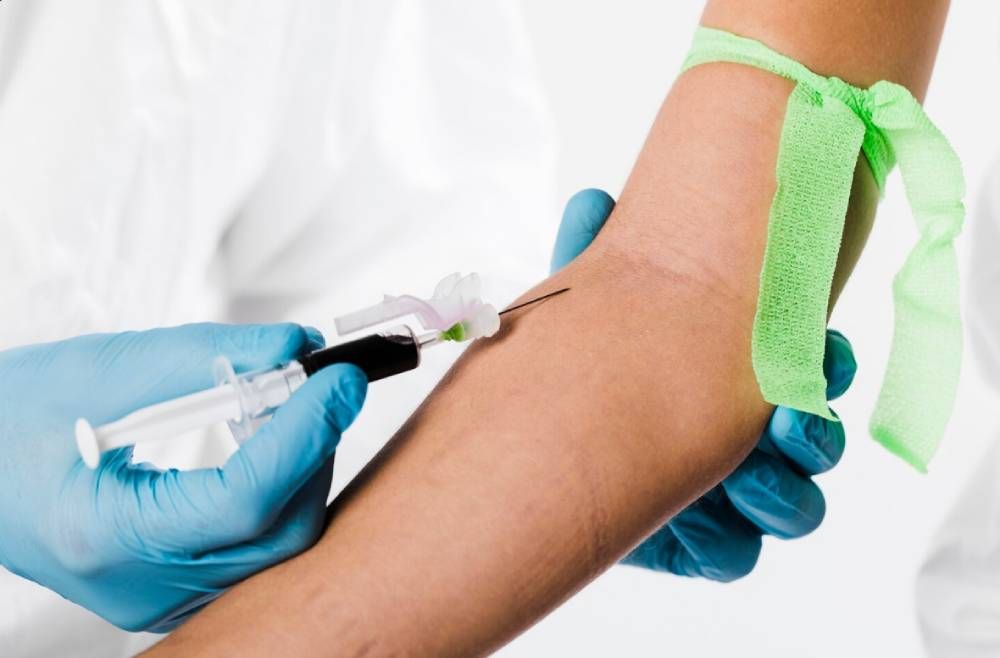
The only way to catch elevated levels is through a routine blood test. That's why regular lipid screening matters so much.
In severe cases, when triglycerides climb very high, some visible signs may appear:
- Eruptive xanthomas - small yellowish bumps on the skin, often on the buttocks or elbows.
- Acute pancreatitis - sudden, severe abdominal pain that needs emergency attention.
These signs indicate dangerously high triglycerides. Please seek medical care immediately if you experience severe abdominal pain.
Also Read: Heart-Friendly Recipes for Better Cholesterol Control
What Are the Main VLDL Cholesterol Causes?
Several factors push VLDL levels upward. They generally fall into three categories.
Lifestyle and Dietary Factors
Everyday habits play a major role in VLDL cholesterol levels:
- Eating too many refined carbohydrates and simple sugars.
- Consuming trans fats regularly.
- Drinking excessive alcohol.
- Leading a physically inactive lifestyle.
Medical and Metabolic Conditions
Certain health conditions boost VLDL production by the liver:
- Type 2 diabetes and metabolic syndrome.
- Obesity, roughly 60-70% of people with obesity have abnormal lipid levels, including elevated VLDL.
- Hypothyroidism, chronic kidney disease, and non-alcoholic fatty liver disease.
If you have any of these conditions, speak with your doctor about monitoring your lipid levels regularly.
Genetic Factors and Medications
Some people inherit a tendency toward high triglycerides. Familial hypertriglyceridaemia runs in families. Certain medications, such as corticosteroids, beta-blockers, and thiazide diuretics, can also raise VLDL levels.
How Do VLDL, LDL, and HDL Cholesterol Compare?
This quick-reference table breaks down the three main lipoproteins:
| Feature | VLDL | LDL | HDL |
|---|---|---|---|
| Primary cargo | Triglycerides | Cholesterol | Cholesterol (removes it) |
| Health impact | Raises heart risk | Causes arterial plaque | Protects heart health |
| Ideal level | Below 30 mg/dL | Below 100 mg/dL | Above 60 mg/dL |
HDL acts like a clean-up crew, removing LDL from your blood. VLDL and LDL both contribute to artery damage.
How Can You Lower VLDL Cholesterol?
Lifestyle changes can make a real difference. Here's what the evidence supports:
- Dietary shifts: a Mediterranean-style diet rich in vegetables, whole grains, and healthy fats helps lower triglycerides.
- Regular exercise: aerobic activity like brisk walking or cycling supports healthier lipid levels.
- Weight management: even modest weight loss improves VLDL and triglyceride numbers.
- Omega-3 fatty acids: found in fish, flaxseeds, and walnuts, these help reduce VLDL production in the liver.
Your doctor may also recommend medications such as fibrates or statins. Always consult a healthcare professional before starting any new treatment.
Take Charge of Your Heart Health
VLDL cholesterol quietly raises your cardiovascular risk without any warning signs. Regular lipid screening remains your best defence. Pair it with heart-healthy eating, regular movement, and weight management. Small, consistent changes in your daily routine can genuinely shift your numbers over time.
Wondering where your VLDL cholesterol levels stand? Book a lipid profile test with Lupin Diagnostics at an NABL-accredited lab near you — and take a clear step toward better heart health.
Frequently Asked Questions
What is the difference between LDL and VLDL cholesterol?
VLDL mainly carries triglycerides through your blood, while LDL mainly carries cholesterol. Both contribute to plaque build-up in your arteries, but they transport different types of fat.
Can drinking water lower your VLDL cholesterol levels?
There is no direct evidence linking water intake to lower VLDL. Proven strategies include dietary changes, regular exercise, and weight management.
What is considered a dangerously high VLDL level?
VLDL above 30 mg/dL is considered elevated. When triglycerides reach 500 mg/dL or higher, the risk of acute pancreatitis rises significantly.
How fast can lifestyle changes reduce high VLDL?
Improvements from diet and exercise may appear within a few weeks. However, the timeline varies from person to person.
Why is VLDL calculated as triglycerides divided by 5?
The Friedewald equation uses this formula because fasting VLDL particles carry triglycerides and cholesterol in a 5:1 ratio. It becomes inaccurate when triglycerides exceed 400 mg/dL.
Are high VLDL cholesterol levels reversible?
Yes, in most cases. Weight loss, dietary improvements, exercise, and medications like fibrates or omega-3 supplements can effectively lower VLDL levels.
This article is for informational purposes only and does not constitute medical advice, diagnosis, or treatment. Please consult a qualified healthcare professional for any concerns about your cholesterol levels or cardiovascular health.
Featured Articles

Sleep Deprivation Effects How Poor Sleep Impacts Your Heart And Kidney Health
Posted on: 22nd Jan 2026

What A Complete Blood Count (CBC) Tells You About Your Health
Posted on: 22nd Jan 2026

Screen Time Fatigue And Vitamin D Deficiency The Hidden Connection You Shouldn T Ignore
Posted on: 22nd Jan 2026