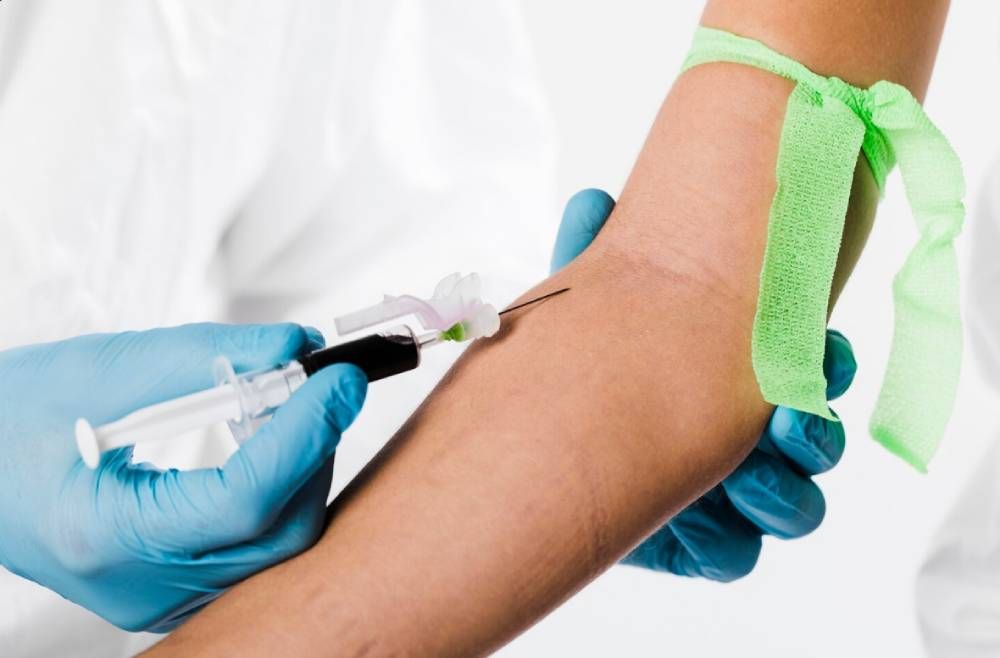
Book a Home Collection Now!
How Does Stress Affect the Immune System?
July 10, 2026 - By Lupin Diagnostics
Ever noticed how a tough week at work often ends with a scratchy throat or a runny nose? That link between how stress affects the immune system is not just a coincidence. A growing field called psychoneuroimmunology — the study of how your mind, nervous system, and immunity interact — has spent decades mapping this connection. This article breaks down what happens inside your body under stress and what you can do about it.
The Biology of Stress: What Happens in the Body?
When you face a threat — real or imagined — your brain triggers a "fight or flight" response. Your body releases stress hormones like cortisol and adrenaline. These hormones tighten blood vessels, raise heart rate, and prepare muscles for action.
At the same time, the sympathetic nervous system releases norepinephrine. This ramps up inflammatory signals called cytokines — specifically IL-1, IL-6, and TNF. In small doses, this response is protective. It is your body's built-in alarm system. The trouble starts when that alarm never switches off.
How Do the Effects of Stress on the Immune System Differ by Duration?
Acute Stress: The Short-Term Shield
Short bursts of stress — like narrowly avoiding a road accident — actually help your immune defences. Brief stress rapidly redistributes immune cells to tissues like skin and injury sites. This speeds up healing and strengthens anti-infection responses temporarily. Think of it as your body sending reinforcements exactly where they are needed most.
Chronic Stress: Slow, Steady Damage
Ongoing stress from financial worries, toxic workplaces, or caregiving tells a different story. Constant cortisol exposure reduces the percentage of lymphocytes — the white blood cells that fight infections. Over weeks and months, this leads to chronic immune suppression, leaving your body's baseline defences weakened. Your shield stays down precisely when you need it most.
What Are the Major Impacts of Stress on Immune Function?
Prolonged stress does not just make you feel run down. It creates measurable health consequences. Here are the key complications to watch for:
- Slower wound healing: Caregivers under chronic stress took 24% longer to heal standardised wounds than those without such stress.
- Higher infection risk: Reduced cellular immune defence means more frequent colds, flu, and other viral illnesses.
- Reactivation of dormant viruses: Latent infections like cold sores or shingles can resurface during prolonged stress periods.
- Increased chronic stress inflammation: Sustained stress pushes the body into a low-grade inflammatory state linked to numerous health conditions.
The Stress-Inflammation Paradox & Autoimmune Risks
Here is the paradox. Cortisol is naturally anti-inflammatory — it usually calms the immune system down. But under relentless stress, your immune cells can develop resistance to cortisol's calming signals. When that happens, inflammation runs unchecked.
This cortisol resistance has been linked to the development and worsening of autoimmune conditions. The very hormone meant to protect you starts losing its grip. If you have an existing autoimmune condition, speak with your doctor about stress management as part of your care plan.
Stress also drives indirect damage through everyday habits. Poor sleep disrupts cortisol patterns and raises inflammatory markers. Reaching for comfort food, skipping exercise, or drinking more alcohol further chips away at immune resilience.
Actionable Strategies to Counteract Stress-Induced Damage
You cannot eliminate stress entirely. But evidence-backed habits can lower its toll on your immunity:
- Practise yoga regularly. Among all exercise types, yoga showed the strongest cortisol reduction in a recent meta-analysis.
- Try deep breathing. Just 30 minutes of deep breathing stimulates the vagus nerve and improves heart rate variability — a marker of stress recovery.
- Prioritise sleep. Aim for 7–8 hours of consistent sleep to keep cortisol rhythms stable.
- Move your body daily. Even a brisk 30-minute walk helps regulate stress hormones.
- Set boundaries. Saying no to avoidable stressors protects both mental and physical health.
These strategies complement — but do not replace — professional medical guidance for chronic stress or immune-related concerns.
Building Your Stress-Immune Defence
Stress is woven into modern life — deadlines, commutes, family responsibilities. What matters is how your body processes it over time. Short stress bursts can sharpen your defences. Chronic, unmanaged stress steadily erodes them. Building daily habits like yoga, structured sleep, and mindful breathing directly supports how stress affects the immune system in your favour.
Curious about where your health stands? Book a health check-up with Lupin Diagnostics at an NABL-accredited lab near you to get a clear picture of your immune and inflammatory markers.
Frequently Asked Questions
How quickly can high stress levels begin to lower a person's physical immunity to viruses?
Acute stress can shift immune cells within hours. However, sustained immune suppression typically develops over weeks of chronic, unrelenting stress.
Can chronic stress cause a completely healthy individual to develop an autoimmune disorder?
Chronic stress contributes to immune dysregulation through cortisol resistance and is linked to autoimmune conditions. However, it is one contributing factor among many, not a sole cause.
Why do I always seem to get sick right after a stressful work project or exam period ends?
During stress, cortisol keeps certain immune processes heightened. Once stress drops suddenly, your immune system downregulates rapidly, creating a brief window of vulnerability to infections.
Does taking immunity supplements like Zinc or Vitamin C block the physiological damage caused by cortisol?
Zinc and Vitamin C support immune cell function and may reduce infection risk. However, they do not directly block cortisol's effects on your immune cells.
What is the single most effective daily habit recommended by science to lower stress hormones quickly?
Mind-body practices like yoga show the strongest evidence for reducing cortisol levels among all exercise types studied in meta-analyses.
Can deep breathing exercises instantly change how stress affects my immune system cells?
Deep breathing activates parasympathetic pathways and improves vagal tone. About 30 minutes of practice produces the best heart rate variability response, though lasting immune changes require consistent practice.
This article is for informational and educational purposes only. It is not a substitute for professional medical advice, diagnosis, or treatment. Please consult a qualified healthcare provider for any health-related concerns or before making changes to your wellness routine.
Featured Articles
Diabetes Screening For Diagnosis And Prevention
Posted on: 25th Oct 2023

Eating To Recover: The Best Foods For Getting Back On Your Feet After Cholera
Posted on: 22nd Jan 2026

What A Complete Blood Count (CBC) Tells You About Your Health
Posted on: 22nd Jan 2026