Book a Home Collection Now!
Signs and Symptoms of HIV in Men and Women: Early Detection Guide
April 25, 2026 - By Lupin Diagnostics
Are you dealing with a lasting fever, unexpected fatigue, or a rash that doesn't go away? Recognising the signs and symptoms of human immunodeficiency virus (HIV) early can make a real difference. About two-thirds of people develop flu-like symptoms within weeks of infection. Yet many remain unaware of their status. This guide explains the early warning signs of HIV in men and women, when to get tested, and why it is important to act quickly.
What Is HIV and How Does It Affect Your Body?
HIV is a virus that targets your immune system. It specifically attacks white blood cells called CD4 cells, which help your body fight infections. Over time, the virus weakens your defences against illnesses such as tuberculosis and certain cancers.
Remember that HIV and AIDS are not the same thing. AIDS is the most advanced stage of HIV infection. It is diagnosed when CD4 counts fall below 200 cells per cubic millimetre of blood. Without treatment, HIV may progress to AIDS over several years.
When Do Signs and Symptoms of HIV Appear?
Acute HIV infection typically develops within 2 to 4 weeks after exposure. However, some people have no symptoms at all during this early phase. That is why testing remains the only reliable way to confirm HIV status.
If you suspect exposure, please consult a healthcare professional for appropriate testing.
What Are the Early Symptoms of HIV?
The early symptoms of HIV often mimic a common flu, making them easy to overlook. These symptoms may last a few days to several weeks.
Common early signs include:
- Fever and chills
- Persistent fatigue
- Swollen lymph nodes
- Skin rash
- Sore throat
- Muscle and joint pain
- Night sweats
- Headaches
- Mouth ulcers
Many people dismiss these as seasonal illnesses. Staying alert to these HIV warning signs, especially after possible exposure, is important.
How Do HIV Symptoms Differ in Men and Women?
While HIV affects both men and women, the way symptoms appear and progress can differ due to biological and hormonal factors.
1. HIV Symptoms in Men
While the flu-like symptoms mentioned above are common across genders, HIV symptoms in men may also include:
- Genital sores or ulcers
- Painful urination or genital infections
- Reduced libido
- Frequent infections due to weakened immunity
These signs can overlap with other conditions. A blood test is needed for a proper diagnosis, not symptom-based guessing.
Speak with your doctor if any of these symptoms persist or worsen.
2. HIV Symptoms in Women
HIV symptoms in women often involve changes in reproductive health, which can be easily attributed to other causes:
- Recurring vaginal yeast infections
- Irregular menstrual cycles
- Pelvic pain
- Unusual vaginal discharge
- Higher susceptibility to other sexually transmitted infections
Pregnant women should get tested for HIV during each pregnancy. This ensures the virus is not transmitted to the baby.
What Are the Symptoms of Advanced HIV Infection?
If left untreated, HIV can progress to AIDS. At this stage, the immune system is severely compromised. People may develop opportunistic illnesses that a healthy immune system would normally fight off.
Signs of advanced HIV include:
- Rapid, unexplained weight loss
- Persistent fever or drenching night sweats
- Chronic diarrhoea lasting over a week
- Extreme tiredness
- Recurring skin rashes or infections
- Memory difficulties or neurological changes
Early detection of HIV helps prevent progression to this stage.
If you or someone you know experiences these symptoms, seek medical attention without delay.
When Should You Get Tested for HIV?
Testing is easy and available all over India. Think about getting tested in these situations:
- After being around someone who might have HIV
- If you have symptoms that don't go away and you don't know why
- When you are pregnant or during regular health check-ups
- If you have more than one partner, you should get tested at least once a year
According to the CDC, everyone between the ages of 13 and 64 should be tested for HIV at least once. More frequent screening is helpful for people who are more likely to get sick.
Your doctor can guide you on the right testing schedule.
Taking the First Step Matters Most
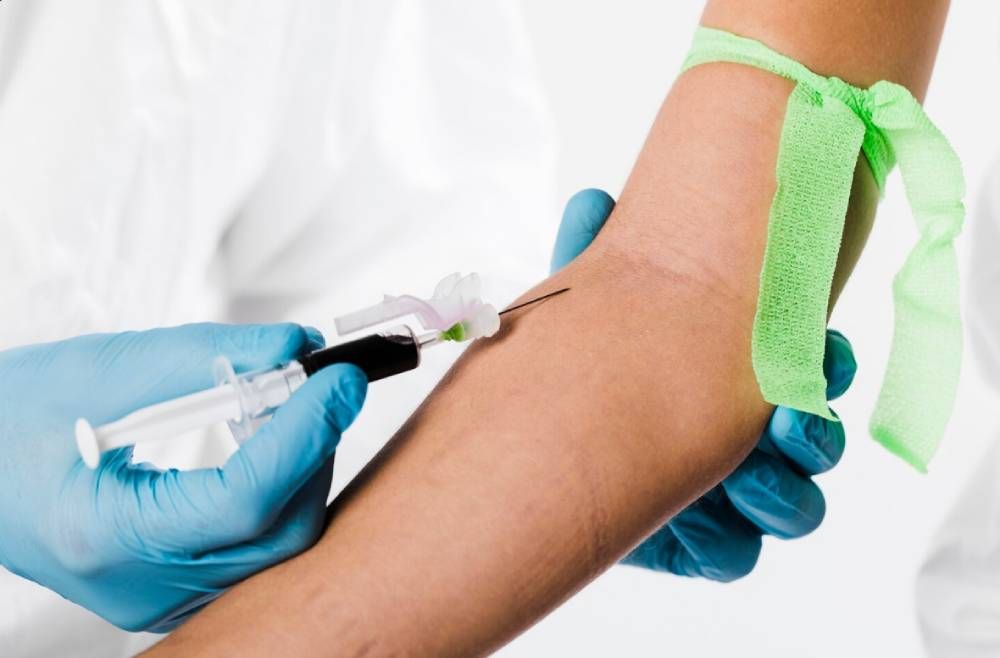
Recognising the signs and symptoms of HIV early gives you the best chance at effective management. Whether it is a lingering fever or recurring infections, paying attention to your body matters. If anything feels off, a simple blood test can bring clarity and peace of mind.
Book an HCV test or H3 viral marker test at Lupin Diagnostics. Their NABL-accredited labs across India make reliable testing accessible and convenient.
Frequently asked questions
1. What are the first signs and symptoms of HIV?
The early signs are often flu-like, with symptoms such as fever, headache, rash, sore throat, and swollen lymph nodes. These usually show up 2 to 4 weeks after the infection and can last for days to weeks.
2. How long does it take for HIV symptoms to appear?
Acute symptoms typically manifest within 2 to 4 weeks post-exposure. Some people may not show any signs of illness during this first stage.
3. Are HIV symptoms different in men and women?
Fever and fatigue are two of the main symptoms. Men may notice genital sores or painful urination, whereas women may experience menstrual irregularities and recurring vaginal infections.
4. Can a person have HIV without symptoms?
Yes. Some people don't show any symptoms at first, which is why testing is the only way to be sure of your status.
5. What are the symptoms of HIV in women?
Women may experience vaginal yeast infections, irregular periods, pelvic discomfort, atypical discharge, and an increased susceptibility to other sexually transmitted infections as a result of compromised immunity.
6. When should someone get tested for HIV?
After any potential exposure, during pregnancy, or as part of routine health check-ups. People who are at higher risk should get tested every year.
7. What are the warning signs of advanced HIV infection?
Advanced HIV may cause rapid weight loss, persistent fever, chronic diarrhoea, extreme fatigue, skin infections, and memory-related difficulties.
Disclaimer
This article is for informational purposes only and does not replace professional medical advice, diagnosis, or treatment. If you have concerns about HIV or any health condition, please consult a qualified healthcare provider.
Featured Articles

Dehydrated How To Make A Lifesaving Diy Rehydration Drink For Cholera Recovery
Posted on: 22nd Jan 2026
Diabetes Screening For Diagnosis And Prevention
Posted on: 25th Oct 2023

Eating To Recover: The Best Foods For Getting Back On Your Feet After Cholera
Posted on: 22nd Jan 2026