Book a Home Collection Now!
Best Liver Function and Platelet Tests for Patients with Dengue
June 2, 2026 - By Lupin Diagnostics
Most people associate dengue with sharply reduced results in a platelet test for patients with dengue, and they’re not wrong. But fewer realise that the virus quietly damages the liver as well. Choosing the best test for dengue fever goes beyond confirming the diagnosis. Tracking both blood counts and liver markers can make the difference between a smooth recovery and a dangerous complication. This article walks you through every test that matters and when to get it done.
What is the Best Test to Confirm Dengue Fever?
Timing decides which test your doctor will request. The two main options work in different windows:
- NS1 Antigen Test (Days 1 to 5): This detects the viral protein that circulates early in infection. It works best within the first five days of symptoms.
- IgM/IgG Antibody ELISA (Day 5 onwards): Your immune system starts producing IgM antibodies around day four or five. These remain detectable for up to 3 months.
When used together, NS1 and IgM tests can usually confirm dengue within the first 7 days of illness. Your doctor picks the right combination based on when your fever started.
The Crucial Role of the Platelet Test for Patients with Dengue
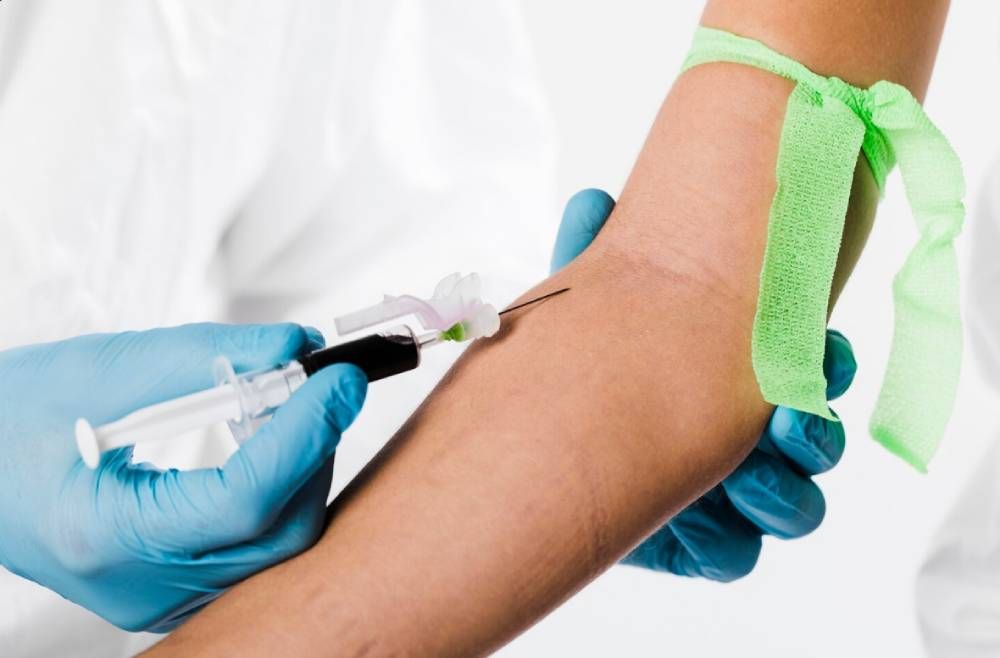
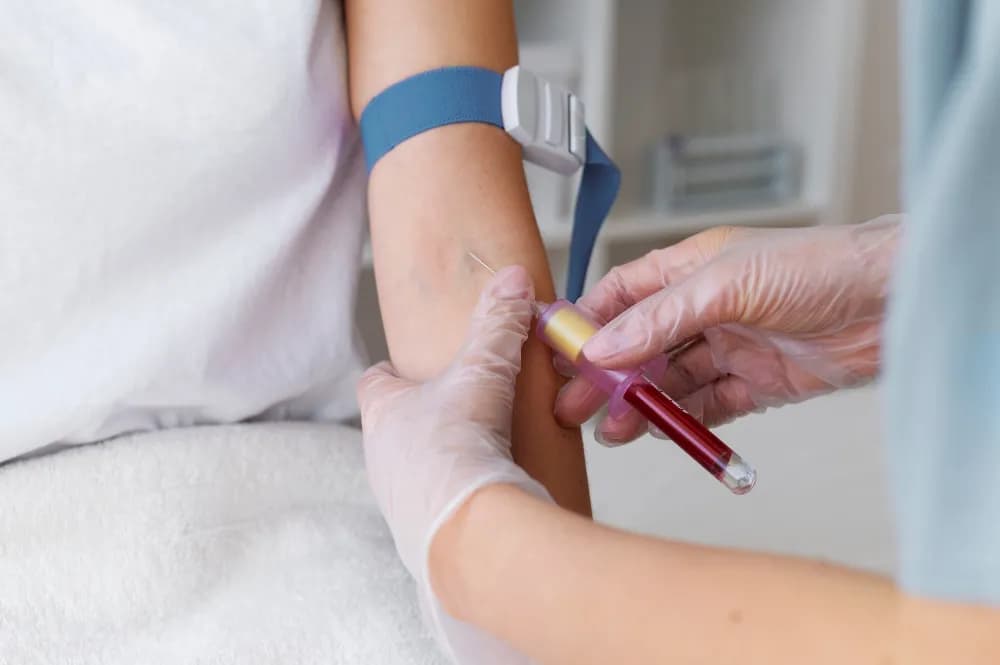
A complete blood count (CBC) is the go-to test for monitoring platelet counts during dengue. It measures platelet counts alongside haematocrit and other blood cell counts. Dengue attacks platelets from two sides. It suppresses the bone marrow, slowing the production of new platelets. At the same time, it speeds up the destruction of existing platelets in your bloodstream. This double hit causes thrombocytopenia, a sharp fall in platelet count.
Here is a quick reference for platelet ranges during dengue:
| Platelet Count (per microlitre) | What It Signals |
|---|---|
| 1,50,000 to 4,00,000 | Normal range |
| 1,00,000 to 1,50,000 | Mild drop; close monitoring needed |
| 50,000 to 1,00,000 | Moderate drop; frequent CBC required |
| Below 50,000 | Severe risk of spontaneous bleeding |
Platelet interpretation varies by individual. Your treating doctor will guide the next steps based on your full clinical picture.
A haematocrit spike alongside a fall in platelets is a red flag. Rising haematocrit indicates that plasma is leaking from blood vessels, thereby thickening the remaining blood. Doctors monitor both numbers together to catch early signs of dengue haemorrhagic fever.
Why Will Your Doctor Order a Liver Function Test (LFT)?
Dengue frequently causes liver inflammation, even in milder cases. The best liver function test panel helps doctors gauge this damage early. A distinctive pattern shows up on LFTs during dengue. AST (also called SGOT) climbs higher than ALT (SGPT). One study found that 100% of patients with severe dengue had an SGOT/SGPT ratio above 1. Elevated AST is also linked to 2.4 times higher odds of developing warning signs. SGOT and SGPT levels are therefore among the most telling markers your doctor will track.
Key Parameters in a Dengue LFT Panel
Your LFT report covers several markers. These deserve close attention:
- AST (SGOT) and ALT (SGPT): Rising values indicate liver cell injury. AST typically rises more steeply.
- Serum Albumin: Low albumin (hypoalbuminemia) suggests plasma leakage. Up to 50% of patients with severe dengue exhibit this drop.
- Total Bilirubin: Elevated levels may signal early jaundice.
These results should always be interpreted by your treating physician in conjunction with your symptoms.
How Do Low Platelets Correlate With Liver Dysfunction?
Research shows a significant negative correlation between platelet count and AST levels during the critical phase. Put simply, the higher your liver enzymes climb, the lower your platelets tend to fall.
This relationship warns doctors about possible progression toward severe dengue. Patients with sharply elevated liver enzymes often experience drastic platelet drops. Tracking both together gives a clearer picture of overall severity than either test alone.
How Often Do You Need Blood Tests During Dengue?
The critical phase begins as your fever subsides and typically lasts 24 to 48 hours. This window carries the highest risk of shock and haemorrhage. During this phase, doctors usually order a CBC and LFT every 12 to 24 hours. They are watching for rapid platelet drops, haematocrit spikes, or sudden liver enzyme surges. Once your platelet count stabilises and fever clears, testing frequency eases.
Your doctor will decide the exact schedule based on your condition.
Staying Ahead of Dengue With the Right Tests
Surviving dengue safely means looking beyond fever charts. Platelet counts reveal how your blood is coping. Liver function tests show whether the virus is silently harming your organs. Together, these tests help doctors with dengue hemorrhagic fever monitoring to spot problems early and act quickly. Routine monitoring of both markers is linked to better outcomes.
If you or a family member is dealing with dengue, timely testing makes all the difference. Lupin Diagnostics offers comprehensive dengue screening packages with CBC and LFT panels, available at NABL-accredited labs and through home collection services across India.
Frequently Asked Questions
Why does dengue fever cause a person's platelet count to drop so quickly?
Dengue suppresses new platelet production in the bone marrow while simultaneously increasing platelet destruction through activation and clearance in the bloodstream. This double hit causes a rapid decline.
Can a liver function test predict if my dengue case will become severe?
Elevated AST levels may help predict progression to severe dengue. However, this is probabilistic, not definitive. Your doctor will consider LFT results alongside other clinical signs.
Do I need to fast before getting my platelet and liver function tests done for dengue?
Fasting is generally not required for a CBC or dengue serological tests. Your diagnostic centre will inform you if any specific preparation is needed.
What is the significance of checking haematocrit levels alongside platelets?
Rising haematocrit with falling platelets signals that plasma is leaking from blood vessels. This combination warns doctors about increased vascular permeability and risk of clinical deterioration.
Is a high SGOT/SGPT level permanent after recovering from dengue?
Liver enzyme levels typically rise during the acute phase and then gradually return to normal as the liver recovers. In most cases, the elevation is temporary.
Disclaimer
This article is for informational and educational purposes only. It is not intended as a substitute for professional medical advice, diagnosis, or treatment. Please consult a qualified healthcare provider with any questions regarding dengue or other medical conditions.
Featured Articles
Diabetes Screening For Diagnosis And Prevention
Posted on: 25th Oct 2023

Eating To Recover: The Best Foods For Getting Back On Your Feet After Cholera
Posted on: 22nd Jan 2026

What A Complete Blood Count (CBC) Tells You About Your Health
Posted on: 22nd Jan 2026