Book a Home Collection Now!
How a Creatinine Test Reveals the True Health of Your Kidneys
April 20, 2026 - By Lupin Diagnostics
Your kidneys work silently around the clock, filtering waste from your blood. A creatinine test is one of the simplest ways to check whether they're doing that job well. In India, chronic kidney disease (CKD) prevalence has risen from 11.12% between 2011 and 2017 to 16.38% between 2018 and 2023. However, most people with early kidney issues show no symptoms at all. This article covers what the test measures, who should consider getting it, and how to interpret the results.
What Is a Creatinine Test, and How Does It Work?
Your muscles constantly produce a waste product called creatinine. Healthy kidneys filter nearly all of it from your blood and eliminate it in urine. However, when kidney function declines, creatinine levels increase. A creatinine test can help detect this increase.
Doctors typically recommend one of three approaches when ordering a creatinine test to assess kidney function:
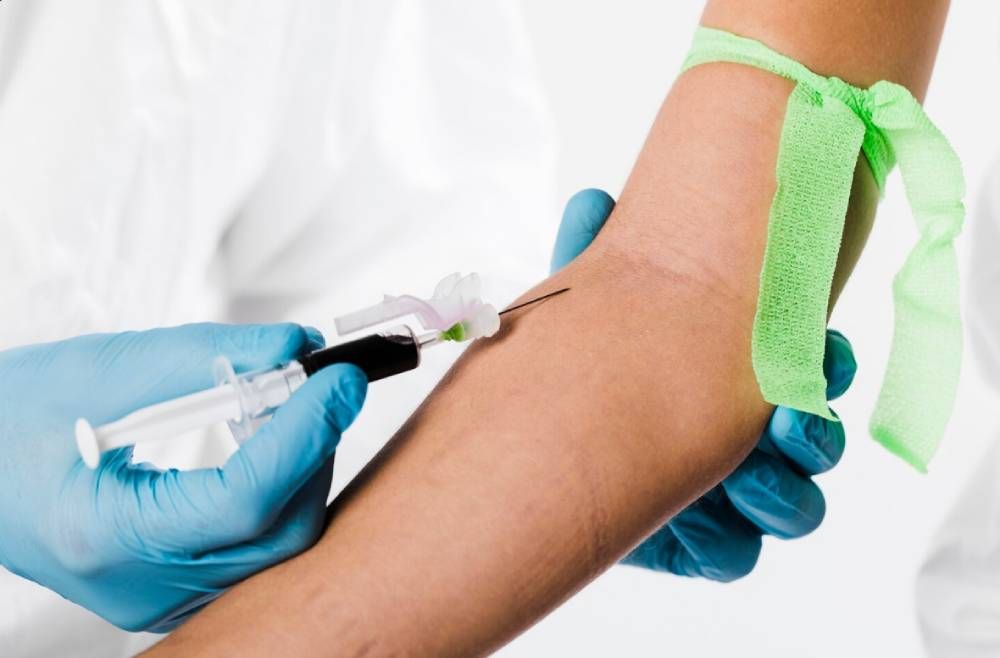
- Serum creatinine test: It involves a simple blood draw to measure creatinine levels in the bloodstream.
- Urine creatinine test: This test helps check creatinine levels in a urine sample, often collected over 24 hours.
- Creatinine clearance test: It combines blood and urine results to estimate how much blood your kidneys filter per minute.
Each test offers a slightly different perspective on how well the kidneys are functioning. Doctors use creatinine levels to calculate your estimated glomerular filtration rate (eGFR). This number estimates how quickly your kidneys filter waste. Together, these values give a clearer picture than either number alone.
Your doctor may recommend one or more tests based on your health history.
Why Is a Creatinine Test Important for Kidney Health?
Early kidney damage rarely causes obvious symptoms. That's what makes a routine kidney function test so valuable: it helps identify problems before symptoms appear. However, there is one important limitation. Kidney function can drop by as much as 50% before serum creatinine levels start rising noticeably.
For this reason, doctors often pair the creatinine test with an eGFR test. This approach considers creatinine levels along with factors such as age and sex to provide a more complete picture of your kidney function. Together, both measurements help monitor patients with chronic kidney disease and track their response to treatment over time.
These tests are informational. Always discuss the results with your healthcare provider.
Who Should Get a Creatinine Test?
Some people are at a higher risk of kidney problems. If any of the following apply to you, regular screening is a good idea:
- Diabetes: Approximately 1 in 3 adults with diabetes develops CKD.
- High blood pressure: Approximately 1 in 5 adults with high blood pressure has CKD.
- Heart disease or obesity
- Age above 60 years
- A family history of kidney disease
- Long-term use of certain medications, including over-the-counter painkillers or antibiotics, may affect kidney function.
People with diabetes or high blood pressure benefit most from regular kidney checks. Early detection opens the door to timely management. Even without risk factors, adding a creatinine test to your routine health check-up is a simple, affordable precaution.
Consult a qualified healthcare professional for personalised guidance on testing frequency, interpretation of results, or treatment.
What Are the Signs of Kidney Problems?
Kidney disease often stays silent in its early stages. However, as kidney function declines, individuals may present with the following symptoms:
- Swelling in the feet, ankles, or face due to sodium retention.
- Persistent fatigue or difficulty concentrating as toxins build up in the blood.
- Changes in urination, including going more or less often than usual.
- Foamy urine: Excessive bubbles may signal protein leaking through damaged kidney filters.
- Reduced appetite
Remember that these symptoms can be linked to a number of different conditions, not just kidney disease. If you notice any of these symptoms, it is worth speaking to a doctor for a proper evaluation.
What Are Normal Creatinine Levels?
Normal creatinine levels differ between men and women because creatinine production depends on muscle mass. Here's a quick reference:
| Parameter | Women | Men |
|---|---|---|
| Upper normal limit | 1.2 mg/dL | 1.4 mg/dL |
Values above these thresholds may indicate reduced kidney function. However, a single reading isn't enough for a diagnosis. Your doctor considers your age, body size, overall health, and eGFR before interpreting the results.
Factors That Affect Creatinine Levels
Several things can shift your creatinine reading, even temporarily. Being aware of these factors may help you and your doctor interpret results accurately:
- Diet: Eating red meat can raise creatinine by as much as 30% shortly after the meal
- Muscle mass: People with more muscle naturally produce more creatinine
- Dehydration: Less fluid means more concentrated creatinine levels
- Certain medications: Some medicines influence kidney filtering speed
- Intense exercise: A heavy workout right before the test may temporarily raise levels
For this reason, avoiding a high-protein meal before your test is wise. Otherwise, no special preparation is needed for a standard serum creatinine blood draw.
How Can You Support Healthy Kidney Function?
Hypertension and diabetes are the two most common causes of CKD worldwide. Managing both conditions goes a long way in protecting your kidneys. Here are some practical steps to support healthy kidney function:
- Stay hydrated: Drink enough water throughout the day, especially when it's hot.
- Eat balanced meals: Include plenty of vegetables, dal, whole grains, and fruits. Limit excessive salt and processed foods.
- Monitor blood pressure and blood sugar: Keeping these in healthy ranges can help reduce the risk of CKD, heart disease, and stroke.
- Schedule regular health check-ups: Routine lab tests help spot changes early, sometimes even before symptoms show up.
Any changes to your diet or lifestyle should ideally be discussed with a healthcare professional.
Final Thoughts
A creatinine test is one of the simplest ways to check whether your kidneys are filtering waste effectively. Paired with an eGFR test, it gives both you and your doctor actionable insight, especially when done regularly. Early detection remains the strongest tool against kidney disease.
If you would like to get your creatinine levels checked or a full kidney function test done, Lupin Diagnostics offers convenient testing at NABL-accredited labs and home collection services across India. Visit our website today.
Frequently asked questions
1. What is a creatinine test used for?
A creatinine test measures creatinine in your blood to evaluate how well your kidneys filter waste. Doctors often pair it with an eGFR test for a more complete picture of kidney function.
2. What is the normal range of creatinine in adults?
Generally, creatinine levels of 1.2 mg/dL in women and 1.4 mg/dL in men are considered normal; levels above these thresholds may suggest reduced kidney function.
3. What causes high creatinine levels in the blood?
Reduced kidney function is the primary cause of elevated blood creatinine levels. Other factors include dehydration, a very high-protein diet, intense exercise, and long-term use of certain medications.
4. Who should get a creatinine test done?
Individuals with diabetes, high blood pressure, heart disease, obesity, a family history of CKD, or who are above 60 years of age should get a creatinine test done regularly.
5. Can a creatinine test detect kidney disease early?
Yes. Because early kidney disease usually has no symptoms, a creatinine test can pick up changes in kidney function before you notice anything unusual.
6. How should I prepare for a creatinine blood test?
There is usually no special preparation needed. However, avoiding a heavy non-vegetarian or high-protein meal before the test helps ensure accurate results.
Disclaimer
This article is for informational and educational purposes only. It is not a substitute for professional medical advice, diagnosis, or treatment. Please consult a qualified healthcare provider for any concerns about your kidney health or test results.
Featured Articles

Dehydrated How To Make A Lifesaving Diy Rehydration Drink For Cholera Recovery
Posted on: 22nd Jan 2026
Diabetes Screening For Diagnosis And Prevention
Posted on: 25th Oct 2023

Eating To Recover: The Best Foods For Getting Back On Your Feet After Cholera
Posted on: 22nd Jan 2026