H3 Viral Marker Profile: HIV, HBsAg and HCV Test: Booking, Price, and Results
About H3 Viral Marker Profile: HIV, HBsAg and HCV Test
| Field | Value |
|---|---|
| Also Known As | Triple H Test, H3 Panel, Viral Marker Profile, H3 Screening Panel |
| Sample Type | Venous blood (serum) |
| Fasting Required | 10 to 12 hours of fasting is required |
| Report Time | 24 to 72 hours |
| Recommended For | All adults, especially those with risk factors, pregnant women, pre-surgical patients, and blood donors |
| Price | Starting at ₹1,100 |
What Is an H3 Viral Marker Profile: HIV, HBsAg and HCV Test?
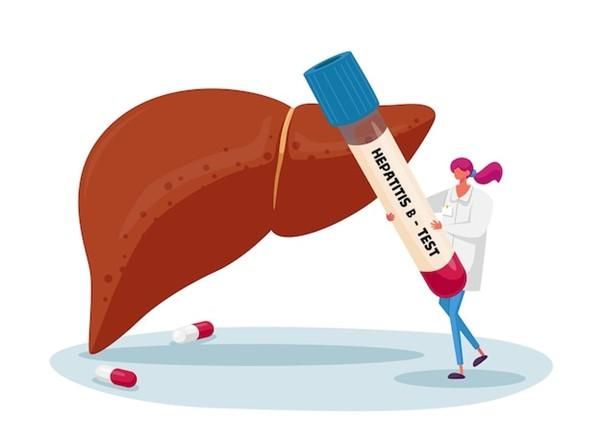
The H3 Viral Marker Profile is a blood screening panel that checks for three major viral infections in a single sample: Hepatitis B, Hepatitis C, and HIV. Also called the Triple H Test or H3 Screening Panel, it detects specific antigens and antibodies that appear in the blood when these viruses are present. Doctors commonly order it before surgery, during pregnancy, and for individuals with potential risk factors for blood-borne infections.
What Does an H3 Viral Marker Profile: HIV, HBsAg and HCV Test Measure?
The Viral Marker Profile looks for three distinct markers in your blood. Here is what each one tests for:
| Parameter | What It Detects |
|---|---|
| HBsAg (Hepatitis B Surface Antigen) | A protein found on the surface of the Hepatitis B virus; its presence indicates a current Hepatitis B infection |
| Anti-HCV (Hepatitis C Antibodies) | Antibodies your immune system produces after exposure to the Hepatitis C virus; a positive result requires a follow-up RNA test to confirm active infection |
| HIV Combo Ag/Ab (HIV-1/2) | A fourth-generation test that detects both HIV antibodies and the p24 antigen (a protein produced by the virus), enabling earlier detection than older antibody-only methods |
Why Is an H3 Viral Marker Profile: HIV, HBsAg and HCV Test Done?
This test is used for early detection of three infections that often show no symptoms for years. Early identification helps prevent complications and reduces the risk of passing these infections to others.
Common Symptoms That May Require This Test
A doctor may recommend the H3 Panel if you experience any of the following:
- Fever, headache, nausea, or vomiting without a clear cause
- Jaundice (yellowing of the skin or the whites of the eyes)
- Unexplained weight loss
- Night sweats
- Persistent fatigue or weakness
- Skin rashes without an obvious reason
- Abdominal pain or discomfort
- Dark coloured urine
Conditions This Test Can Help Detect
The Viral Marker Profile can help identify the following infections:
- Hepatitis B virus (HBV) infection, which can progress to chronic liver disease, cirrhosis, or liver cancer if undetected
- Hepatitis C virus (HCV) infection, another leading cause of chronic liver damage
- HIV (Human Immunodeficiency Virus), which attacks immune cells and, if untreated, can lead to AIDS (Acquired Immunodeficiency Syndrome)
H3 Viral Marker Profile HIV HBsAg HCV Test During Pregnancy
Screening for all three infections is recommended during every pregnancy. Testing allows healthcare providers to take timely steps to prevent transmission from mother to infant. Infants born to mothers with Hepatitis B have a 90% chance of developing a chronic HBV infection without appropriate intervention, making early detection especially important in antenatal care.
How to Prepare and What to Expect
No special preparation is needed for this test. The procedure is quick and straightforward.
Do You Need to Fast?
Yes, fasting is required. 10 to 12 hours of fasting is recommended before testing, during which you can only drink water.
Practical Tips Before Your Test
Keep the following in mind before your sample is collected:
- Tell your doctor about all medications you currently take, as some can affect results
- Inform your doctor if you have recently received a Hepatitis B vaccine
- Drink plenty of water; good hydration makes vein access easier
- Bring a duly filled consent form, which is mandatory for this test
- Wear a loose-fitting top or short sleeves for easy arm access
- Stay calm and relaxed; anxiety does not affect the test, but can make the experience more comfortable
Step-by-Step Procedure
Here is what typically happens during your sample collection:
- A trained phlebotomist will ask you a few brief questions and verify your consent form.
- A soft tourniquet is tied around your upper arm to bring the vein into view.
- The skin over the vein is cleaned with an antiseptic swab.
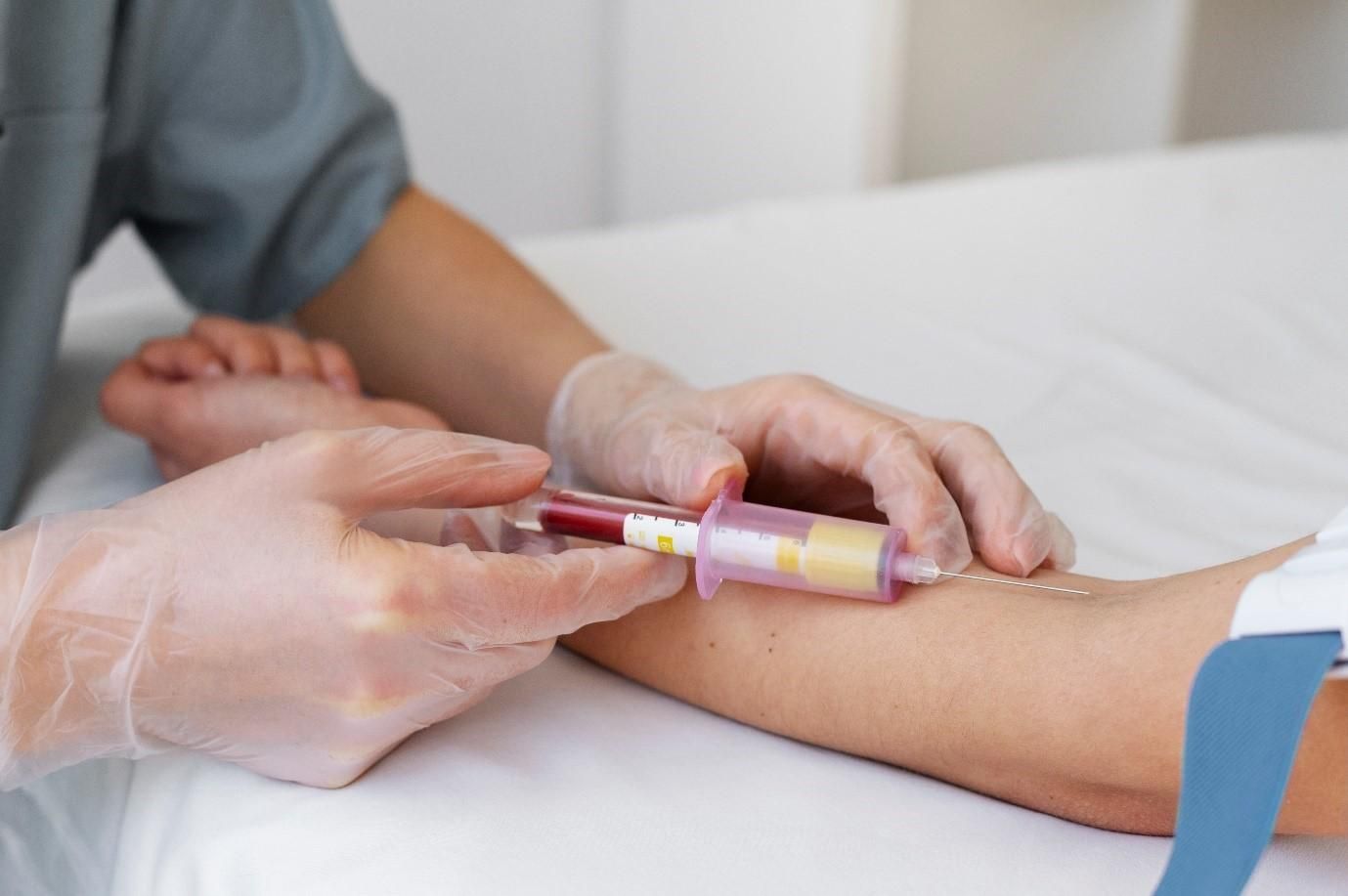
- A small needle is gently inserted into the vein to draw a blood sample into collection tubes.
- Once enough blood is collected, the needle is removed, and a cotton pad is pressed over the site.
- The labelled sample is dispatched to the laboratory for analysis.
Factors That Can Affect Accuracy
Certain factors may influence your results:
- Testing too soon after exposure (the "window period") may produce a false negative result; antibodies for hepatitis viruses can take 2 to 10 weeks to develop, while HIV may take 18 to 45 days to detect via a combo test
- Recent Hepatitis B vaccination can cause a temporary positive HBsAg result
- Use of antiretroviral medications (such as PrEP) may delay HIV detection
- Immunocompromised conditions may reduce antibody production, potentially affecting accuracy
Understanding Your H3 Viral Marker Profile: HIV, HBsAg and HCV Test Results
Results are reported as either "Non-reactive" (negative) or "Reactive" (positive) for each marker. A doctor should always review your results in the context of your health history and any potential exposure.
| Parameter | Normal (Non-Reactive) | Reactive Interpretation |
|---|---|---|
| HBsAg | Non-reactive (less than 1.0 S/CO) | Suggests current Hepatitis B infection; further tests, such as HBV DNA and liver enzymes, are needed |
| Anti-HCV | Non-reactive (less than 1.0 S/CO) | Indicates exposure to Hepatitis C; an HCV RNA test is required to confirm active infection |
| HIV Combo Ag/Ab | Non-reactive (less than 1.0 S/CO) | Requires confirmatory testing, including an antibody differentiation assay or HIV RNA test |
S/CO = signal-to-cutoff ratio.
These ranges are general guidelines. Your doctor will interpret your results based on your age, health history, and other factors. Always consult a qualified healthcare professional for personalised medical advice.
Results During Special Conditions
Some circumstances can alter how results should be read:
- Individuals taking PrEP (pre-exposure prophylaxis for HIV) may receive a delayed positive result because antiretroviral drugs can suppress detectable viral markers.
- Neonates and young children who recently received the Hepatitis B vaccine may show a transient positive HBsAg result due to the vaccine's antigen content relative to body size.
- In acute Hepatitis C, antibodies may not appear until two months after exposure, making early testing unreliable.
- Immunocompromised individuals may produce fewer antibodies, increasing the chance of a false negative.
How to Maintain Healthy Levels
These general steps can help reduce the risk of infection:
- Practise safe sex and use barrier protection consistently
- Avoid sharing needles, razors, or any personal items that may carry blood
- Speak to a healthcare provider about Hepatitis B vaccination if you have not yet been immunised
Lupin Diagnostics H3 Viral Marker Profile: HIV, HBsAg and HCV Test Price and Home Collection
The H3 Viral Marker Profile is available at Lupin Diagnostics starting at ₹1,100, with home sample collection offered across cities. Approximate prices across major cities are listed below:
| City | Approximate Price (₹) |
|---|---|
| Mumbai | ₹1,800 |
| Hyderabad | ₹1,100 |
| Kolkata | ₹1,180 |
| Chennai | ₹1,100 |
| Bangalore | ₹1,100 |
| Pune | ₹1,800 |
Prices are indicative and may vary by location. Please confirm the current price at the time of booking.
How to Book
- Select the test on the Lupin Diagnostics website.
- Choose your city and preferred time slot.
- Opt for home sample collection by a certified phlebotomist, or visit your nearest Lupin Diagnostics centre.
- Receive your report via email or WhatsApp within the stipulated turnaround time.
Home Collection
A certified phlebotomist will visit your home at your chosen time to collect the blood sample. All samples are processed in NABL-accredited Lupin Diagnostics laboratories. Your digital report is delivered via email or WhatsApp within 24 to 72 hours of collection.
Frequently Asked Questions
The Triple H Test is another name for the H3 Viral Marker Profile, a screening panel that checks for Hepatitis B, Hepatitis C, and HIV in a single blood sample. It uses specific antigens and antibodies as markers to detect these infections. The test is widely used in pre-surgical screening, blood donation screening, and antenatal care.
Yes, fasting is needed. 10 to 12 hours of fasting is recommended before the test.
Reports for the Viral Marker Profile are generally ready within 24 to 72 hours. The exact time depends on the laboratory and whether any reactive results require additional confirmatory testing.
A reactive result does not automatically confirm infection. It means the screening found a marker that needs further investigation. Your doctor will arrange confirmatory tests, such as HCV RNA, HBV DNA, or HIV RNA testing, before making a diagnosis. For HIV, all initially reactive samples are retested using three different methods as per national guidelines.
No. There is a window period during which the virus is present, but markers are not yet detectable. Hepatitis virus antibodies can take 2 to 10 weeks to develop. An HIV combo test can detect infection around 18 to 45 days after exposure in most cases. If you test during this window and receive a negative result, your doctor may advise retesting after the window period passes.
The H3 Screening Panel is recommended for individuals with risk factors for blood-borne infections, people undergoing surgery, blood donors, and anyone seeking a general health check. It is also a standard part of antenatal care for pregnant women.
Yes. A duly filled consent form is mandatory before sample collection for the Viral Marker Profile. This applies whether you visit a collection centre or opt for home collection. The phlebotomist will guide you through the form if needed.
H3 Viral Marker Profile: HIV, HBsAg and HCV Test