Book a Home Collection Now!
Key Blood Tests In An Antenatal Care Panel How To Interpret The Results
December 17, 2024 - By Lupin Diagnostics
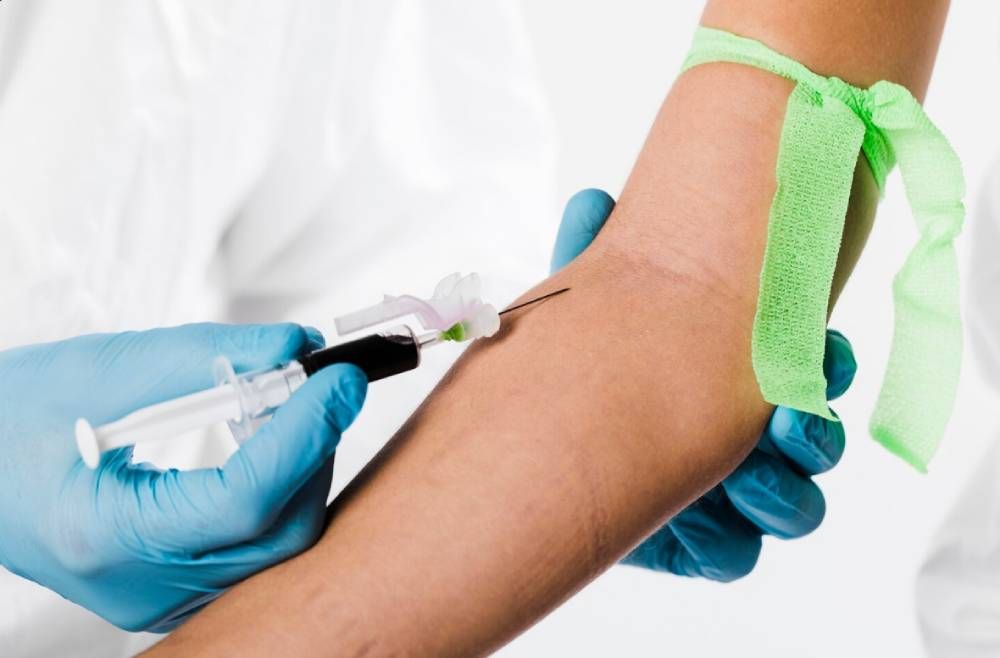
Antenatal care, also known as prenatal care, is a vital component of a healthy pregnancy, providing essential monitoring and screenings for both the mother and the developing fetus. During pregnancy, specific blood tests are conducted as part of the antenatal care (ANC) profile test to detect and manage any health issues that could affect the pregnancy. These tests offer insights into maternal and fetal health, helping expectant parents make informed choices for a healthy pregnancy journey.
Understanding Importance of Blood Tests in Antenatal Care
Antenatal care (ANC) involves regular check-ups, screenings, and guidance throughout pregnancy, ensuring optimal health for the mother and fetus. A routine antenatal check-up often includes various blood tests to monitor and assess different health markers. These tests serve several purposes, including detecting infections, monitoring nutrient levels, and assessing genetic or developmental abnormalities.
The ANC profile test is typically recommended during the first prenatal check-up, with follow-up tests as the pregnancy progresses. The results of these blood tests guide healthcare providers in taking preventive or corrective actions, if necessary, to ensure a healthy pregnancy outcome.
Common Blood Tests in the Antenatal Care Panel
The antenatal care panel includes a range of blood tests, each of which provides crucial information about maternal and fetal well-being. Below are some of the key blood tests that form part of the ANC profile:
- Complete Blood Count (CBC)
A complete blood count (CBC) is a routine test that measures various components of the blood, including:
- Red blood cells (RBCs) indicate oxygen-carrying capacity.
- White blood cells (WBCs) reflect immune function and help detect infections.
- Platelets are important for blood clotting and preventing excessive bleeding during childbirth.
Normal RBC and hemoglobin levels suggest adequate oxygenation, while low values may indicate anemia, which is common in pregnancy. Elevated WBCs can signal an infection, whereas low platelet levels may require careful monitoring to manage potential bleeding risks during delivery.
- Blood Group and Rh Factor
Knowing a pregnant woman's blood type (A, B, AB, or O) and Rh factor (positive or negative) is essential. If the mother is Rh-negative and the fetus is Rh-positive, there is a risk of Rh incompatibility, which could lead to complications in subsequent pregnancies.
Rh incompatibility is managed by administering an injection called Rho(D) immune globulin at specific stages to prevent the mother's immune system from attacking fetal red blood cells.
- Blood Glucose Levels
Screening for gestational diabetes is a standard part of prenatal care, typically occurring between the 24th and 28th week of pregnancy. High glucose levels in a glucose tolerance test may indicate gestational diabetes, which can increase the risk of preeclampsia and large birth weight in babies.
Elevated glucose levels may require dietary adjustments, exercise, or medication to manage blood sugar and ensure a healthy pregnancy.
- Iron Levels and Ferritin
Iron is crucial for fetal development and maternal health, as iron deficiency can lead to anemia, fatigue, and increased risks during delivery. Ferritin is a measure of stored iron in the body and helps assess overall iron levels.
Low ferritin or iron levels indicate iron deficiency, which can be corrected with supplements or dietary changes to ensure sufficient iron for both mother and baby.
- Hepatitis B and C Screening
Testing for hepatitis B and C helps to detect any underlying liver infections that may affect pregnancy or could be transmitted to the baby during childbirth. Positive test results require careful monitoring and possible treatment to reduce the risk of transmission and manage any complications associated with the infection.
- HIV and Syphilis Screening
Testing for HIV and syphilis is part of standard prenatal screening to reduce the risk of mother-to-child transmission. Early diagnosis allows for interventions that can protect the baby from infection. Positive HIV or syphilis results enable healthcare providers to administer treatments that reduce transmission risks and manage maternal health throughout pregnancy.
- Rubella Immunity Test
The rubella immunity test checks for antibodies to the rubella virus, which can be harmful to the fetus if the mother contracts it during pregnancy. Known as German measles, rubella can lead to birth defects if a woman is infected during the early stages of pregnancy.
A lack of rubella antibodies indicates susceptibility, and women are advised to avoid exposure during pregnancy. If rubella immunity is low, vaccination is recommended before future pregnancies.
- Thyroid Function Test
Thyroid hormones play a critical role in fetal brain and nervous system development. Thyroid function tests (T3, T4, and TSH) help monitor for hypothyroidism or hyperthyroidism, which, if left untreated, can impact both the mother and the baby. Abnormal thyroid levels require immediate attention. Hypothyroidism is managed with hormone replacement, while hyperthyroidism may need medication to control excessive hormone production.
- TORCH Panel
The TORCH panel screens for infections that can adversely affect fetal development. TORCH stands for Toxoplasmosis, Other (such as syphilis, varicella), Rubella, Cytomegalovirus, and Herpes simplex virus.
Positive results indicate past or active infections, which require monitoring or treatment to reduce risks to fetal health.
Additional Tests for Genetic and Developmental Screening
In addition to these primary blood tests, antenatal care often includes screening for genetic disorders and developmental anomalies. Non-invasive prenatal testing (NIPT) and alpha-fetoprotein (AFP) testing can help detect chromosomal abnormalities such as Down syndrome and spina bifida, respectively.
Abnormal results from these screenings may prompt further diagnostic tests, such as amniocentesis or chorionic villus sampling (CVS), to confirm any findings.
Why Regular Antenatal Check-Ups Matter?
Regular antenatal check-ups are crucial for monitoring maternal and fetal health throughout pregnancy. These appointments provide a platform for discussing any concerns, learning about prenatal care options, and receiving personalized advice. Testing intervals and procedures may vary based on individual risk factors and health conditions, ensuring that both mother and child receive the most appropriate care.
Featured Articles
Diabetes Screening For Diagnosis And Prevention
Posted on: 25th Oct 2023

Eating To Recover: The Best Foods For Getting Back On Your Feet After Cholera
Posted on: 22nd Jan 2026

What A Complete Blood Count (CBC) Tells You About Your Health
Posted on: 22nd Jan 2026