Book a Home Collection Now!
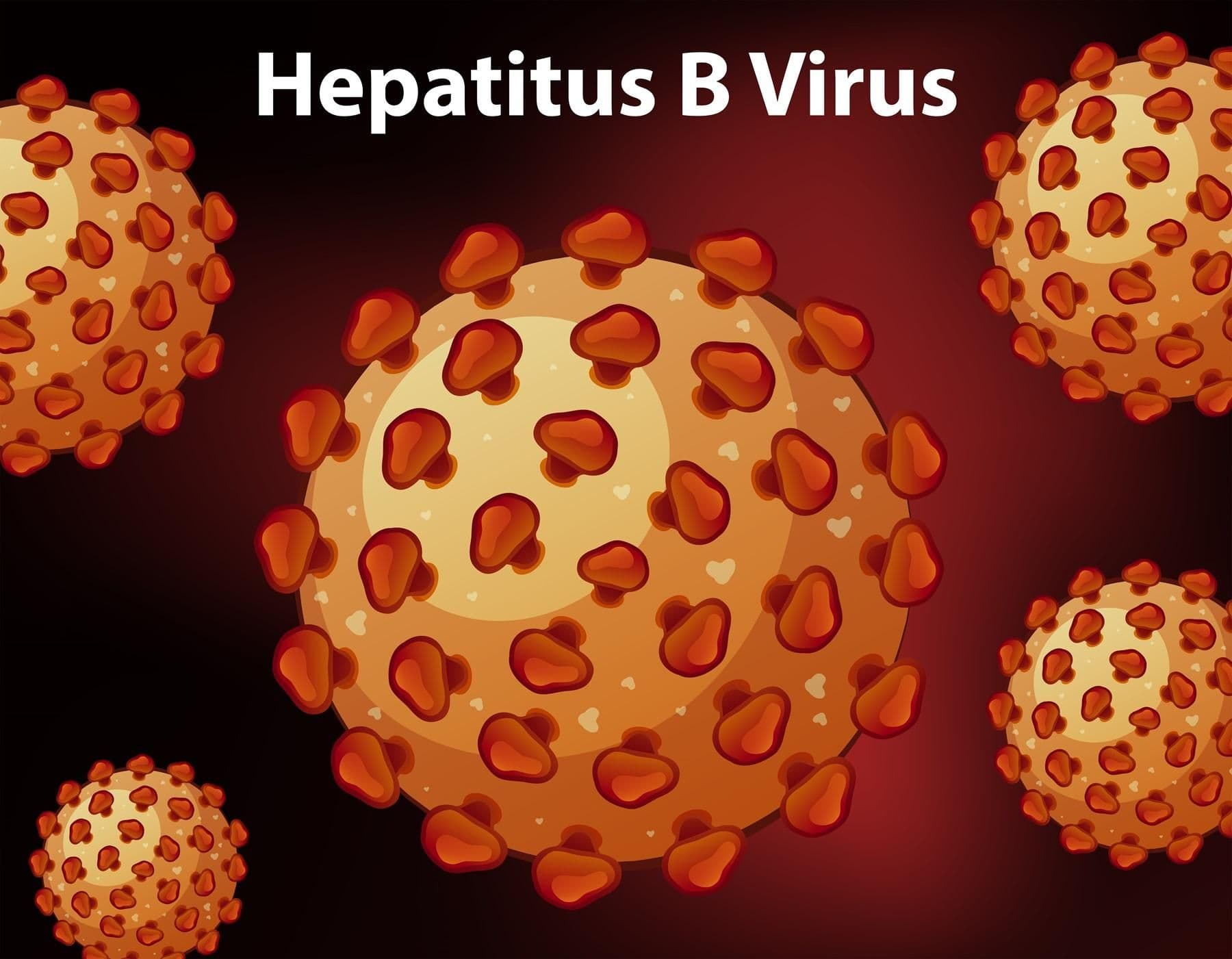
Hepatitis B Virus Causes Symptoms And Diagnosis Procedures
February 17, 2025 - By Lupin Diagnostics
Hepatitis B is a viral infection that affects the liver and can lead to serious health complications. The Hepatitis B virus (HBV) spreads through contact with infected blood, bodily fluids, or from mother to child during birth. Early detection and appropriate management are essential in preventing long-term liver damage and associated complications.
Causes of Hepatitis B Virus
HBV causes infection through exposure to the virus via various transmission routes, including:
- Unprotected sexual contact with an infected person.
- Sharing contaminated needles or syringes.
- Mother-to-child transmission during childbirth.
- Exposure to infected blood through medical procedures or personal care items like razors.
- Organ transplants or blood transfusions with infected blood (though rare due to screening procedures).
Understanding these risk factors helps in the prevention of HBV transmission and the implementation of effective public health strategies.
Symptoms of Hepatitis B
Hepatitis B symptoms vary depending on whether the infection is acute or chronic:
Acute Hepatitis B Symptoms
- Fatigue
- Fever
- Jaundice (yellowing of skin and eyes)
- Dark urine
- Loss of appetite
- Nausea and vomiting
- Abdominal pain
Chronic Hepatitis B Symptoms
Many individuals with chronic HBV infection remain asymptomatic for years. However, as the disease progresses, they may develop:
- Persistent fatigue
- Liver inflammation
- Cirrhosis (liver scarring)
- Liver failure
- Increased risk of liver cancer
Recognizing symptoms early can lead to timely intervention and better health outcomes.
Diagnosis Procedures for Hepatitis B
Several tests are available to diagnose HBV and assess its impact on the liver.
- Blood Tests
Blood tests detect HBV infection, assess liver function, and determine whether the infection is acute or chronic:
- Hepatitis B surface antigen (HBsAg): Indicates an active infection.
- Hepatitis B surface antibody (anti-HBs): Suggests past infection or immunity due to vaccination.
- Hepatitis B core antibody (anti-HBc): Shows past or ongoing infection.
- Liver function tests: Evaluate liver damage by measuring enzymes like ALT and AST.
- HBV Genotyping Test
The HBV genotyping test identifies different strains of the virus, which may influence disease progression and treatment response. Specific HBV genotypes are associated with varying risks of developing liver cancer or cirrhosis.
- Hepatitis B Virus Mutations Testing
Hepatitis B virus mutations can affect disease severity and response to antiviral treatments. Testing for mutations helps healthcare providers select the most effective treatment regimen.
- Imaging Tests
- Ultrasound: Assesses liver size and detects abnormalities.
- FibroScan: Measures liver stiffness to evaluate fibrosis and cirrhosis.
- MRI or CT Scan: Provides detailed imaging of liver health.
- Liver Biopsy
A liver biopsy may be performed in cases of chronic HBV to assess liver damage severity and guide treatment decisions.
Hepatitis B Complications
Without appropriate management, Hepatitis B complications can be severe, including:
- Cirrhosis: Progressive liver scarring leading to liver dysfunction.
- Liver Cancer: HBV infection significantly increases the risk of hepatocellular carcinoma.
- Liver Failure: Advanced HBV-related liver disease may result in the need for a liver transplant.
Treatment for Hepatitis B
There is no complete cure for Hepatitis B, but effective treatments can manage the infection and prevent complications. The primary treatment options include:
- Antiviral Medications: Drugs like entecavir, tenofovir, and lamivudine help suppress HBV replication and reduce liver damage.
- Interferon Therapy: Interferon-alpha injections may be used for some patients, particularly younger individuals with strong immune systems.
- Liver Transplant: In cases of severe liver failure due to chronic Hepatitis B, a liver transplant may be the only viable option.
- Regular Monitoring: Patients with chronic Hepatitis B require routine blood tests and liver function assessments to monitor disease progression and adjust treatment as needed.
Early intervention with appropriate treatment can prevent severe complications such as cirrhosis and liver cancer.
Early detection of the Hepatitis B virus (HBV) through diagnostic tests like the HBV genotyping test and Hepatitis B virus mutations screening is crucial in preventing severe Hepatitis B complications. Understanding HBV causes and recognizing Hepatitis B symptoms allows for timely medical intervention, ultimately reducing the risk of liver-related diseases. If you suspect exposure to HBV, consult a healthcare professional for appropriate testing and management.
Featured Articles
Diabetes Screening For Diagnosis And Prevention
Posted on: 25th Oct 2023

Eating To Recover: The Best Foods For Getting Back On Your Feet After Cholera
Posted on: 22nd Jan 2026

What A Complete Blood Count (CBC) Tells You About Your Health
Posted on: 22nd Jan 2026