Book a Home Collection Now!
When Is The H3 Viral Marker Profile Test Performed? Cost, Procedure, and Results
January 13, 2025 - By Lupin Diagnostics
The H3 viral marker profile test is a comprehensive screening panel that checks for three major blood-borne viral infections: Hepatitis B, Hepatitis C, and HIV. These infections often remain silent for years. Without diagnosis and treatment, they can lead to chronic liver disease, cirrhosis, liver cancer, and AIDS. Early screening through the H3 viral marker profile test allows timely intervention, protects partners and families, and supports safer medical care.
This guide explains what the H3 viral marker profile test includes, who should get it, how the HBsAg test and HIV HCV testing are performed, how to interpret results, and what follow-up steps might be needed.
What Is the H3 Viral Marker Profile Test?
The H3 viral marker profile test is a bundled laboratory panel that typically includes:
- HBsAg test – for Hepatitis B
- HIV HCV testing – usually anti-HCV and HIV antigen/antibody tests
Each component looks for specific markers in the blood that indicate infection.
Hepatitis B surface antigen (HBsAg) is a protein on the surface of the hepatitis B virus (HBV). Its presence usually indicates that a person is currently infected and potentially infectious.
Hepatitis C virus (HCV) is detected either by anti-HCV antibodies or by viral RNA. The WHO and CDC recommend expanded hepatitis C testing in adults and pregnant women to enable earlier diagnosis and cure.
HIV is usually diagnosed through a combination antigen/antibody test or antibody test, often confirmed with supplemental assays.
Because these three viruses share similar transmission routes, blood, sexual contact, and from mother to child, the H3 viral marker profile test offers a convenient, efficient way to screen for them together.
What does H3 Viral Marker Profile Includes
A standard H3 viral marker profile test usually covers the following:
1. HBsAg Test (Hepatitis B Surface Antigen)
The HBsAg test detects hepatitis B surface antigen in the blood. The presence of HBsAg indicates an ongoing HBV infection, acute or chronic. It is often the first serologic marker to appear after infection and plays a central role in HBV screening algorithms.
If positive, the HBsAg test may be followed by additional markers such as anti-HBs and anti-HBc to clarify the stage of infection.
2. Anti-HCV Test
For HIV HCV testing, the H3 panel typically uses an anti-HCV antibody assay. This reveals whether a person has ever been exposed to hepatitis C. A positive result is usually followed by HCV RNA testing to confirm whether the infection is active, in line with WHO and CDC guidelines.
3. HIV Antigen/Antibody Test
The HIV component of HIV HCV testing is commonly a fourth-generation combination test that detects both HIV-1/2 antibodies and p24 antigen. This improves early detection of infection compared to older antibody-only tests.
Together, these three tests within the H3 viral marker profile test provide a clear snapshot of a person’s status for HBV, HCV, and HIV.
Who Should Get Tested?
The H3 viral marker profile test is recommended in several situations where hidden infection risk is higher or consequences of missing infection are serious.
1. High-Risk Individuals
People with any of the following should strongly consider H3 viral marker profile test screening:
- History of unprotected sex or multiple sexual partners
- Intravenous drug use or needle sharing
- Past blood transfusions or organ transplants (especially before strict screening protocols)
- Healthcare workers with occupational exposures
- Partners of people known to be infected
Universal or expanded testing for hepatitis B, HCV, and HIV is increasingly recommended in many countries to identify undiagnosed infections.
2. Pregnant Women
International guidelines now recommend screening pregnant women for hepatitis B, hepatitis C, and HIV to prevent mother-to-child transmission.
The H3 viral marker profile test is often part of routine antenatal panels so that preventive measures, such as neonatal HBV vaccination, antiviral therapy for HCV or HBV, or antiretroviral therapy for HIV, can be implemented.
3. Pre-Surgery and Pre-Transplant Evaluation
Many hospitals perform H3 viral marker profile test screening before major surgery or organ transplantation. This helps protect both medical staff and other patients and allows for special precautions when needed.
4. Symptomatic Individuals
People with symptoms like unexplained fatigue, jaundice, weight loss, recurrent infections, or high liver enzymes may be advised to undergo an H3 viral marker profile test to rule out chronic HBV, HCV, or HIV.
5. Blood Donors and High-Burden Regions
Blood banks routinely use HBsAg tests and HIV HCV testing to ensure safe transfusions. Studies have highlighted the prevalence of HBV, HCV, and HIV among donors and the importance of sensitive screening methods.
How the H3 Viral Marker Profile Test Is Done
The procedure for the H3 viral marker profile test is simple and minimally invasive:
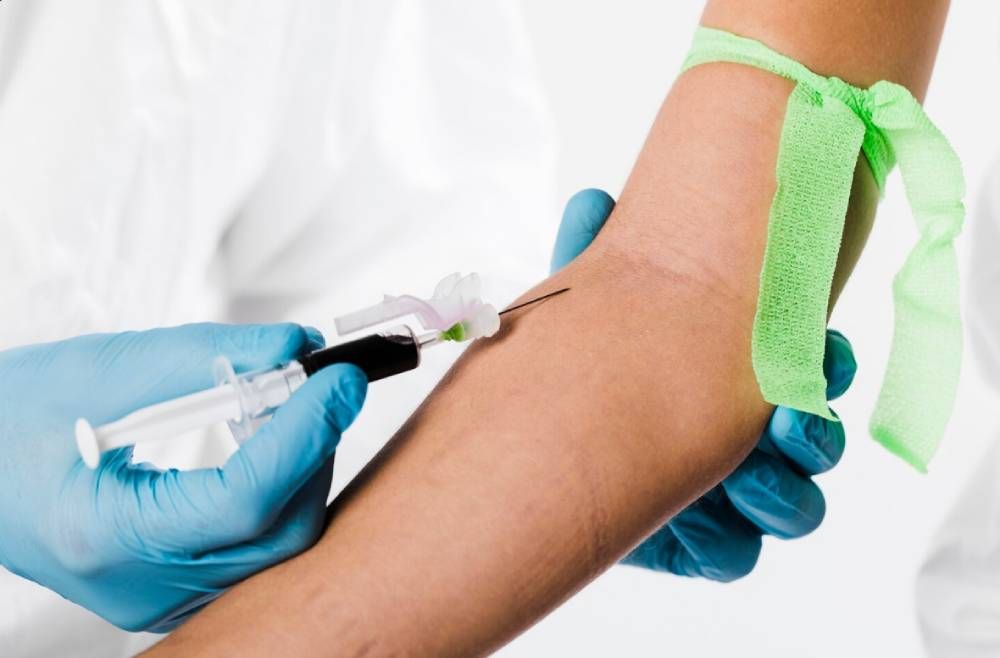
- A healthcare professional draws a blood sample from a vein, usually in the arm.
- The sample is sent to the laboratory.
- Depending on the lab, techniques may include:
- ELISA (enzyme-linked immunosorbent assay) for HBsAg, anti-HCV, and HIV antibodies/antigen
- Rapid tests in some settings for screening
- PCR-based tests (HCV RNA, HIV RNA, HBV DNA) for confirmation or viral load
The CDC and WHO recommend using validated, high-sensitivity assays and following standard testing algorithms, especially for HIV and hepatitis.
Results are usually available within 24–72 hours, depending on the lab and whether confirmatory testing is needed.
Interpretation of Results
Understanding what the H3 viral marker profile test results mean is crucial for both patients and clinicians.
1. HBsAg Test Result
- HBsAg Negative – No evidence of current hepatitis B infection. (If needed, anti-HBs can show immunity from vaccination or past infection.)
- HBsAg Positive – Indicates current HBV infection; further evaluation (HBV DNA, liver enzymes, additional serology) is needed to clarify acute vs chronic infection and need for treatment.
2. Anti-HCV (Hepatitis C) Result
- Anti-HCV Negative – No evidence of past or present infection in most cases.
- Anti-HCV Positive – Indicates exposure to hepatitis C. A follow-up HCV RNA test is required to confirm if the infection is active or resolved, per WHO and CDC recommendations.
3. HIV Antigen/Antibody Result
- Non-Reactive (Negative) – No evidence of HIV infection at the time of testing, though window periods must be considered.
- Reactive (Positive) – Requires confirmatory testing, such as a supplemental antibody differentiation assay and/or HIV RNA test, according to CDC and national algorithms.
The lab report and your clinician’s interpretation should always consider risk history, symptoms, and timing of possible exposure.
Viral Marker Test Cost and Accessibility
The cost of the H3 viral marker profile test varies by city, lab type (private vs government), and whether it is part of a larger health checkup. In many countries, public health programs and national viral hepatitis or HIV initiatives are working to reduce costs and expand free testing access, particularly for hepatitis B, hepatitis C, and HIV.
Some hospitals or government programs even offer free or subsidized HBsAg tests and HIV HCV testing for high-risk groups, pregnant women, or individuals with abnormal liver tests.
What To Do After an Abnormal Result
If the H3 viral marker profile test shows any positive marker, do not panic, but do act promptly.
1. Confirmatory Testing
- Positive HBsAg test: HBV DNA, liver function tests, additional serology (anti-HBe, etc.)
- Positive Anti-HCV: HCV RNA test to confirm chronic infection and guide therapy.
- Positive HIV Screen: Confirmatory antigen/antibody differentiation and HIV RNA test.
2. Specialist Referral
Referral to a hepatologist, infectious disease specialist, or HIV physician may be recommended to discuss:
- Stage of disease
- Need for antiviral or antiretroviral therapy
- Monitoring plans and lifestyle advice
WHO treatment guidelines for hepatitis B and C and national HIV guidelines provide evidence-based treatment pathways.
3. Vaccination and Prevention
- If you are negative for HBV and not immune, HBV vaccination is recommended.
- Counsel family members or partners to undergo HBsAg test and HIV HCV testing where appropriate.
4. Lifestyle and Safety Measures
After a positive result, your clinician may advise:
- Avoiding alcohol (especially in HBV/HCV)
- Safe sex practices and partner notification
- Avoiding needle sharing or unsafe injections
- Regular follow-up blood tests to monitor viral load and organ function
Why the H3 Viral Marker Profile Test Matters
The H3 viral marker profile test is more than a panel of lab values; it is a gateway to prevention, timely treatment, and reduced transmission. WHO estimates that millions of people worldwide live with chronic hepatitis B and C, many undiagnosed, and that HIV remains a significant global burden. Early testing is the first critical step to linking people with life-saving care.
By combining the HBsAg test with HIV HCV testing, the H3 panel makes viral screening more efficient, especially in high-risk groups, pre-operative patients, pregnant women, and blood donors.
If your doctor recommends an H3 viral marker profile test, view it as an important opportunity: understanding your status today can protect your health, and the health of those around you, for years to come.
Frequently Asked Questions
What viruses are tested in the H3 Viral Marker Profile?
The H3 Viral Marker Profile is a combined screening panel that checks for three blood-borne viral infections: Hepatitis B (via HBsAg test), Hepatitis C (via Anti-HCV test), and HIV (via HIV-1/2 antibody and p24 antigen combination test).
Why is the H3 Viral Marker test routinely ordered before surgery or during pregnancy?
Because Hepatitis B, Hepatitis C, and HIV can remain asymptomatic for years, screening ensures medical safety. During pregnancy, it helps prevent mother-to-child transmission through early interventions. Before surgery, it ensures precautions are taken to protect both the surgical team and other patients.
What does a positive result on the H3 Viral Marker Profile mean?
A positive or reactive result indicates exposure to or active infection with one of the viruses. However, screening tests require confirmation—such as an HCV RNA test for Hepatitis C, an HBV DNA viral load for Hepatitis B, or a supplemental differentiation assay for HIV—before a formal diagnosis is made.
Do I need to fast before taking the H3 Viral Marker test?
No, fasting is typically not required for an H3 Viral Marker Profile test. A simple blood sample is drawn from a vein in your arm, and results are generally available within 24 to 72 hours depending on whether secondary or confirmatory testing is needed.
Can a negative H3 test result be false during the window period?
Yes. If you were exposed to Hepatitis B, Hepatitis C, or HIV very recently, your body may not have produced detectable levels of antigens or antibodies yet. This timeframe is known as the window period. If recent exposure is suspected, your doctor may recommend retesting after a few weeks or ordering direct PCR RNA/DNA tests.
The H3 viral marker profile test is a comprehensive screening panel that checks for three major blood-borne viral infections: Hepatitis B, Hepatitis C, and HIV. These infections often remain silent for years. Without diagnosis and treatment, they can lead to chronic liver disease, cirrhosis, liver cancer, and AIDS. Early screening through the H3 viral marker profile test allows timely intervention, protects partners and families, and supports safer medical care.
This guide explains what the H3 viral marker profile test includes, who should get it, how the HBsAg test and HIV HCV testing are performed, how to interpret results, and what follow-up steps might be needed.
What Is the H3 Viral Marker Profile Test?
The H3 viral marker profile test is a bundled laboratory panel that typically includes:
- HBsAg test – for Hepatitis B
- HIV HCV testing – usually anti-HCV and HIV antigen/antibody tests
Each component looks for specific markers in the blood that indicate infection.
- Hepatitis B surface antigen (HBsAg) is a protein on the surface of the hepatitis B virus (HBV). Its presence usually indicates that a person is currently infected and potentially infectious.
- Hepatitis C virus (HCV) is detected either by anti-HCV antibodies or by viral RNA. The WHO and CDC recommend expanded hepatitis C testing in adults and pregnant women to enable earlier diagnosis and cure.
- HIV is usually diagnosed through a combination antigen/antibody test or antibody test, often confirmed with supplemental assays.
Because these three viruses share similar transmission routes, blood, sexual contact, and from mother to child, the H3 viral marker profile test offers a convenient, efficient way to screen for them together.
What does H3 Viral Marker Profile Includes
A standard H3 viral marker profile test usually covers the following:
1. HBsAg Test (Hepatitis B Surface Antigen)
The HBsAg test detects hepatitis B surface antigen in the blood. The presence of HBsAg indicates an ongoing HBV infection, acute or chronic. It is often the first serologic marker to appear after infection and plays a central role in HBV screening algorithms.
If positive, the HBsAg test may be followed by additional markers such as anti-HBs and anti-HBc to clarify stage of infection.
2. Anti-HCV Test
For HIV HCV testing, the H3 panel typically uses an anti-HCV antibody assay. This reveals whether a person has ever been exposed to hepatitis C. A positive result is usually followed by HCV RNA testing to confirm whether the infection is active, in line with WHO and CDC guidelines.
The HIV component of HIV HCV testing is commonly a fourth-generation combination test that detects both HIV-1/2 antibodies and p24 antigen. This improves early detection of infection compared to older antibody-only tests.
Together, these three tests within the H3 viral marker profile test provide a clear snapshot of a person’s status for HBV, HCV, and HIV.
Who Should Get Tested?
The H3 viral marker profile test is recommended in several situations where hidden infection risk is higher or consequences of missing infection are serious.
1. High-Risk Individuals
People with any of the following should strongly consider H3 viral marker profile test screening:
- History of unprotected sex or multiple sexual partners
- Intravenous drug use or needle sharing
- Past blood transfusions or organ transplants (especially before strict screening protocols)
- Healthcare workers with occupational exposures
- Partners of people known to be infected
Universal or expanded testing for hepatitis B, HCV, and HIV is increasingly recommended in many countries to identify undiagnosed infections.
2. Pregnant Women
International guidelines now recommend screening pregnant women for hepatitis B, hepatitis C, and HIV to prevent mother-to-child transmission.
The H3 viral marker profile test is often part of routine antenatal panels so that preventive measures, such as neonatal HBV vaccination, antiviral therapy for HCV or HBV, or antiretroviral therapy for HIV, can be implemented.
3. Pre-Surgery and Pre-Transplant Evaluation
Many hospitals perform H3 viral marker profile test screening before major surgery or organ transplantation. This helps protect both medical staff and other patients and allows for special precautions when needed.
4. Symptomatic Individuals
People with symptoms like unexplained fatigue, jaundice, weight loss, recurrent infections, or high liver enzymes may be advised to undergo an H3 viral marker profile test to rule out chronic HBV, HCV, or HIV.
5. Blood Donors and High-Burden Regions
Blood banks routinely use HBsAg tests and HIV HCV testing to ensure safe transfusions. Studies have highlighted the prevalence of HBV, HCV, and HIV among donors and the importance of sensitive screening methods.
How the H3 Viral Marker Profile Test Is Done
The procedure for the H3 viral marker profile test is simple and minimally invasive:
- A healthcare professional draws a blood sample from a vein, usually in the arm.
- The sample is sent to the laboratory.
- Depending on the lab, techniques may include:
- ELISA (enzyme-linked immunosorbent assay) for HBsAg, anti-HCV, and HIV antibodies/antigen
- Rapid tests in some settings for screening
- PCR-based tests (HCV RNA, HIV RNA, HBV DNA) for confirmation or viral load
The CDC and WHO recommend using validated, high-sensitivity assays and following standard testing algorithms, especially for HIV and hepatitis.
Results are usually available within 24–72 hours, depending on the lab and whether confirmatory testing is needed.
Interpretation of Results
Understanding what the H3 viral marker profile test results mean is crucial for both patients and clinicians.
1. HBsAg Test Result
- HBsAg Negative – No evidence of current hepatitis B infection. (If needed, anti-HBs can show immunity from vaccination or past infection.)
- HBsAg Positive – Indicates current HBV infection; further evaluation (HBV DNA, liver enzymes, additional serology) is needed to clarify acute vs chronic infection and need for treatment.
2. Anti-HCV (Hepatitis C) Result
- Anti-HCV Negative – No evidence of past or present infection in most cases.
- Anti-HCV Positive – Indicates exposure to hepatitis C. A follow-up HCV RNA test is required to confirm if the infection is active or resolved, per WHO and CDC recommendations.
3. HIV Antigen/Antibody Result
- Non-Reactive (Negative) – No evidence of HIV infection at the time of testing, though window periods must be considered.
- Reactive (Positive) – Requires confirmatory testing, such as a supplemental antibody differentiation assay and/or HIV RNA test, according to CDC and national algorithms.
The lab report and your clinician’s interpretation should always consider risk history, symptoms, and timing of possible exposure.
Viral Marker Test Cost and Accessibility
The cost of the H3 viral marker profile test varies by city, lab type (private vs government), and whether it is part of a larger health checkup. In many countries, public health programs and national viral hepatitis or HIV initiatives are working to reduce costs and expand free testing access, particularly for hepatitis B, hepatitis C, and HIV.
Some hospitals or government programs even offer free or subsidized HBsAg tests and HIV HCV testing for high-risk groups, pregnant women, or individuals with abnormal liver tests.
What To Do After an Abnormal Result
If the H3 viral marker profile test shows any positive marker, do not panic, but do act promptly.
1. Confirmatory Testing
- Positive HBsAg test- HBV DNA, liver function tests, additional serology (anti-HBe, etc.)
- Positive Anti-HCV- HCV RNA test to confirm chronic infection and guide therapy.
- Positive HIV Screen- Confirmatory antigen/antibody differentiation and HIV RNA test.
2. Specialist Referral
Referral to a hepatologist, infectious disease specialist, or HIV physician may be recommended to discuss:
- Stage of disease
- Need for antiviral or antiretroviral therapy
- Monitoring plans and lifestyle advice
WHO treatment guidelines for hepatitis B and C and national HIV guidelines provide evidence-based treatment pathways.
3. Vaccination and Prevention
- If you are negative for HBV and not immune, HBV vaccination is recommended.
- Counsel family members or partners to undergo HBsAg test and HIV HCV testing where appropriate.
4. Lifestyle and Safety Measures
After a positive result, your clinician may advise:
- Avoiding alcohol (especially in HBV/HCV)
- Safe sex practices and partner notification
- Avoiding needle sharing or unsafe injections
- Regular follow-up blood tests to monitor viral load and organ function
Why the H3 Viral Marker Profile Test Matters
The H3 viral marker profile test is more than a panel of lab values; it is a gateway to prevention, timely treatment, and reduced transmission. WHO estimates that millions of people worldwide live with chronic hepatitis B and C, many undiagnosed, and that HIV remains a significant global burden. Early testing is the first critical step to linking people with life-saving care.
By combining the HBsAg test with HIV HCV testing, the H3 panel makes viral screening more efficient, especially in high-risk groups, pre-operative patients, pregnant women, and blood donors.
If your doctor recommends an H3 viral marker profile test, view it as an important opportunity: understanding your status today can protect your health, and the health of those around you, for years to come.
Featured Articles
Diabetes Screening For Diagnosis And Prevention
Posted on: 25th Oct 2023

Eating To Recover: The Best Foods For Getting Back On Your Feet After Cholera
Posted on: 22nd Jan 2026

What A Complete Blood Count (CBC) Tells You About Your Health
Posted on: 22nd Jan 2026