Book a Home Collection Now!
Chikungunya Fever: Causes, Early Symptoms & Warning Signs
August 4, 2026 - By Lupin Diagnostics
If your joints suddenly ache so badly that standing upright feels impossible, chikungunya fever could be behind it. The name itself comes from the Kimakonde language, meaning "that which bends up", a nod to the stooped posture patients often develop. As of December 2024, 119 countries have reported local transmission. Here is what you need to know about this mosquito-borne illness.
What Is Chikungunya Fever and What Causes It?
Chikungunya virus (CHIKV) is an RNA virus belonging to the alphavirus genus of the Togaviridae family. Once it enters the body through a mosquito bite, it triggers intense joint pain and inflammation. Fever, muscle soreness, headache, nausea, fatigue, and rash often follow.
Primary causes of chikungunya fever are centred on mosquito transmission. Infected female Aedes aegypti and Aedes albopictus mosquitoes carry the virus. These species bite mainly during daylight hours: early morning and late afternoon. They breed in containers holding standing water: flower pots, old tyres, water tanks, and cooler trays commonly found in Indian homes.
Key transmission facts to remember:
- Both Aedes aegypti and Aedes albopictus are active in India.
- Stagnant water, even a small capful, is enough for breeding.
- Daytime biting makes bed nets alone insufficient protection.
What are the Early Chikungunya Fever Symptoms?
Chikungunya fever symptoms typically appear 3–7 days after a bite. The onset is usually sudden and hard to ignore.
Watch for these early signs:
- High fever: Often above 38.5 °C, arriving without warning.
- Severe joint pain: Usually bilateral and symmetric, affecting wrists, ankles, and knees equally on both sides.
- Skin rash: A flat, reddish rash (maculopapular) that may appear on the trunk and limbs.
- Headache and muscle pain: Often mistaken for a bad flu.
- Nausea or vomiting: Especially during the first few days.
- Conjunctivitis: Redness or irritation in the eyes.
Acute symptoms generally resolve within 7–10 days. However, joint pain can linger for weeks or even months in some people.
Also Read: Top Fever Tests Doctors Recommend During the Monsoon
Warning Signs, High-Risk Groups
Severe outcomes are rare but do occur. Young infants, elderly individuals, and those with existing health conditions face higher risk. Complications may involve the heart, central nervous system, or other organs. If you or a family member develops persistent high fever, unusual bleeding, or signs of confusion, consult a doctor without delay.
Chikungunya vs. Dengue vs. Zika: How to Tell the Difference
Because symptoms overlap, misdiagnosis is common. This quick comparison helps:
| Feature | Chikungunya | Dengue | Zika |
|---|---|---|---|
| Joint pain severity | Very high (+++) | Mild (+) | Moderate (++) |
| Fever intensity | High (+++) | High (+++) | Moderate (++) |
| Rash prominence | Moderate (++) | Mild (+) | Very high (+++) |
| Bleeding risk | Low | High | Low |
Joint pain is the strongest distinguishing sign of chikungunya. A laboratory test remains the only reliable way to confirm the diagnosis — speak with your healthcare provider.
Also Read: Malaria vs Dengue: Symptoms, Diagnostic Tests, and Prevention
How is Chikungunya Diagnosed and Treated?
Laboratory Diagnosis
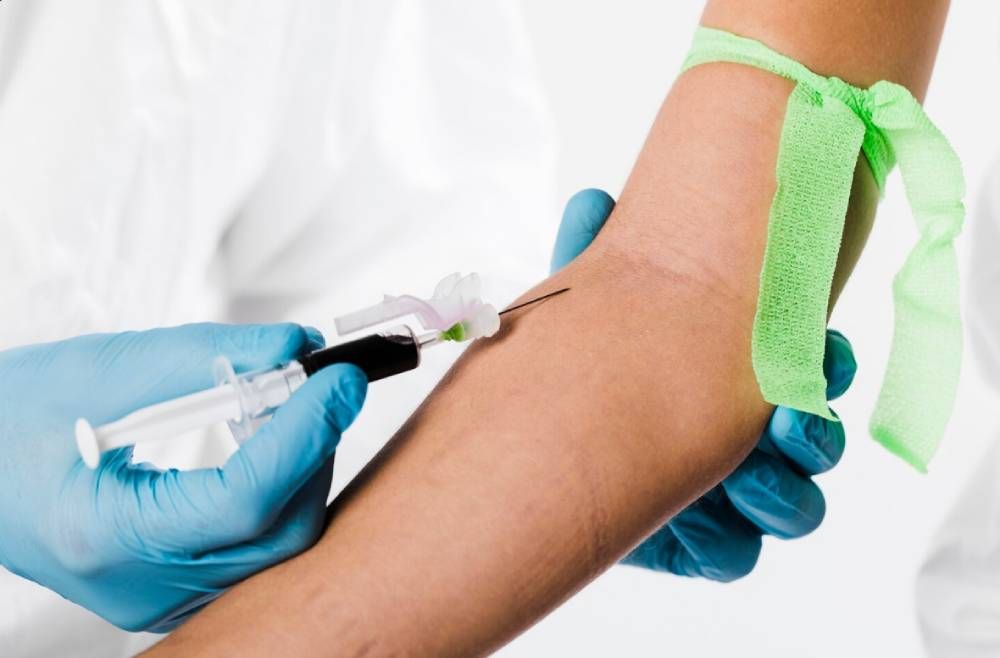
Two main blood tests help confirm infection:
- RT-PCR: Detects viral RNA during the first 8 days of illness.
- Serological tests (IgM/IgG): Detect antibodies that develop toward the end of the first week.
Chikungunya Fever Treatment
There is no specific antiviral medicine for chikungunya. Treatment focuses on supportive care:
- Rest: Give your body time to fight the virus.
- Fluids: Drink plenty of water, nimbu paani, and ORS.
- Paracetamol: The preferred first-line option for fever and pain.
- Avoid aspirin and NSAIDs: These may increase bleeding risk until dengue is ruled out.
Always confirm the right medication with your doctor before self-treating.
How Can You Prevent Chikungunya Fever?
Since no widely available vaccine exists yet, prevention means avoiding mosquito bites:
- Apply insect repellent containing DEET or picaridin on exposed skin.
- Wear long-sleeved shirts and full-length pants during the day.
- Install window and door screens at home.
- Empty all containers, such as coolers, pots, and buckets, that contain stagnant water weekly.
- Use permethrin-treated clothing when outdoors for long periods.
These steps also protect against dengue and Zika: a triple benefit.
Also Read: Fever Home Care Guide: Practical Tips for Families
Takeaway: Stay Alert, Act Early
Most people recover from chikungunya within a week or two. The real challenge is joint pain, which can persist for months. Recognising symptoms early, sudden fever paired with severe joint pain, and getting a blood test promptly makes a meaningful difference in how you manage recovery.
If you suspect chikungunya or want to rule out dengue, Lupin Diagnostics offers reliable blood tests at NABL-accredited labs and home collection services across India. Early testing brings early clarity.
Frequently Asked Questions
How to cure chikungunya fever?
There is no specific antiviral cure. Doctors recommend rest, plenty of fluids, and paracetamol to manage fever and pain.
Is chikungunya worse than dengue?
Chikungunya causes more intense joint pain, but dengue carries a higher risk of haemorrhage and shock. Neither should be taken lightly.
How long does chikungunya fever last?
Acute symptoms usually clear within 7–10 days. Some people experience lingering joint pain for months.
How is chikungunya transmitted?
Infected female Aedes aegypti and Aedes albopictus mosquitoes transmit the virus through daytime bites.
Can chikungunya virus be cured?
A permanent cure does not exist. Treatment is supportive, and most people recover fully within one to two weeks.
What are the first signs of chikungunya?
Sudden fever, joint pain, and headache appearing 3–7 days after a mosquito bite are the earliest signs.
What food to avoid in chikungunya?
There are no specific foods to avoid. Staying well hydrated and avoiding aspirin until dengue has been ruled out is standard guidance.
Who is most at risk for chikungunya?
Young babies, elderly individuals, and people with existing health conditions face the highest risk of severe illness.
This article is for informational purposes only and does not constitute medical advice, diagnosis, or treatment. Please consult a qualified healthcare professional for any health-related concerns or before making changes to your medication or care plan.
Featured Articles

Sleep Deprivation Effects How Poor Sleep Impacts Your Heart And Kidney Health
Posted on: 22nd Jan 2026

What A Complete Blood Count (CBC) Tells You About Your Health
Posted on: 22nd Jan 2026

Screen Time Fatigue And Vitamin D Deficiency The Hidden Connection You Shouldn T Ignore
Posted on: 22nd Jan 2026