Book a Home Collection Now!
How Fever Panels Help Identify The Root Cause Of Your Fever
September 18, 2024 - By Lupin Diagnostics
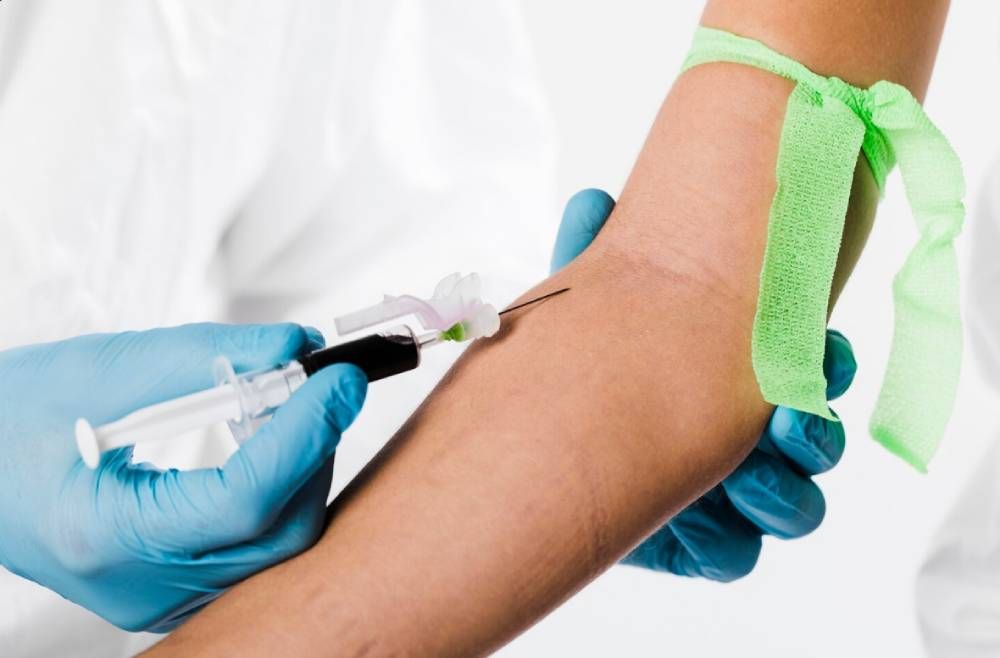
Fever can be an illness in itself or a symptom of another health condition, where the body temperature rises above normal, signaling that the immune system is actively fighting an infection. Fever can also result from side effects of certain medications or vaccinations. To uncover the causes of persistent fever and related symptoms, your healthcare provider may recommend a fever panel test to accurately diagnose the underlying cause and provide effective treatment. This test includes blood, urine, and nasal swab tests to identify the root cause of the fever.
Symptoms that accompany fever
The symptoms that accompany fever can vary from person to person, but the most common include:
- Elevated body temperature
- Chills
- Sweating
- Headaches
- Muscle aches
- Fatigue
- Weakness
Utility of Comprehensive Testing
A fever panel test involves comprehensive testing of blood and urine. The tests included are:
Complete Blood Count (CBC): This test provides an overview of the disease condition and general health of an individual. It is also used to identify blood cancers if there is an unexpected excess or shortage of specific blood cells. The parameters included in this test are:
Red Blood Cell Count (RBC): Measures the number of red blood cells, which transport oxygen throughout the body.
White Blood Cell Count (WBC): Determines the number of white blood cells, which defend the body against infections and foreign organisms.
Platelet Count: Measures the number of platelets, which are essential for blood clotting.
Hematocrit: Determines the proportion of red blood cells in the bloodstream.
Hemoglobin: Measures the amount of hemoglobin, a protein that carries oxygen or carbon dioxide in the blood.
Mean Corpuscular Volume (MCV): Indicates the average size of red blood cells.
Mean Corpuscular Hemoglobin Concentration (MCHC): Measures the concentration of hemoglobin in a given volume of red blood cells.
Red Cell Distribution Width (RDW): Assesses the variation in size or volume of red blood cells.
Percentage and Absolute Differential Counts: Determines the number of different types of white blood cells in the blood sample.
This comprehensive set of tests helps healthcare providers diagnose serious illnesses or complications arising from infections, ensuring timely and effective treatment.
Interpretation of results
| Parameters | Normal blood counts |
| RBC count (Male) | 4.7 to 6.1 million cells/mcL |
| RBC count (Female) | 4.2 to 5.4 million cells/mcL |
| WBC count | 4,500 to 10,000 cells/mcL |
| Platelet count | 150,000 to 450,000/dL |
| Hematocrit (Male) | 40.7% to 50.3% |
| Hematocrit (Female) | 36.1% to 44.3% |
| Hemoglobin (Male) | 13.8 to 17.2 gm/dL |
| Hemoglobin (Female) | 12.1 to 15.1 gm/dL |
| MCV | 80 to 95 femtoliter |
| MCHC | 32 to 36 gm/dL |
| RDW | 12% to 15% |
| DLC | 4000 to 10000 /mcL |
| MPV | 7 to 9 femtoliters |
| Neutrophils | 40% to 60% |
| Lymphocytes | 20% to 40% |
| Monocytes | 2% to 8% |
| Eosinophils | 1% to 4% |
| Basophils | 0.5% to 1% |
| Band | 0% to 3% |
- C-Reactive Protein (CRP) Quantitative: CRP Test is used to identify the presence of the amount of C-reactive protein (CRP) in the blood. The CRP is produced by the liver in response to inflammation.
Interpretation of results
| Range of CRP levels in milligrams per litre | Inference |
| 0.5-3.0mg/L | Normal |
| 3-10 mg/L | Normal or slightly elevated |
| 10-100mg/L | Moderately elevated |
| >100mg/L | Markedly elevated |
- Erythrocyte Sedimentation Rate (ESR): This test determines the levels of certain proteins present in the blood that interact with the levels of inflammation or infection present in the body.
Interpretation of results
| Parameters | Interpretation |
| Male < 50 years | < 15 mm/hr |
| Male > 50 years | < 20 mm/hr |
| Female < 50 years | < 20 mm/hr |
| Female > 50 years | < 30 mm/hr |
| Newborn | 0 to 2 mm/hr |
| Newborn to Puberty | 3 to 13 mm/hr |
- Antinuclear Antibodies (ANA): ANA Test detects antibodies that bind to the nucleus of cells. These antibodies, produced by the immune system, mistakenly target and bind to the body's own tissues.
Interpretation of results
| Parameters | Interpretation |
| Positive | Antinuclear antibodies are found in the blood sample. |
| Negative | No antinuclear antibodies were found in the blood sample. |
- Complete Urine Examination: This test determines the presence of abnormal substances in the urine. Several disorders present in the body can be easily detected by measuring the levels of these substances. Blood cells, pus cells, epithelial cells, bilirubin, and bacteria may be present in the urine that can cause kidney disease or infection.
Interpretation of results
| Parameters | Interpretation |
| Positive | Abnormal substances such as blood, bacteria, etc. were found in the urine sample. |
| Negative | No abnormal substances were found in the urine sample. |
- Tuberculin Skin Test: This test determines the presence of Mycobacterium tuberculosis bacteria in the body which causes tuberculosis (TB). The tuberculin fluid is injected into the lower part of the inner arm to check the body’s reaction after a period of 48 to 72 hours.
Interpretation of results
| Parameters | Interpretation |
| Positive | Presence of bacterium that causes TB. |
| Negative | Absence of bacterium that causes TB. |
- Interleukin-6: This test detects the levels of interleukin-6 (IL-6) in the blood. IL-6 is an endogenous cytokine that is produced in reaction to inflammation, infection, and injuries to the tissues. This test helps to diagnose rheumatoid arthritis and systemic lupus erythematosus which are autoimmune diseases.
Interpretation of results
| Parameter (Normal value) | Interpretation |
| <7pg/ml (picograms per milliliter) | Higher value: Indicates that the person is suffering from an inflammatory condition. Lower value: Confirms the presence of a less severe inflammatory response. |
Early Detection
The fever panel test aids in diagnosing fever, a common symptom of various diseases. Early detection enables healthcare providers to promptly identify the infection and treat it with broad-spectrum antibiotics, promoting faster recovery.
Monitoring and Management of Fever
The fever panel results help healthcare providers accurately diagnose the cause of the fever and customize treatment accordingly. Since fever symptoms can be linked to multiple illnesses, the test results offer a comprehensive understanding of the patient's health, allowing providers to make informed clinical decisions in a timely manner. The accuracy of these results also facilitates effective treatment monitoring and management. Continuous monitoring and timely care can lead to better patient outcomes.
Conclusion
A fever panel test is a crucial diagnostic tool that helps healthcare providers identify the root cause of a fever. The tests included in the panel assist in the differential diagnosis of diseases and ensure that the actual cause of the fever is treated. Early and accurate diagnosis allows healthcare providers to initiate a swift treatment plan, potentially leading to improved patient outcomes.
Featured Articles
Diabetes Screening For Diagnosis And Prevention
Posted on: 25th Oct 2023

Eating To Recover: The Best Foods For Getting Back On Your Feet After Cholera
Posted on: 22nd Jan 2026

What A Complete Blood Count (CBC) Tells You About Your Health
Posted on: 22nd Jan 2026