Book a Home Collection Now!
Top 6 Tests You Should Take Every 6 Months
September 11, 2026 - By Lupin Diagnostics
Your blood sugar could shift from normal to prediabetic in just a few months. Many conditions like diabetes and high blood pressure stay silent in early stages. Knowing the test that is required every 6 months helps you catch these changes before they become serious. This guide walks you through six essential blood tests worth repeating twice a year.
Who Needs Testing Every 6 Months Instead of Annually?
Annual health check-ups work well for many people. However, certain groups benefit from a bi-annual health checkup cycle. India's NPCDCS recommends screening for individuals aged 30 and above for early detection of diabetes and hypertension.
Here are the groups that benefit most from 6-monthly testing:
- People over 30 with a family history of chronic conditions
- Those managing diabetes, thyroid issues, or high blood pressure
- Individuals on long-term medications needing regular monitoring
- Anyone making major dietary or lifestyle changes
Your doctor can help decide the right testing frequency for your situation.
Also Read: Top 10 Blood Tests You Should Get Annually for Better Health
What Are the Top Blood Tests You Should Get in Every 6 Months?
These six panels cover your metabolic, cardiovascular, and organ health. Together, they paint a clear picture of how your body is doing.
1. Fasting Blood Glucose and HbA1c Test
The HbA1c test reflects your average blood sugar over three months. The most recent six weeks influence the result most. Here is why this test matters every six months:
- A fasting blood sugar reading shows your glucose level at that moment
- HbA1c reveals the bigger trend, catching prediabetes early
- For stable type 2 diabetes patients meeting their goals, 6-monthly HbA1c monitoring works as effectively as quarterly testing
- Helps evaluate whether dietary changes are actually working
2. Lipid Profile (Cholesterol and Triglycerides)
Your lipid profile test tracks LDL, HDL, and triglyceride levels. Testing intervals longer than six months may raise stroke risk among people on statins. Key points include:
- Identifies cardiovascular risk before symptoms appear
- Helps your doctor adjust heart-related medications if needed
- Requires 9 to 12 hours of fasting for accurate baseline readings
- Useful for evaluating heart-healthy diet changes over time
3. Thyroid Profile (TSH, Free T3 and Free T4)
A thyroid function test (TSH) is essential for anyone experiencing unexplained weight changes or fatigue. TSH values shift slowly after medication adjustments. Consider these points:
- TSH should be rechecked at least 6 weeks after any dosage change
- People with subclinical thyroid issues benefit from 6 to 12 monthly monitoring
- Tracks whether your thyroid medication is working optimally
- Especially relevant for women, who face higher thyroid disorder rates
Speak with your doctor before adjusting any thyroid medication based on results.
4. Liver Function Test (LFT) and Kidney Function Test (KFT)
Your liver function test (LFT) checks ALT, AST, and bilirubin levels. One study found that about one-third of all LFT results tested were abnormal. A kidney function test (KFT) measures serum creatinine and BUN.
- LFT helps monitor early fatty liver reversal and medication side effects
- KFT detects subtle kidney changes in people with diabetes or hypertension
- Chronic kidney disease is heavily underdiagnosed; only 12.1% of CKD patients were identified in one large study
- Both tests require minimal preparation and offer significant insights
5. Complete Blood Count (CBC) With Differential
The complete blood count (CBC) test is among the most commonly performed lab tests. It measures haemoglobin, red and white blood cells, and platelets. Here is what it reveals:
- Detects anaemia; normal haemoglobin is 13.8–17.2 g/dL in men and 12.1–15.1 g/dL in women
- Flags chronic inflammation or immune weakness early
- Tracks recovery from infections or nutritional deficiencies
- Typically requires no fasting, making it easy to schedule
Also Read: Full Body Health Checkup: Test List, Normal Ranges & Meaning
Bi-Annual Testing Quick Reference Table
This table summarises fasting needs and purpose for each test:
| Test Name | Key Biomarkers | Primary Purpose | Fasting Required | Best For |
|---|---|---|---|---|
| Fasting Glucose and HbA1c | Blood glucose, HbA1c | Blood sugar trend monitoring | Yes (10–12 hours for glucose) | Prediabetes or diabetes risk |
| Lipid Profile | LDL, HDL, triglycerides | Cardiovascular risk assessment | Yes (10–12 hours) | Heart disease risk groups |
| Thyroid Profile test | TSH, Free T3, Free T4 | Thyroid hormone tracking | Usually not required | Weight fluctuations, fatigue |
| LFT | ALT, AST, bilirubin | Liver health monitoring | May be recommended | Fatty liver, medication users |
| KFT | Creatinine, BUN | Kidney filtration tracking | Usually not required | Diabetes, hypertension patients |
| CBC | Haemoglobin, WBC, platelets | Blood health evaluation | Usually not required | General health screening |
How Should You Prepare for Bi-Annual Blood Work?
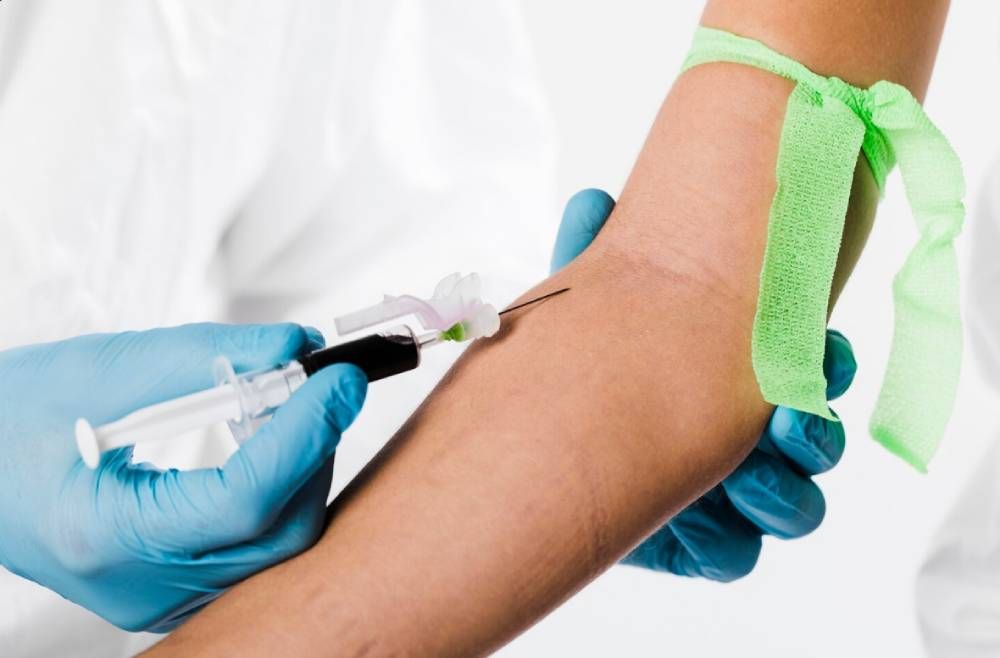
Good preparation ensures accurate results. Follow these practical tips for your bi-annual blood work appointments:
- Fast for 10 to 12 hours before lipid and glucose tests; avoid fasting longer than 12 hours
- Stay well hydrated with plain water during the fasting window
- CBC and thyroid tests typically need no special preparation
- Maintain a digital record or diary of your results over time
- Compare trends across reports rather than focusing on isolated numbers
Always discuss any significant changes in your reports with your doctor.
Take Charge With Consistent Preventive Health Screening
Building a consistent habit of tests required every 6 months puts you in control. These six panels together cover your sugar, heart, thyroid, liver, kidney, and blood health. Small shifts caught early are far easier to manage than advanced problems.
Ready to start your preventive health screening? Lupin Diagnostics offers all these tests at NABL-accredited labs and convenient home collection services across India. Book your health check-up today and make six-monthly screening a lasting habit.
Frequently Asked Questions
Why is a 6-month blood test recommended instead of an annual checkup?
Six-monthly testing catches changes during medication adjustments or when health targets are not being met. It is especially useful for people managing chronic conditions like diabetes or high blood pressure.
Do healthy individuals without symptoms need blood tests every 6 months?
Healthy adults without risk factors may do well with annual screening. Six-month intervals are primarily recommended for those with chronic conditions, a family history of disease, or specific risk factors.
Which blood test shows overall health status every 6 months?
A CBC is one of the most widely performed tests and provides a broad view of your blood cell health. It can flag anaemia, infections, and immune issues in a single report.
How long do you need to fast before a 6-month routine blood test?
For lipid and glucose tests, fast for at least 8 hours, though 10 to 12 hours is ideal. Tests like CBC and thyroid panels usually need no fasting at all.
Can blood test results fluctuate significantly over 6 months?
Yes, results can vary due to dietary changes, medications, stress, or illness. For instance, an HbA1c of 7.5% may represent a true value anywhere between 6.8% and 8.2% due to natural variation.
Will insurance cover blood tests conducted twice a year?
Coverage depends entirely on your insurer and policy terms. Check with your insurance provider about preventive screening benefits before scheduling.
This article is for informational purposes only and does not replace professional medical advice, diagnosis, or treatment. Please consult a qualified healthcare provider for any medical concerns or before making changes to your health routine.
Featured Articles

Dehydrated How To Make A Lifesaving Diy Rehydration Drink For Cholera Recovery
Posted on: 22nd Jan 2026
Diabetes Screening For Diagnosis And Prevention
Posted on: 25th Oct 2023

Eating To Recover: The Best Foods For Getting Back On Your Feet After Cholera
Posted on: 22nd Jan 2026