Book a Home Collection Now!
Platelet Count Drop: What Tests Should You Take?
August 20, 2026 - By Lupin Diagnostics
A small cut that won't stop bleeding or bruises appearing without reason can be unsettling. These signs often point to a platelet count drop, and figuring out the cause early makes all the difference. Platelets are tiny blood cells that help your body form clots and heal wounds. This article walks you through low platelet count causes and which diagnostic tests can help identify the reason.
What Is a Normal Platelet Count?
A healthy platelet count sits between 150,000 and 450,000 per microlitre of blood. A mild dip (100,000–150,000/µL) usually causes no symptoms at all. Once counts fall to 50,000–100,000/µL, you might notice easy bruising. Below 10,000/µL, spontaneous bleeding can occur even without an injury. Surgical procedures generally carry higher bleeding risk below 50,000/µL.
Your doctor uses these ranges to decide how urgently you need further testing. Even a moderate drop deserves investigation.
What Causes a Low Platelet Count?
Understanding what causes a low platelet count helps your doctor choose the right tests. Platelet drops broadly happen through three mechanisms.
1. Reduced Bone Marrow Production
Your bone marrow is the factory where platelets are made. Several factors can slow this factory down:
- Viral infections such as dengue, chikungunya, HIV, and hepatitis C can suppress marrow function.
- Deficiencies in vitamin B12 or folate starve the marrow of raw materials.
- Blood cancers like leukaemia crowd out healthy platelet-producing cells.
- Chemotherapy medicines can temporarily shut down marrow activity.
2. Increased Platelet Destruction or Autoimmune Breakdown
Sometimes the immune system mistakenly attacks healthy platelets. Key triggers include the following:
- Immune thrombocytopenia (ITP), where IgG autoantibodies target circulating platelets
- Autoimmune conditions such as lupus (SLE)
- Certain medications that trigger drug-induced destruction
3. Spleen Sequestration and Trapping
An enlarged spleen can trap platelets instead of releasing them. In severe cases of spleen sequestration, up to 90% of the body's platelet mass may get held in the spleen. Liver cirrhosis and chronic infections are common causes behind this enlargement.
Which Tests Help Diagnose Platelet Disorders?
Once a low count shows up, doctors need to find the root cause. Here are the essential diagnostics for platelet disorders:
1. Complete Blood Count and Peripheral Blood Smear
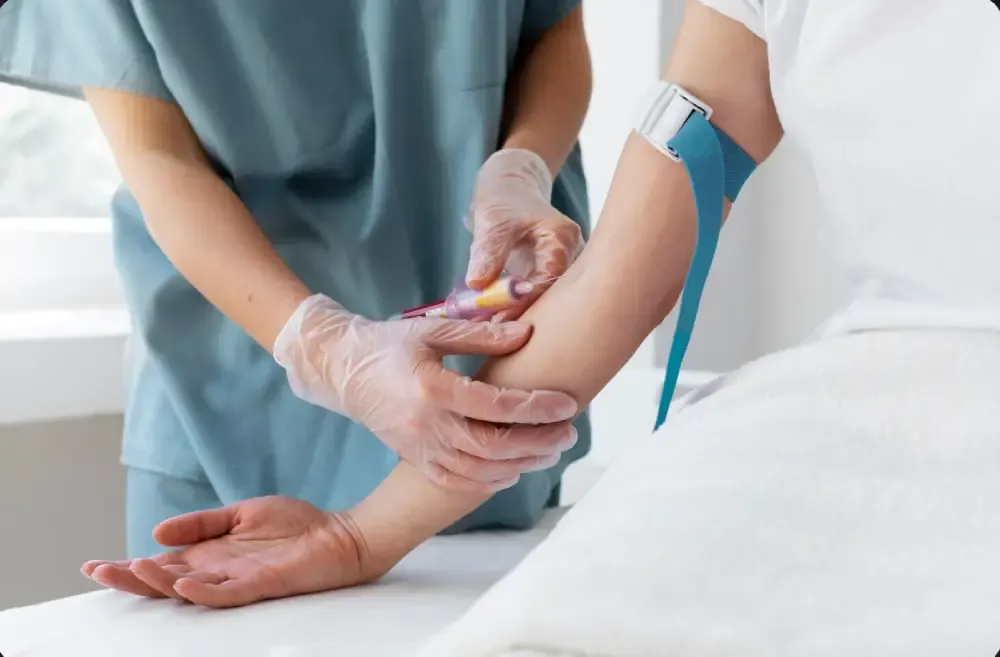
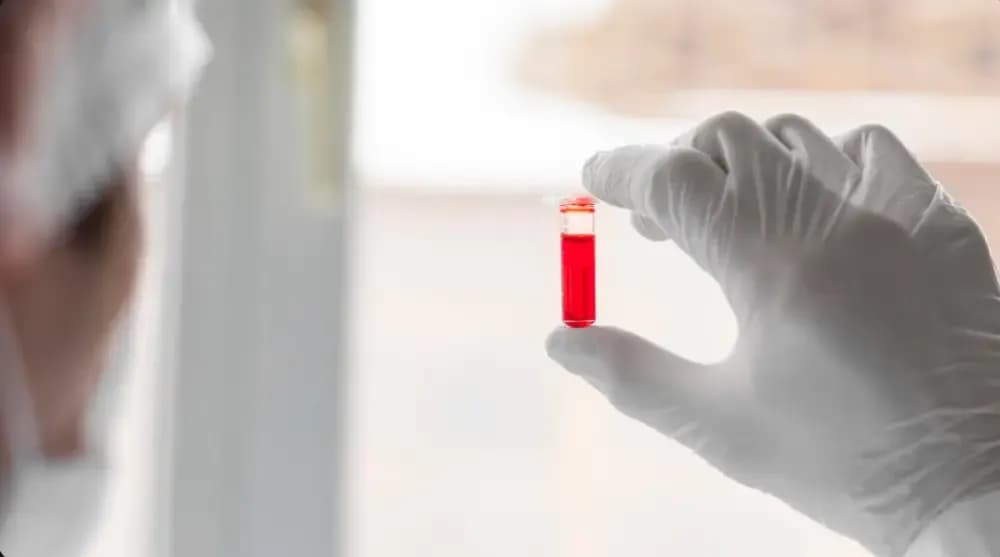
A complete blood count (CBC) is the first test your doctor will order. It measures platelet numbers along with red and white blood cell levels. A peripheral blood smear adds a microscopic look at platelet size and shape, helping spot abnormal destruction patterns.
2. Viral Fever and Infection Panels
Fever with a platelet drop often points toward infection. Tests typically include:
- Dengue NS1 antigen and IgM antibody tests
- Malaria parasite smear
- Hepatitis B and C screening
- HIV testing
Dengue is one of the most common infectious triggers for falling platelets in India.
3. Autoimmune Disease Marker Tests
When bruising appears without fever or infection, autoimmune causes move up the list. Key markers include antinuclear antibodies (ANA), anti-platelet antibodies, and rheumatoid factor.
4. Liver and Kidney Function Panels
Liver disease reduces a hormone called thrombopoietin that stimulates platelet production. LFT and KFT panels help detect cirrhosis, portal hypertension, or kidney-related conditions.
5. Bone Marrow Aspiration and Biopsy
A bone marrow evaluation is not routine for everyone. Doctors reserve it for cases where blood cancers, aplastic anaemia, or unexplained marrow failure are suspected. It is typically a second-line test after initial blood work.
How Do You Match Symptoms to the Right Test?
Different symptom patterns point toward different tests. This table can help you and your doctor narrow things down:
| Symptom Pattern | Recommended Tests | What They Check |
|---|---|---|
| Sudden fever with joint or body pain | CBC, Dengue NS1/IgM, Malaria smear | Infectious causes |
| Unexplained bruising without fever | CBC, Peripheral blood smear, ANA, Anti-platelet antibodies | Autoimmune platelet destruction |
| Known liver disease or abdominal swelling | CBC, LFT, Ultrasound abdomen | Splenomegaly, portal hypertension |
| Persistent low counts with no clear cause | CBC, Bone marrow aspiration and biopsy | Marrow disorders, malignancies |
| Fatigue with pale skin and low platelets | CBC, Vitamin B12, Folate levels | Nutritional deficiencies |
When Should You Visit an Emergency Room?
Certain bleeding signs need immediate medical attention. Seek emergency care if you experience:
- Uncontrolled nosebleeds or bleeding gums that do not stop
- Petechiae, which are tiny red or purple spots under the skin
- Blood in your stool or urine
- Unusually heavy menstrual bleeding
- Severe headache with vision changes, which may signal brain bleeding
If you notice any of these symptoms, reach a hospital without delay. Early intervention can prevent serious complications.
Taking the Right Step at the Right Time
A low platelet count is a symptom, not a disease by itself. The right tests reveal the real problem underneath. Whether it is a viral infection, an autoimmune condition, or a nutritional gap, timely diagnosis shapes effective treatment. Early testing through a reliable lab can make all the difference.
If you or a family member has noticed unusual bruising or received an abnormal blood report, getting tested early makes all the difference. Lupin Diagnostics offers a comprehensive range of blood tests at NABL-accredited labs and convenient home collection across India.
Frequently Asked Questions
How fast can a platelet count drop during an acute infection?
During dengue, platelet counts can fall to less than 30,000 per microlitre within days of symptom onset. The speed depends on the severity of the infection and individual immune response.
Can a simple blood test distinguish between ITP and dengue fever?
A CBC alone cannot tell them apart. Doctors use additional viral testing such as dengue NS1 and IgM alongside clinical history to differentiate between the two conditions.
What food or drink can help naturally support platelet recovery during treatment?
Foods rich in vitamin B12, folate, and iron, such as dal, spinach, and curd, support platelet production. However, diet alone cannot treat severe thrombocytopenia, and medical treatment remains essential.
Does taking pain relievers like aspirin or ibuprofen worsen low platelet bleeding?
Yes. Aspirin blocks a key enzyme involved in clot formation, and NSAIDs are among the most common inhibitors of platelet function. Always inform your doctor about any medicines you are taking.
How long does it take for platelet levels to normalise after treating the underlying cause?
In medicine-induced cases, platelet counts typically recover within several days to two weeks after stopping the suspected medication. Other causes may take longer depending on treatment response.
Is a bone marrow biopsy always required to diagnose platelet disorders?
It is not always needed. A bone marrow biopsy is reserved for cases where the cause remains unclear after initial blood tests or when a blood cancer is suspected.
This article is for informational and educational purposes only. It does not replace professional medical advice, diagnosis, or treatment. If you have concerns about your platelet count or any related symptoms, please consult a qualified healthcare provider for personalised guidance.
Featured Articles
Eating To Recover: The Best Foods For Getting Back On Your Feet After Cholera
Posted on: 22nd Jan 2026
What A Complete Blood Count (CBC) Tells You About Your Health
Posted on: 22nd Jan 2026

Constant Fatigue? Here’s What Your Blood Test Might Reveal
Posted on: 22nd Jan 2026