Book a Home Collection Now!
Platelet Disorders: Types, Symptoms & Treatment
June 9, 2026 - By Lupin Diagnostics
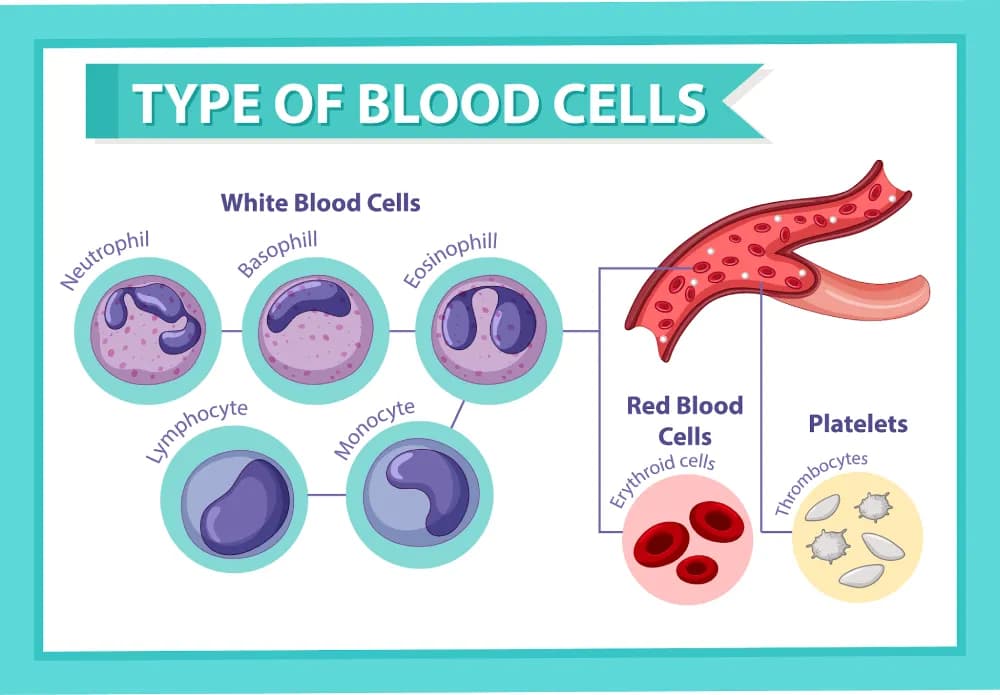
Every time you get a small cut, tiny cell fragments called platelets rush to the spot and clump together to stop the bleeding. Platelet disorders disrupt this process, either because your body makes too many, too few, or poorly functioning platelets. This article walks you through the main types, warning signs, and management of these conditions.
What Are Platelet Disorders?
These are conditions in which your body's normal blood clotting process breaks down. A healthy adult carries between 150,000 and 400,000 platelets per microlitre of blood. When counts fall outside this range, or platelets don't work properly, problems arise.
Doctors broadly sort platelet disorders into two categories:
Quantitative disorders involve abnormal platelet counts. A count below 150,000/µL is called thrombocytopenia (low platelets). A count above 400,000/µL is called thrombocytosis (high platelets).
Qualitative disorders involve platelet dysfunction, in which platelet counts may appear normal, but platelets fail to aggregate effectively.
Understanding which category applies helps doctors choose the right tests and treatment path.
What Are the Core Types of Platelet Disorders?
Thrombocytopenia (Low Platelets)
When platelet counts dip below 150,000/µL, your body struggles to form clots. Even minor injuries may bleed longer than expected. This is the most common platelet issue and is usually acquired rather than inherited.
Several factors can trigger it:
- Autoimmune responses, such as Immune Thrombocytopenia (ITP)
- Certain medications, including heparin
- Infections or bone marrow conditions
- Pregnancy or an enlarged spleen
Thrombocytosis (High Platelets)
Too many platelets can be just as risky. Excess platelets may form unwanted clots inside blood vessels. Roughly 88-97% of cases are reactive, triggered by infections, inflammation, or iron deficiency. Only a small fraction are primary, meaning the bone marrow overproduces platelets on its own.
Platelet Dysfunction (Qualitative Defects)
Sometimes counts are fine, but the platelets simply don't stick together well. Inherited conditions such as Bernard-Soulier syndrome cause unusually large platelets that fail to bind properly, leading to prolonged bleeding even from small wounds.
Key Differences: High vs. Low Platelet Counts
| Feature | Low Platelets (Thrombocytopenia) | High Platelets (Thrombocytosis) |
|---|---|---|
| Platelet Count | Below 150,000/µL | Above 400,000/µL |
| Primary Risk | Excessive bleeding | Unwanted blood clots |
| Severe Threshold | Below 10,000/µL — risk of spontaneous bleeding | Varies by cause and clot risk |
| Common Triggers | Autoimmune conditions, medications, and infections | Infections, inflammation, and bone marrow disorders |
What Symptoms of Platelet Disorders Should You Watch For?
Symptoms of platelet disorders often show up on the skin first. Your body gives visible clues when platelets aren't working as they should.
Watch for these common signs:
- Petechiae: Tiny red or purple dots on the skin caused by bleeding underneath
- Purpura: Larger reddish-brown patches from deeper bleeding under the skin
- Frequent nosebleeds that are hard to stop
- Bleeding gums, especially during brushing
- Unusually heavy menstrual periods
- Blood in urine or stool: Dark or black-coloured stool can be a sign
With high platelet counts, symptoms may lean toward clotting issues, such as numbness, headaches, or limb swelling. If you notice any of these signs persisting, speaking with your doctor early can make a real difference.
How Do Doctors Diagnose Platelet Conditions?
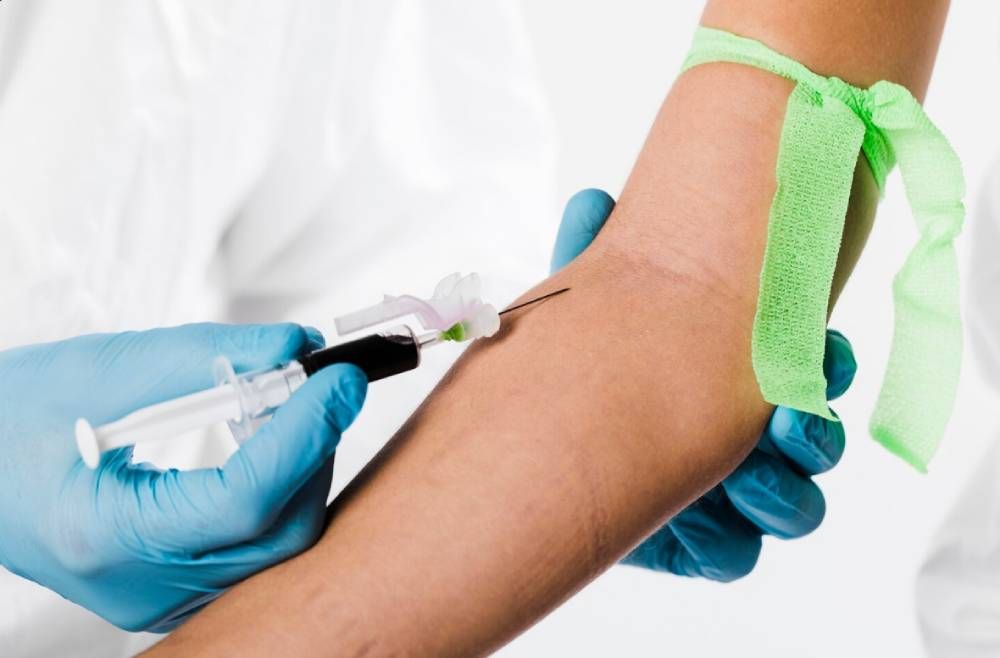
Diagnosis usually starts with a simple blood test. Your doctor may order:
- Complete Blood Count (CBC): This measures your platelet count along with other blood cells
- Peripheral blood smear: A lab technician examines your blood under a microscope to check platelet size and shape
- Bone marrow tests: If initial results are unclear, this helps determine whether the bone marrow is producing platelets normally
These tests are quick, widely available, and offered at most diagnostic centres across India.
What Is the Treatment for Platelet Disorders?
Managing Low Platelet Counts
Treatment depends on the cause and severity. For conditions such as ITP, doctors often begin with corticosteroids such as prednisone. If medicines alone don't help, other options include immunosuppressants, platelet transfusions for acute bleeding, or surgery to remove the spleen in severe cases. Your haematologist will determine the best approach based on your specific condition.
Managing High Platelet Counts
For those at low risk of clots, low-dose aspirin may be enough. Higher-risk patients might need platelet-lowering medicines such as hydroxyurea alongside aspirin. Reactive thrombocytosis often resolves once the underlying trigger, like an infection, is treated. Dosage and medication choices should always be guided by your treating doctor.
Everyday Precautions for Bleeding Risks
Small lifestyle changes can lower the chance of bleeding complications:
- Avoid over-the-counter pain relievers like ibuprofen or aspirin unless your doctor approves
- Use a soft-bristle toothbrush to protect your gums
- Limit alcohol, as it can damage bone marrow and reduce platelet production
- Steer clear of high-contact sports if your counts are low
Stay Ahead With Early Detection
Platelet disorders range from mild conditions needing only monitoring to serious issues requiring active treatment. The key takeaway? Most are highly manageable when caught early through routine blood tests. Knowing your platelet count is a simple first step toward staying in control.
If you'd like to check your platelet levels or book a Complete Blood Count, Lupin Diagnostics offers convenient testing at NABL-accredited labs and home collection services across India.
Frequently Asked Questions
What is a normal platelet count range in a healthy adult?
A normal platelet count ranges from 150,000 to 400,000 platelets per microlitre of blood. Counts outside this range may need further evaluation by a doctor.
Can stress or a poor diet cause your platelet levels to drop?
Lifestyle factors such as heavy alcohol consumption can damage bone marrow and lower platelet production. While stress alone isn't a direct cause, it can worsen underlying conditions.
Is a platelet disorder considered a form of cancer?
Most platelet disorders are not cancerous. Around 88–97% of high platelet cases are reactive, meaning they're triggered by another condition, such as infection or inflammation.
How long does it typically take for someone with a low platelet count to recover?
Recovery varies widely by cause. In medicine-related cases, counts often return to baseline within several days to 2 weeks after stopping the triggering medication.
Can you live a normal life with a chronic platelet disorder?
Many people with mild platelet disorders lead full, active lives without needing treatment. Regular monitoring and following your doctor's guidance are usually sufficient.
Are platelet disorders hereditary, or are they always acquired later in life?
They can be either. Some conditions, like Bernard-Soulier syndrome, are inherited, while others develop later due to medications, infections, or autoimmune responses.
This article is for informational and educational purposes only. It is not a substitute for professional medical advice, diagnosis, or treatment. If you have concerns about your platelet levels or related symptoms, please consult a qualified healthcare provider.
Featured Articles

Dehydrated How To Make A Lifesaving Diy Rehydration Drink For Cholera Recovery
Posted on: 22nd Jan 2026
Diabetes Screening For Diagnosis And Prevention
Posted on: 25th Oct 2023

Eating To Recover: The Best Foods For Getting Back On Your Feet After Cholera
Posted on: 22nd Jan 2026