Book a Home Collection Now!
Monsoon & Malaria: Why Cases Spike During Rainy Season in India
August 14, 2026 - By Lupin Diagnostics
The monsoon brings welcome relief from India's scorching summer. But those cooling showers also set the stage for a familiar health threat. Understanding why cases spike during rainy season in India helps families stay one step ahead of malaria. This article breaks down the science, symptoms, and practical steps to protect your household.
The Science Behind Mosquito Breeding During Monsoons
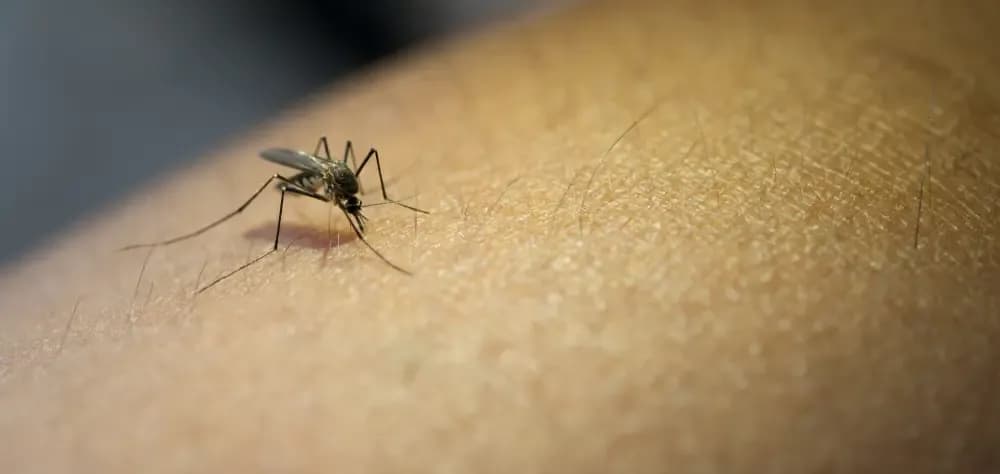
Malaria spreads through bites from infected female Anopheles mosquito breeding sites multiply rapidly once the rains arrive. These mosquitoes lay eggs in still, clean water. Within 24–48 hours, larvae hatch and develop over 4 to 14 days.
During monsoons, water collects in everyday spots most people overlook:
- Potholes and construction site puddles
- Uncovered rooftop tanks and discarded tyres
- Clogged drains, open pits, and paddy fields
- Flower pots, cooler trays, and broken containers
Each of these becomes a nursery for the next generation of mosquitoes. A single overlooked puddle near your home can produce hundreds of insects within two weeks.
What Key Factors Drive the Monsoon Malaria Spike?
Several conditions come together during the rainy season, creating a perfect storm for malaria transmission.
1. Ideal Humidity and Temperature
The Plasmodium parasite needs warm conditions to mature inside the mosquito. Below 20°C, the parasite cannot complete its growth cycle. Monsoon temperatures of 20–30°C and humidity levels of 70–80% are ideal. These conditions also help mosquitoes live longer, giving the parasite more time to develop.
2. Urban Waterlogging and Poor Drainage
Indian cities and towns often struggle with stagnant rainwater during heavy spells. Overflow from drains, uncollected water at construction sites, and flooded lanes near residential areas all add to the problem. Even after the main monsoon months, lingering puddles from October to December keep breeding grounds active.
3. Increased Human Exposure
Certain habits significantly elevate exposure risk during the monsoon disease surge:
- Open windows and doors for ventilation invite mosquitoes indoors
- Frequent power outages disable fans and electric repellent devices
- Evening outdoor activities overlap with peak Anopheles biting hours
Also Read: Monsoon Fevers: Common Causes and Diagnostic Panels
How Can You Recognise Malaria Symptoms Early?
Catching malaria early makes a significant difference in recovery. Symptoms typically appear 10–15 days after the mosquito bite. Here is how early signs differ from severe warning signals:
| Stage | Signs to Watch For |
|---|---|
| Early symptoms | Cyclical high fever, chills and shivering, headache, sweating |
| Severe red flags | Jaundice, dark urine, extreme fatigue, confusion, seizures, difficulty breathing |
If you notice cyclical fever with chills during monsoon, a blood test can confirm the diagnosis quickly. Please seek immediate medical attention if you notice any severe symptoms.
Malaria vs. Dengue vs. Chikungunya: How Do You Tell Them Apart?
All three diseases surge during the monsoon, which makes fever screening essential. This comparison helps you understand the differences:
| Feature | Malaria | Dengue | Chikungunya |
|---|---|---|---|
| Mosquito vector | Anopheles (female) | Aedes | Aedes |
| Peak biting time | Dusk to dawn | Daytime | Daytime |
| Fever pattern | Cyclical (every 48–72 hours) | High, continuous (2–7 days) | Sudden onset, high |
| Key signs | Chills, sweating cycles | Skin rash, body pain | Severe joint pain |
| Recommended test | Blood smear / RDT | NS1 antigen / serology | Serology |
All three share a tropical monsoon season window. However, the mosquito type and biting time offer useful clues. Only a qualified healthcare provider can confirm a diagnosis through appropriate blood tests.
Effective Prevention Measures: Protecting Your Family This Monsoon
Vector-borne disease prevention starts right at home. Here are practical steps that work:
- Remove standing water weekly from cooler trays, pots, tyres, and rooftop tanks
- Use long-lasting insecticidal nets (LLINs) over beds, especially for children and pregnant women
- Apply DEET-based repellents for up to 12 hours of protection
- Install mesh screens on windows and doors to block entry during ventilation
- Wear full-sleeved clothing during evening and night hours
Also Read: Top Fever Tests Doctors Recommend During the Monsoon
Community & Government Initiatives for Vector Control in India
India has achieved remarkable gains in malaria control, with an 80.5% reduction in cases between 2015 and 2023, resulting in its removal from the WHO’s High Burden to High Impact (HBHI) group in 2024.
Key public health efforts driving this include the following:
- Indoor residual spraying (IRS) in high-burden districts
- LLIN distribution to vulnerable communities in endemic states
- Municipal larviciding and fogging drives before and during monsoon
- Early screening campaigns using rapid diagnostic tests (RDTs) and microscopy at primary health centres
These efforts work best when communities participate actively in eliminating breeding sites around homes.
Conclusion
Understanding why malaria cases spike during rainy season in India comes down to three things: ideal breeding conditions, faster parasite development, and greater human exposure. Simple, consistent steps like removing stagnant water and using bed nets can dramatically lower risk. Getting a timely blood test at the first sign of fever remains your strongest defence.
If monsoon fever has you concerned, Lupin Diagnostics offers reliable malaria screening and fever panel tests at NABL-accredited labs and convenient home collection services across India.
Frequently Asked Questions
At what time of day are malaria mosquitoes most active in India?
Female Anopheles mosquitoes typically bite late in the evening and through the night. Using bed nets and repellents during these hours offers the best protection.
How soon after a mosquito bite do malaria symptoms usually appear?
Most people develop symptoms within 10 to 15 days, though the incubation period can range from 7 to 30 days. Seek a blood test if you develop fever during or after the monsoon.
Can you get infected with both dengue and malaria at the same time?
Yes, concurrent dengue and malaria infections can occur in areas where both diseases are common. A comprehensive fever panel blood test can help identify co-infections accurately.
Why do malaria cases peak in late monsoon rather than the first heavy rains?
Mosquito populations need time to build up. Water collecting in pits and puddles from October to December creates additional breeding grounds that sustain transmission well after the main rains end.
Which blood test is most accurate for detecting malaria fever early?
Malaria blood smear microscopy is the WHO-recommended method. It identifies the specific Plasmodium species and measures parasite levels. Rapid diagnostic tests (RDTs) offer a quicker alternative. Your doctor will recommend the most suitable option based on your situation.
Do natural repellents like neem oil work as effectively as DEET against Anopheles mosquitoes?
DEET-based repellents provide over 96% protection, while 20% neem oil offers roughly 70% protection for about three hours. DEET remains the more effective option for high-risk areas.
This article is for informational and educational purposes only. It does not replace professional medical advice, diagnosis, or treatment. If you have symptoms of malaria or any health concerns, please consult a qualified healthcare provider for personalised guidance.
Featured Articles

Eating To Recover: The Best Foods For Getting Back On Your Feet After Cholera
Posted on: 22nd Jan 2026

What A Complete Blood Count (CBC) Tells You About Your Health
Posted on: 22nd Jan 2026

Constant Fatigue? Here’s What Your Blood Test Might Reveal
Posted on: 22nd Jan 2026