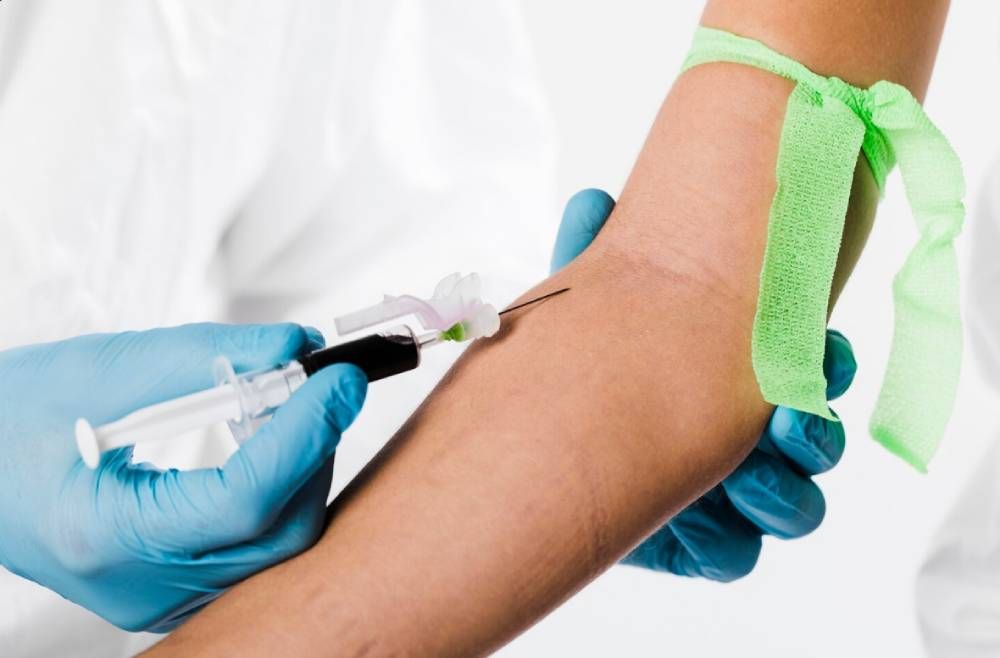
Book a Home Collection Now!
Malaria Fever: Causes, Symptoms & How It Affects the Body
August 3, 2026 - By Lupin Diagnostics
Every year, malaria fever claims hundreds of thousands of lives worldwide. In 2024 alone, there were an estimated 282 million cases and 610,000 deaths across 80 countries. Yet this disease is both preventable and curable when caught early. This article breaks down what you need to know about its causes, symptoms, and impact on the body.
What Is Malaria Fever and What Causes It?
Malaria is caused by tiny parasites called Plasmodium. Four species commonly infect humans: P. falciparum, P. vivax, P. ovale, and P. malariae. Among these, P. falciparum is the most dangerous.
The primary route of transmission is a bite from an infected female Anopheles mosquito. When this mosquito bites you, it injects Plasmodium parasites into your bloodstream. However, there are secondary malaria fever causes worth knowing:
- Blood transfusions using infected blood
- Sharing contaminated needles
- Organ transplantation from an infected donor
- Mother to unborn child during pregnancy
Casual contact like touching, coughing, or sharing food does not spread malaria.
What Are the Common Malaria Fever Symptoms?
Early malaria fever symptoms often look like a regular viral illness. You might experience fever with chills, a headache, body aches, weakness, vomiting, or diarrhoea. This is why many people delay seeking a diagnosis.
What sets malaria apart is its cyclical fever pattern, known as a paroxysm. It unfolds in three distinct stages:
- Cold stage (15–60 minutes): Intense shivering and chills grip the body.
- Hot stage (2–6 hours): Fever spikes sharply, sometimes reaching 41°C.
- Sweating stage (2–4 hours): Heavy sweating begins, and fever drops rapidly.
This cycle repeats every 48 to 72 hours depending on the Plasmodium species. If you notice such a pattern, consult a doctor without delay.
How Malaria Fever Affects the Body
Understanding how malaria fever affects the body helps explain why it can turn serious quickly. The infection moves through your body in stages:
| Stage | What Happens | Effect on the Body |
|---|---|---|
| Liver invasion | Parasites enter liver cells and multiply silently | You may feel fine during this phase |
| Red blood cell infection | Parasites burst out and invade red blood cells | Fever, chills, and anaemia begin |
| Cell rupture cycle | Infected cells burst, releasing more parasites | Cyclical fever spikes and organ stress |
| Organ damage (severe cases) | Parasite load overwhelms the body | Multi-organ complications develop |
The blood-stage parasites cause all the symptoms you feel. Each wave of cell rupture triggers an immune response, which is why the fever comes and goes.
Also Read: Malaria vs Dengue: Symptoms, Tests, Treatment & Prevention
What Happens in Severe Malaria?
Without prompt treatment, malaria can damage multiple organs. Severe complications include the following:
- Cerebral malaria: Confusion, seizures, or coma from brain involvement
- Acute anaemia: Massive destruction of red blood cells
- Kidney failure: Organs struggle under the parasite burden
- Respiratory distress: Difficulty breathing due to fluid buildup
- Neurological damage: Especially in children, including speech difficulties and hearing loss
If you or someone around you shows any of these signs, seek emergency medical care immediately.
How Is Malaria Fever Diagnosed and Treated?
Quick and accurate diagnosis is the cornerstone of malaria fever treatment. Every suspected case should be confirmed through a parasitological test. Two main options exist:
- Blood smear microscopy: A lab technician examines your blood sample under a microscope to identify parasites.
- Rapid diagnostic tests (RDTs): These give results within minutes and are useful in areas without lab access.
For confirmed cases, WHO recommends artemisinin-based combination therapies (ACTs) as the first-line treatment for uncomplicated P. falciparum malaria. Your doctor will choose the right medication based on the species involved and your health status.
Also Read: Malaria Antigen Test: Detection, Results, Price & Normal Range
How Can You Prevent Malaria Effectively?
Malaria prevention works best when you combine personal protection with broader measures. Here are practical steps:
- Sleep under insecticide-treated bed nets (ITNs), as these remain effective for several years
- Apply mosquito repellents containing DEET to exposed skin
- Wear full-sleeved clothing during evenings and early mornings
- Use window screens and keep doors shut after dark
- If travelling to a high-risk area, discuss preventive medication with your doctor beforehand
When to Seek Immediate Medical Attention
Malaria can escalate quickly, especially in young children, pregnant women, and older adults. Seek emergency care if you notice persistent high fever with confusion, difficulty breathing, repeated vomiting, dark or reduced urine output, or extreme fatigue. Early treatment can be the difference between a full recovery and serious harm.
Conclusion
Malaria fever follows a clear path, from mosquito bite to liver and then into your red blood cells. Recognising the cyclical fever pattern and acting fast can save lives. Prevention through bed nets, repellents, and medical guidance remains your strongest defence.
If you have been experiencing recurring fever with chills, do not wait it out. Book a malaria diagnostic test with Lupin Diagnostics at an NABL-accredited lab near you for fast, reliable results.
Frequently Asked Questions
How long does it take for malaria symptoms to appear after a mosquito bite?
Symptoms can show up as early as one week after infection. In some cases, they may appear months or even a year later, depending on the Plasmodium species involved.
Can malaria fever be transmitted directly from one person to another?
Malaria does not spread through casual contact like coughing or touching. It can, however, pass through blood transfusions, shared needles, organ transplants, or from mother to child during pregnancy.
What is the difference between Plasmodium falciparum and Plasmodium vivax?
P. falciparum is the most dangerous species and causes the majority of severe malaria cases. P. vivax can form dormant liver-stage parasites called hypnozoites, which may reactivate and cause relapses weeks or even years later.
Why does malaria cause cyclical shivering and high fever spikes?
The fever cycle occurs when infected red blood cells burst, releasing parasites and waste products into the bloodstream. This triggers the body's intense immune response.
Are malaria vaccines available and effective for travellers?
WHO has approved two vaccines (RTS, S/AS01 and R21/Matrix-M) for preventing P. falciparum malaria in children living in endemic areas. These vaccines are currently not recommended for travellers.
Can malaria lie dormant in the liver and recur years later?
Yes. In P. vivax and P. ovale infections, dormant parasites called hypnozoites can remain in the liver and cause relapses weeks or even years after the initial infection.
Learn More - Advances In Malaria Diagnosis How RDTs Detect Parasites
This article is for informational and educational purposes only. It does not substitute for professional medical advice, diagnosis, or treatment. If you suspect malaria or experience any symptoms described above, please consult a qualified healthcare provider promptly.
Featured Articles
What Does a High ESR Test Mean? Causes of Elevated ESR and When to See a Doctor
Posted on: 15th Jan 2026

Fevers in Monsoon: Types, Symptoms, Prevention & Diagnostic Tests
Posted on: 4th Feb 2026
Understanding Early Signs Of Diabetes Mellitus Why Fasting Blood Glucose And Hba1C Tests Matter
Posted on: 22nd Jan 2026