Book a Home Collection Now!
Malaria vs Dengue: Symptoms, Diagnostic Tests, and Prevention
May 28, 2026 - By Lupin Diagnostics
A sudden high fever during the monsoon season raises two immediate concerns: malaria and dengue. Both are mosquito-borne, common in India, and can turn serious fast. Yet they differ sharply in cause, symptoms, and treatment. This guide breaks down the key differences between malaria and dengue so you can recognise the signs early and act quickly.
What Are the Key Differences Between Malaria and Dengue?
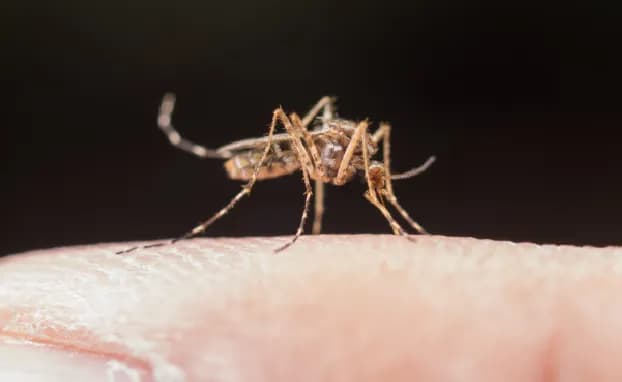
Understanding the key differences between malaria and dengue starts with what causes each illness. Malaria is triggered by a parasite called Plasmodium. It spreads through the bite of the female Anopheles mosquito, which typically feeds at night. Dengue, on the other hand, is a viral infection. It spreads through the Aedes aegypti mosquito, which bites mainly during daytime hours.
Here is a quick side-by-side comparison:
| Feature | Malaria | Dengue |
|---|---|---|
| Cause | Plasmodium parasite | Dengue virus |
| Mosquito vector | Female Anopheles | Female Aedes aegypti |
| Biting time | Evening and night | Early morning and late afternoon |
| Global cases (according to WHO) | 249 million | 96 million symptomatic cases |
How Do Malaria Symptoms Differ From Dengue Symptoms?
Both illnesses begin with high fever and body aches. Yet each has a distinct pattern that helps doctors narrow things down.
What Are the Classic Malaria Symptoms?
Malaria symptoms typically appear 10 to 15 days after an infected mosquito bite. The hallmark is a cyclical fever pattern driven by the parasite's life cycle.
Watch for these signs:
- Cyclical fever episodes with three distinct stages: shivering and chills, followed by high fever, then profuse sweating
- Persistent headache and body aches
- Fatigue and weakness
- Enlarged spleen in prolonged cases
What Are the Distinct Dengue Symptoms?
Dengue is often called "breakbone fever" because of the crushing joint and muscle pain it causes. Common dengue symptoms include:
- Sudden high fever lasting two to seven days
- Severe pain behind the eyes, called retro-orbital pain
- Intense body and joint aches
- Nausea, vomiting, and fatigue
- A flat skin rash that may appear after a few days
- A rapid platelet count drop, which needs monitoring
Which Diagnostic Tests Confirm Malaria and Dengue?
Symptoms alone cannot confirm either disease. Laboratory testing is essential because the two infections overlap in their presentation.
Essential Malaria Diagnostic Tests
Malaria diagnostic tests rely on two main approaches:
- Peripheral blood smear (microscopy): Thick and thin blood films remain the gold standard for confirming malaria parasites.
- Rapid Diagnostic Tests (RDTs): A simple finger-prick test that detects Plasmodium antigens. Results are available within 15 to 30 minutes.
Key Dengue Diagnostic Tests
Dengue testing follows a timeline-based approach:
- NS1 Antigen test: Most useful in the first five days of fever for early detection.
- IgM/IgG Antibody tests: IgM antibodies typically become detectable four to five days after symptoms begin.
- Complete Blood Count (CBC): Monitors platelet levels and white blood cell counts closely.
Your doctor will decide which tests to order based on your symptoms and timing.
Treatment Approaches: Parasitic vs. Viral Management
Malaria, being a parasitic infection, requires targeted antimalarial medicines. Artemisinin-based Combination Therapies (ACTs) remain the recommended treatment for uncomplicated cases. Your doctor will determine the right medication based on the parasite species involved.
Dengue, on the other hand, has no specific antiviral treatment. Management focuses on supportive care: staying well-hydrated and using paracetamol for pain and fever. Medicines like ibuprofen and aspirin must be strictly avoided, as they raise the risk of bleeding. Always seek medical guidance before taking any medication during a fever episode.
What Are Effective Malaria and Dengue Prevention Strategies?
Prevention for both diseases centres on one goal: avoiding mosquito bites. However, the strategies differ because each mosquito has different habits.
Dengue Prevention and Vector Control
Since Aedes mosquitoes bite during the day, dengue prevention focuses on daytime protection:
- Empty coolers, flower pots, tyres, and any containers that collect clean, stagnant water.
- Use mosquito repellents during daytime hours.
- Wear light-coloured, full-sleeved clothing while outdoors.
Malaria Prevention and Night-Time Protection
Since the Anopheles mosquito feeds at night, protection during sleep is critical. Helpful measures include:
- Sleeping under insecticide-treated bed nets (ITNs).
- Using indoor residual spraying in your home.
- Wearing long sleeves and trousers after sunset.
- Keeping windows and doors screened.
Conclusion
When malaria vs dengue is the question, a timely blood test provides the answer. Both diseases share the opening act of high fever, but their causes, diagnostic timelines, and treatments differ greatly. Recognising symptoms early and getting tested promptly can prevent serious complications.
If you or a family member develops a sudden fever during monsoon season, consider getting tested at the earliest. Lupin Diagnostics offers a comprehensive range of fever panel tests at NABL-accredited labs and convenient home collection services across India.
FAQs
Can a person be infected with both malaria and dengue at the same time?
Yes, concurrent infections can occur because different mosquito species transmit each disease independently. Since symptoms overlap, co-infections may be misdiagnosed without proper laboratory testing.
Why are ibuprofen or aspirin avoided when treating suspected dengue?
These medicines belong to the nonsteroidal anti-inflammatory drug (NSAID) category and can thin the blood. In dengue, where platelet counts already drop, they raise the risk of dangerous bleeding.
How long does it take for a lab to confirm malaria vs dengue?
Malaria rapid diagnostic tests can give results within 15 to 30 minutes. Dengue diagnosis may take longer, as NS1 and IgM tests together typically provide results within the first seven days of illness.
Does catching dengue once make you immune to it for life?
Recovery gives lifelong immunity only against the specific serotype that infected you. There are four dengue serotypes, and protection against the remaining three is partial and temporary.
Which mosquito-borne disease is characterised by cyclical shivering and sweating?
Malaria is the one with cyclical episodes of fever. The Plasmodium parasite moves through multiple stages in the body, triggering repeated rounds of chills, fever, and sweating.
Disclaimer: This article is for informational and educational purposes only. It does not substitute professional medical advice, diagnosis, or treatment. If you have symptoms of malaria or dengue, please consult a qualified healthcare provider promptly.
Featured Articles
Diabetes Screening For Diagnosis And Prevention
Posted on: 25th Oct 2023

Eating To Recover: The Best Foods For Getting Back On Your Feet After Cholera
Posted on: 22nd Jan 2026

What A Complete Blood Count (CBC) Tells You About Your Health
Posted on: 22nd Jan 2026