Book a Home Collection Now!
Liver Swelling: Symptoms, Causes & Best Treatment Options
September 7, 2026 - By Lupin Diagnostics
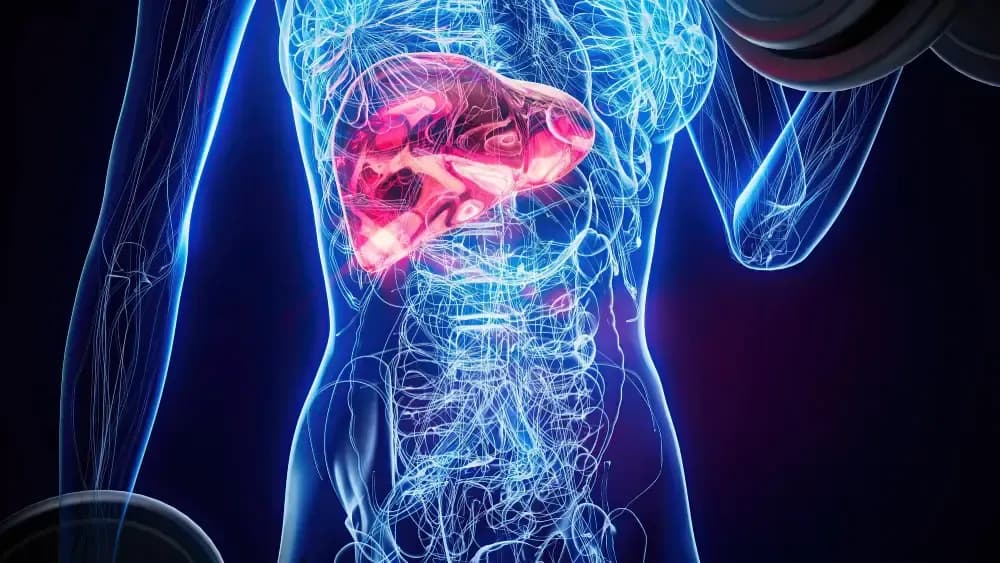
Have you noticed a dull heaviness below your right ribs? Liver swelling, known medically as hepatomegaly, is not a disease on its own. It signals that something deeper needs attention. From fatty liver to viral infections, several conditions can make your liver enlarge. This article walks you through the symptoms, common causes, and the best ways to manage it.
What Are the Early and Advanced Liver Swelling Symptoms?
Many people with an enlarged liver feel nothing at first. Fatty liver disease, for instance, often shows no symptoms at all in its early stages. Fatigue tends to be the earliest complaint.
As the condition progresses, watch for these liver swelling symptoms:
- Right upper quadrant pain
- Persistent bloating, nausea, or loss of appetite
- Jaundice, a yellowish tint in the skin or whites of the eyes
- Dark-coloured urine
- Unexplained weight loss or sleep disturbances
If you notice any of these signs, consult a doctor for proper evaluation.
What Are the Primary Causes of Liver Swelling?
The liver can enlarge due to metabolic, viral, vascular, or structural reasons. Here are the most common causes of liver swelling:
1. Fatty Liver Disease (NAFLD and ALD)
- Non-alcoholic fatty liver disease affects roughly 38.6% of Indian adults. That means about one in three people.
- Excess body weight, high cholesterol, and metabolic syndrome drive fat build-up inside liver cells.
- Heavy alcohol use causes alcoholic liver disease (ALD), which follows a similar pattern of fat accumulation and swelling.
2. Viral and Autoimmune Hepatitis
- Five hepatitis viruses (A, B, C, D, and E) can infect the liver. Hepatitis B and C may become chronic.
- Globally, around 240 million people live with hepatitis B.
- Autoimmune hepatitis occurs when the body's immune system mistakenly attacks liver cells, causing hepatic inflammation.
3. Liver Cirrhosis and Advanced Fibrosis
- Long-term liver injury gradually replaces healthy tissue with scar tissue
- This scarring distorts the liver's structure and blocks normal blood flow
- Liver cirrhosis is a major global health burden and a leading path to liver cancer
4. Vascular Congestion and Heart Failure
- Right-sided heart failure can push blood back into the liver, causing congestion
- Budd-Chiari syndrome blocks liver veins, leading to pain, fluid buildup, and hepatomegaly
5. Liver Cysts, Tumours, and Lesions
- Benign growths such as cysts or haemangiomas can physically enlarge the liver
- Primary liver cancer or cancers that spread from other organs also cause swelling
How Do Doctors Diagnose an Enlarged Liver?
Diagnosis typically follows a step-by-step approach:
- Physical examination: Your doctor checks for fullness below the right ribs and notes your weight and waist size.
- Liver function tests (LFT): A simple blood test that measures enzymes and proteins, revealing how well your liver is working.
- Abdominal ultrasound: A painless imaging scan that shows fat deposits, cysts, or structural changes.
- CT or MRI scans: Provide detailed images when the ultrasound findings need further clarity.
- FibroScan (elastography): Measures liver stiffness to assess the degree of scarring without a needle.
- Liver biopsy: A small tissue sample is examined under a microscope in select cases.
Your doctor will decide which tests you need based on your symptoms and medical history.
Also Read: How Liver Function Tests Can Help Diagnose Medical Conditions
What Are the Best Treatment Options for Liver Swelling?
The right approach depends entirely on the underlying cause. When fatty liver has not progressed to serious damage, healthy lifestyle changes are the primary treatment.
Key treatment options for liver swelling include:
- Weight management: A sustained 5–10% drop in body weight can effectively reduce liver fat.
- Antiviral medications: For chronic hepatitis B or C, these help control the virus and limit liver damage. Your doctor will determine the right medication based on your specific condition.
- Alcohol cessation: Stopping alcohol intake is essential for anyone with ALD.
- Managing heart conditions: Treating underlying cardiac issues can relieve vascular congestion in the liver.
- Regular monitoring: Annual check-ups and repeat tests every two to three years help track progress.
Treatment decisions should always be made in consultation with a qualified healthcare professional.
Also Read: 4 Warning Signs of Liver Damage Identified by LFT
Master Comparison Table: Causes, Key Symptoms & Targeted Treatments
Here is a table comparing underlying causes, distinctive symptoms, primary diagnostic markers and the first-line treatment strategy:
| Cause | Key Symptoms | Primary Diagnostic Tool | First-Line Approach |
|---|---|---|---|
| NAFLD/ALD | Fatigue, right upper quadrant discomfort | LFTs, ultrasound | Lifestyle changes, weight loss |
| Viral Hepatitis | Jaundice, fatigue, dark urine | Blood tests, elastography | Antiviral medications |
| Cirrhosis | Fluid in abdomen, bleeding | FibroScan, biopsy | Specialist care, transplant evaluation |
| Cardiac Congestion | Swollen legs, breathlessness | Echocardiogram, ultrasound | Heart failure management |
| Tumours/Cysts | Palpable mass, pain | CT/MRI scan | Surgical or oncological care |
Dietary Habits and Lifestyle Tips for Liver Health
Small, consistent changes in daily routine go a long way in supporting your liver:
- Choose home-cooked meals with dal, sabzi, whole grains, and fresh fruits
- Limit processed sugars, packaged snacks, and foods high in trans fats
- Stay well hydrated throughout the day
- Avoid alcohol completely, or reduce intake significantly
- Aim for at least 150 minutes of moderate activity each week
- Avoid self-medicating with over-the-counter tablets or unverified supplements
Always check with your doctor before starting any new supplement or making major dietary changes.
Protecting Your Liver Starts With Paying Attention
Spotting liver swelling symptoms early gives you the best chance at reversing damage. Research shows liver fibrosis can be a reversible process when the root cause is identified and treated in time. The key is not to ignore persistent fatigue, abdominal discomfort, or jaundice.
If you would like to check your liver health, Lupin Diagnostics offers liver function tests and abdominal ultrasounds at NABL-accredited labs across India. Early testing can make all the difference.
Frequently Asked Questions
Can an enlarged liver go back to its normal size?
Yes, in many cases. When the underlying cause is treated early, liver fibrosis can reverse. However, advanced cirrhosis may cause permanent damage, so timely action matters.
Is liver swelling considered a life-threatening medical emergency?
It depends on the cause. Some causes are mild and manageable, while others require urgent care. A proper diagnosis helps determine how serious the condition is.
What does pain from an enlarged liver feel like?
It usually feels like a dull ache or sense of fullness in the upper right side of your abdomen. Some people describe it as a sharp or pressing discomfort.
How long does it take to cure fatty liver swelling?
Improvement varies, but losing 5% to 10% of body weight can reduce inflammation. This typically takes several months of sustained dietary and lifestyle changes.
Which side of your body hurts when your liver is swollen?
The liver sits in the upper right portion of your abdomen. Pain or discomfort from an enlarged liver is felt on that side, just below the ribs.
Can stress and poor diet directly cause your liver to swell?
A poor diet high in processed foods and sugars is closely linked to fatty liver disease. While stress alone may not directly cause liver swelling, it can lead to unhealthy eating and drinking habits that do.
This article is for informational purposes only and does not replace professional medical advice, diagnosis, or treatment. If you have concerns about your liver health or experience any of the symptoms described above, please consult a qualified healthcare provider.
Featured Articles
Dehydrated How To Make A Lifesaving Diy Rehydration Drink For Cholera Recovery
Posted on: 22nd Jan 2026
Diabetes Screening For Diagnosis And Prevention
Posted on: 25th Oct 2023
Eating To Recover: The Best Foods For Getting Back On Your Feet After Cholera
Posted on: 22nd Jan 2026