Book a Home Collection Now!
Fatty Liver Disease: Symptoms, Causes & Treatment
August 20, 2026 - By Lupin Diagnostics
If your last health check-up flagged concerns about fatty liver disease, you are far from alone. In India, roughly 1 in 3 adults lives with this condition. However, early stages are often reversible. This article breaks down the symptoms, causes, and treatment options you should know about.
What Is Fatty Liver Disease?
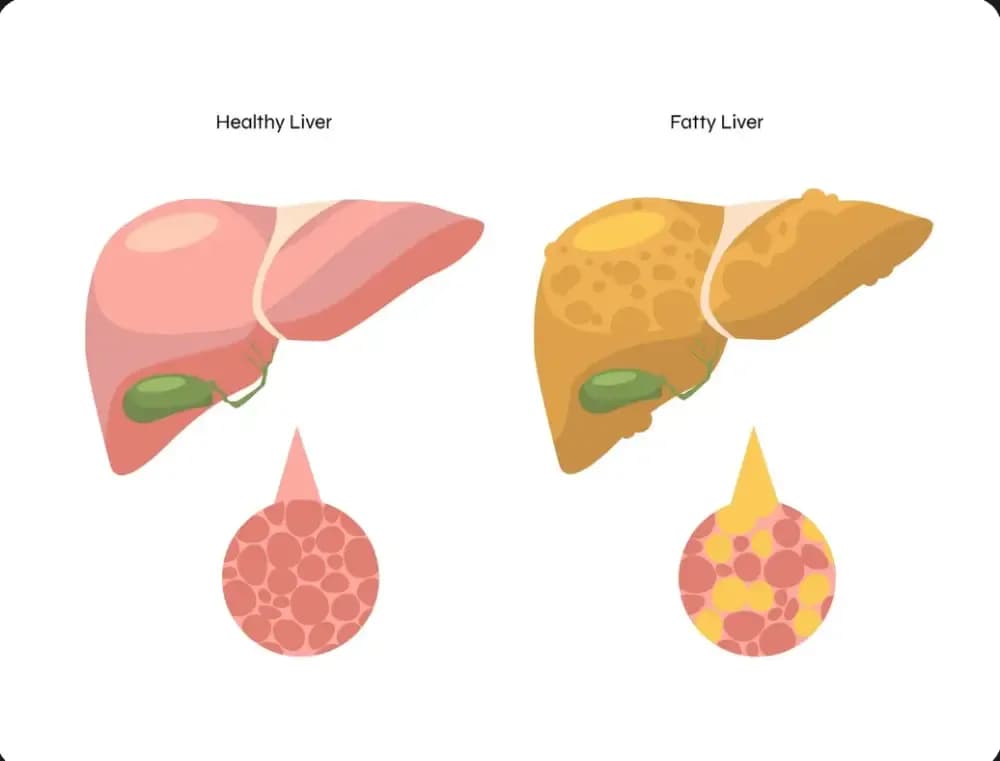
A small amount of fat in the liver is perfectly normal. The concern begins when fat builds up in at least 5% of liver cells. At that point, the liver starts struggling with its everyday functions.
You may have heard this condition called non-alcoholic fatty liver disease (NAFLD). In June 2023, experts renamed it metabolic dysfunction-associated steatotic liver disease (MASLD). The new name reflects what research now confirms metabolic factors like insulin resistance drive this condition, not just dietary fat.
This update matters because it shifts focus to the root cause. Understanding hepatic steatosis as a metabolic issue helps guide better prevention and care.
What Are Common Fatty Liver Disease Symptoms?
Most people feel no fatty liver disease symptoms at all in the early stages. It often shows up unexpectedly during a routine blood test or an abdominal ultrasound.
Early-Stage and General Physical Discomfort
During initial fat build-up, you might notice persistent tiredness or low energy. Some people experience a dull, nagging ache near the upper right side of the abdomen. These signs are easy to dismiss as stress or poor sleep.
Advanced Warning Signs
As the condition worsens toward liver fibrosis or cirrhosis, more serious symptoms can develop:
- Yellowing of the skin and eyes, known as jaundice
- Swelling in the abdomen from fluid build-up (ascites)
- Visible fluid retention in the ankles and legs
- Unexplained weight loss or loss of appetite
- Mental confusion or difficulty concentrating
If you notice any of these signs, please speak with your doctor promptly for a proper evaluation.
Also Read: 4 Warning Signs of Liver Damage Identified by LFT
What Are the Key Fatty Liver Disease Causes?
The causes fall into two broad categories. Alcohol-related liver disease results from heavy drinking. MASLD, on the other hand, develops without significant alcohol intake and is tied closely to metabolic health.
Here is a closer look at the major risk factors behind fatty liver disease causes:
| Risk Category | Specific Triggers | Effect on Liver Cells |
|---|---|---|
| Insulin Resistance | Poor blood sugar regulation | Fat accumulates faster than cells can process it |
| Visceral Obesity | Excess belly fat | Releases inflammatory signals that damage hepatic steatosis pathways |
| High Triglycerides | Elevated blood fats | Overloads the liver's fat-clearing capacity |
| Type 2 Diabetes | Chronic high blood sugar | Promotes ongoing fat storage in liver tissue |
| Rapid Weight Loss | Crash diets, extreme fasting | Floods the liver with fatty acids all at once |
The Progression Pathways: From Steatosis to Cirrhosis
Left unchecked, fatty liver can move through four distinct stages. But without intervention, the condition can advance through distinct stages:
- Simple steatosis: Fat accumulates in liver cells, but there is little inflammation or damage
- Steatohepatitis (MASH): Inflammation sets in, actively injuring liver cells
- Fibrosis: Scar tissue begins forming as the liver tries to repair itself
- Cirrhosis: Widespread, permanent scarring that can lead to liver failure or liver cancer
Each stage is progressively harder to reverse. That is why catching the condition early through liver enzyme tracking makes such a difference.
What Are Effective Fatty Liver Disease Treatment Options?
Currently, few approved medications directly target liver fat. That means fatty liver disease treatment leans heavily on lifestyle changes and managing underlying metabolic conditions. Annual check-ups are recommended to track your progress.
1. Dietary Modifications and Nutritional Frameworks
A Mediterranean-style eating pattern supports liver recovery. Key dietary shifts include:
- Reducing refined carbohydrates and added sugars like sweetened drinks
- Choosing healthy fats from nuts, seeds, and olive oil
- Losing just 3–5% of body weight to reduce liver fat and lower inflammation
- Avoiding alcohol completely if your liver is already stressed
2. Physical Exercise and Metabolic Management
Regular physical activity helps even before the scale shows results. Both aerobic exercise like brisk walking and resistance training improve insulin sensitivity. This encourages your body to burn stored liver fat more efficiently.
Also Read: How Liver Function Tests Can Help Diagnose Medical Conditions
Taking Charge of Your Liver Health
Early-stage fatty liver disease is one of the few liver conditions that can genuinely be turned around. A combination of mindful eating, regular movement, and consistent liver enzyme tracking gives you the best chance at recovery. The key is catching it before silent damage becomes permanent scarring.
Lupin Diagnostics offers comprehensive liver function tests at NABL-accredited labs across India, making it simple to stay informed and take timely action.
Frequently Asked Questions
How many months of consistent diet and exercise changes does it typically take to reverse simple hepatic steatosis?
Most people see meaningful liver fat reduction within 3 to 6 months of sustained lifestyle changes. Individual timelines vary based on the severity of fat accumulation and metabolic health.
Can a person who is lean or at a healthy body weight still develop metabolic fatty liver disease?
Yes. Studies show that around 10.2% of people at a healthy weight still develop NAFLD. Insulin resistance and metabolic factors can drive liver fat accumulation regardless of body size.
What specific blood test parameters or elevated liver enzymes reveal hidden liver fat during an annual physical?
An elevated ALT level, particularly when it is higher than AST, can point towards liver fat. High triglycerides, low HDL cholesterol, and raised HbA1c further strengthen the suspicion.
Is an ultrasound scan completely accurate for staging liver fibrosis, or is a specialised FibroScan required?
A routine ultrasound is not reliable for detecting early or mild fibrosis. Specialised tools like transient elastography (FibroScan) or MR elastography provide more accurate staging results.
Are there any over-the-counter liver detox supplements or milk thistle remedies proven to reduce liver fat?
There is currently no firm clinical evidence supporting milk thistle (silymarin) for reducing liver fat. Lifestyle modifications remain the most evidence-backed approach.
How does regular consumption of high-fructose corn syrup and sugary soft drinks accelerate fat storage in liver cells?
Fructose bypasses a key regulatory step in sugar metabolism. This sends more raw material directly to the liver's fat-production pathway, increasing fat storage compared to regular glucose.
This article is for informational and educational purposes only. It is not intended as a substitute for professional medical advice, diagnosis, or treatment. Please consult a qualified healthcare provider for any concerns about your liver health or before making changes to your diet, exercise, or medication.
Featured Articles
Eating To Recover: The Best Foods For Getting Back On Your Feet After Cholera
Posted on: 22nd Jan 2026

What A Complete Blood Count (CBC) Tells You About Your Health
Posted on: 22nd Jan 2026

Constant Fatigue? Here’s What Your Blood Test Might Reveal
Posted on: 22nd Jan 2026