Book a Home Collection Now!
Jaundice: Symptoms, Causes & Risk Factors
October 28, 2026 - By Lupin Diagnostics
Have you noticed a yellowish tint in someone's eyes or skin and wondered what it means? Jaundice is not a disease on its own — it is a visible sign that something deeper needs attention. Excess bilirubin, a yellow pigment, builds up in the body and causes this discolouration. This article walks you through the key jaundice symptoms, their triggers, and who is at higher risk.
What Is Jaundice and How Does It Develop?
Your body constantly breaks down old red blood cells. This process produces bilirubin, which the liver normally filters out. When the liver cannot keep up — or when something blocks the flow — bilirubin accumulates in tissues.
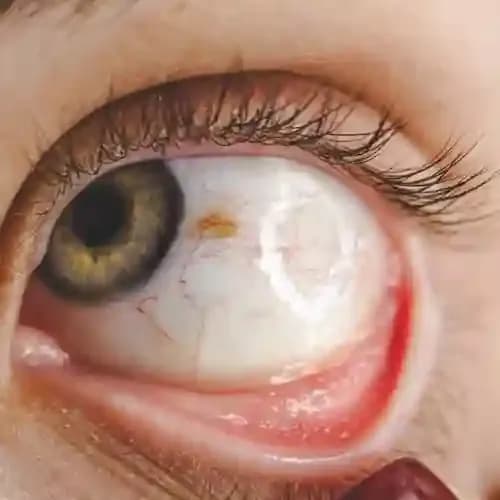
Healthy bilirubin levels stay below 1 mg/dL. The yellow tint in the whites of the eyes, called scleral icterus, typically becomes visible once levels cross 3 mg/dL. Skin and mucous membranes follow soon after.
Think of it this way: bilirubin is like a waste product waiting to be collected. Jaundice appears when the collection system slows down or gets blocked entirely.
What Are the Most Common Jaundice Symptoms?
Recognising jaundice symptoms early makes a real difference. Jaundice symptoms fall into two broad groups.
Primary Visual Signs
These are the changes you can actually see:
- Yellowing of the skin and the whites of the eyes
- Dark or tea-coloured urine
- Pale, clay-coloured stools
Associated Signs
Beyond the visible changes, jaundice often brings along other symptoms:
- Generalised skin itching (called pruritus)
- Dull ache in the upper right side of the abdomen
- Tiredness and weakness
- Loss of appetite and unexplained weight loss
- Nausea or vomiting
- Swelling around the ankles or abdomen
If you experience several of these signs together, speak with a doctor for proper evaluation.
Also Read: Symptoms of High Bilirubin in Adults & Newborns
What Are the Major Causes of Jaundice?
Jaundice causes are grouped by where the problem occurs — before, inside, or after the liver.
Pre-Hepatic Causes (Before the Liver)
Here, red blood cells break down faster than the liver can process. Common triggers include:
- Haemolytic anaemia
- Malaria
- Sickle cell disease
Hepatic Causes (Inside the Liver)
Liver cells themselves become damaged, reducing their ability to filter bilirubin. This can result from:
- Viral hepatitis (types A, B, C, and E)
- Alcohol-related liver disease
- Non-alcoholic fatty liver disease (NAFLD)
- Medication-induced liver injury
Post-Hepatic Causes (After the Liver)
Bile ducts carry processed bilirubin to the intestines. A blockage here traps bile, causing jaundice.
Common culprits include:
- Gallstones blocking the bile duct
- Pancreatic conditions, including pancreatitis
- Narrowing of bile ducts (biliary strictures)
Gallstones, viral hepatitis, and excessive alcohol are the three most frequent causes overall. This is general information — a qualified doctor can identify the specific cause through proper testing.
Who Faces the Highest Jaundice Risk Factors?
Certain lifestyle and medical factors raise the chances of developing jaundice. Key jaundice risk factors include:
- Excessive alcohol intake — long-term heavy drinking damages liver cells
- Exposure to viral hepatitis — poor sanitation, lack of safe drinking water, and living with an infected person increase risk
- Autoimmune conditions affecting the liver
- Certain medications that may cause liver injury as a side effect
- Occupational chemical exposure
In India, hepatitis A and E remain significant concerns, especially in areas where clean water access is limited.
How Do Doctors Diagnose Jaundice?
Diagnosis typically follows a step-by-step approach:
| Step | What It Involves |
|---|---|
| Physical examination | Checking skin, eyes, and abdomen |
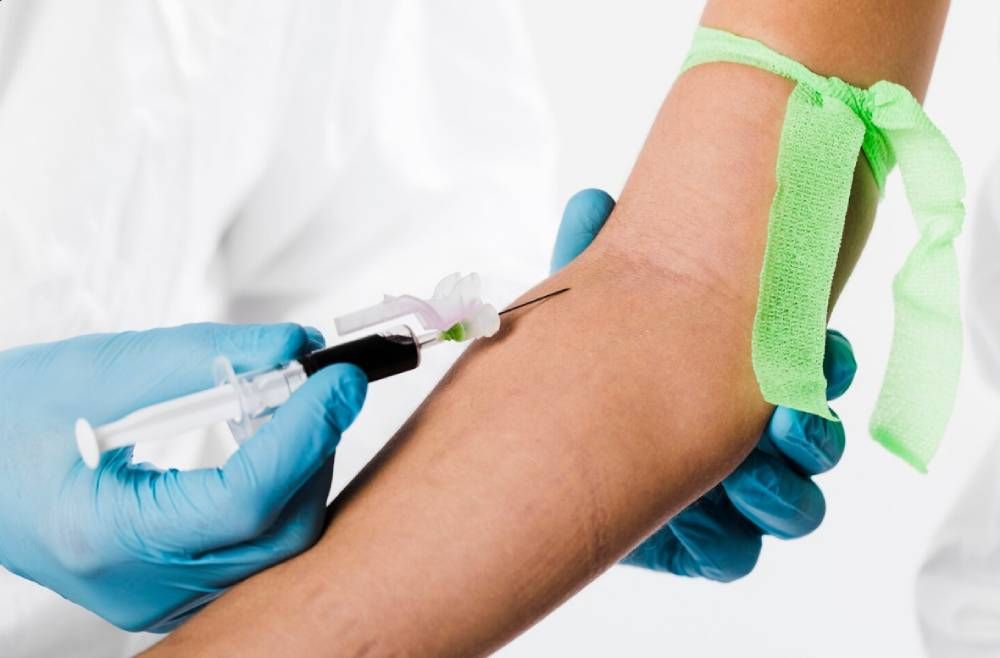
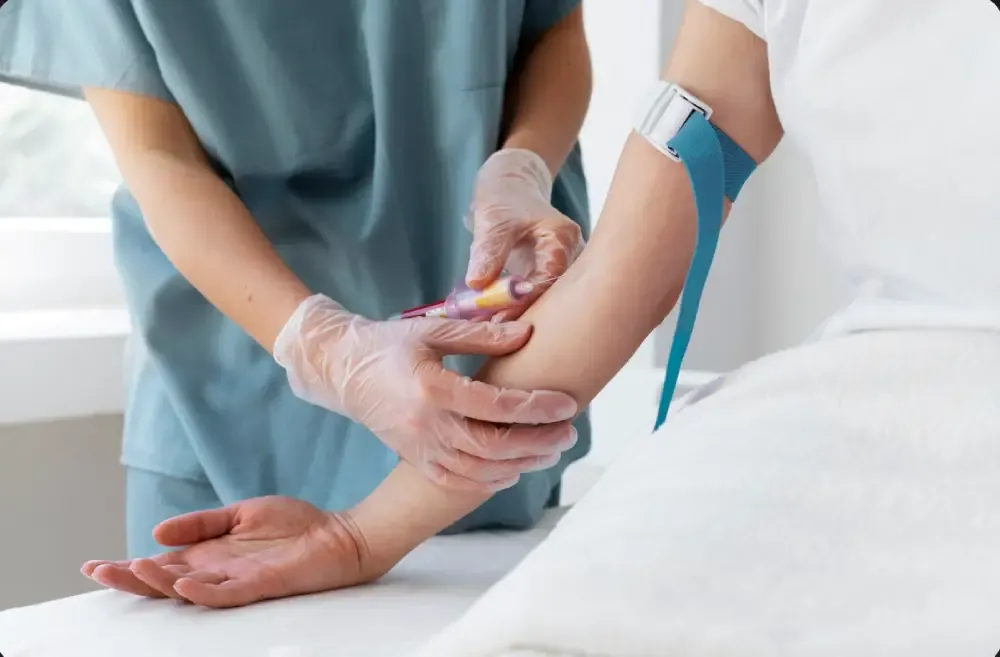
| Blood tests | Measuring bilirubin levels and liver function |
| Ultrasound (USG) | Viewing bile duct size and possible blockages |
| Advanced imaging | MRCP or ERCP for detailed bile duct assessment |
Blood tests help doctors determine whether the issue lies with the liver, a blockage, or rapid blood cell breakdown.
Seek emergency care immediately if you experience:
- High fever with jaundice
- Severe abdominal pain
- Sudden confusion or drowsiness
- Vomiting blood
These could signal a serious underlying condition requiring urgent attention.
Also Read: Bilirubin Blood Test: Causes, Health Effects & Costs
Catching Jaundice Early Makes All the Difference
The yellow tint of jaundice is your body's way of flagging a problem. Whether the cause is a simple infection or a bile duct blockage, early detection helps doctors act before complications set in. Pay attention to changes in your skin, eyes, urine, and energy levels.
If you or someone in your family notices signs of jaundice, getting a blood test is a practical first step. Lupin Diagnostics offers liver function tests and bilirubin assessments at NABL-accredited labs across India. Book a test to get clarity and peace of mind.
Frequently Asked Questions
What is the main cause of jaundice in adults?
Gallstones, viral hepatitis, and excessive alcohol intake are the most common causes in adults. A doctor can identify the exact trigger through blood tests and imaging.
Can jaundice go away on its own without treatment?
It depends entirely on the underlying cause. Some mild cases may resolve on their own, but others require urgent medical intervention, so professional evaluation is essential.
Is jaundice a sign of liver failure?
Jaundice can indicate serious liver disease, though it does not always mean liver failure. An urgent medical assessment helps determine the severity.
Why does jaundice cause itchy skin?
Excess bile salts deposit in the skin, triggering itching. Research also suggests opioids, histamine, and lysophosphatidic acid may play a role.
How do doctors check bilirubin levels for jaundice?
Doctors use a simple blood test to measure bilirubin levels and assess liver function patterns. This helps determine whether the cause is prehepatic, hepatic, or posthepatic.
What is the difference between adult and newborn jaundice?
Newborn jaundice is common and usually harmless, often resolving without treatment. Adult jaundice typically signals an underlying condition that requires proper investigation.
This article is for informational and educational purposes only. It does not substitute professional medical advice, diagnosis, or treatment. If you have concerns about jaundice or related symptoms, please consult a qualified healthcare provider.
Featured Articles
Dehydrated How To Make A Lifesaving Diy Rehydration Drink For Cholera Recovery
Posted on: 22nd Jan 2026
Diabetes Screening For Diagnosis And Prevention
Posted on: 25th Oct 2023
Eating To Recover: The Best Foods For Getting Back On Your Feet After Cholera
Posted on: 22nd Jan 2026