Book a Home Collection Now!
7 Important Tests For Men Age 60 and Older
October 27, 2026 - By Lupin Diagnostics
Turning 60 is a milestone worth celebrating — and protecting. Many tests for men over 60 can catch serious conditions like heart disease or colon cancer early, when they are easier to manage. This guide walks you through seven essential screenings, how often you need them, and simple ways to prepare for your next health checkup.
Why Are Health Screenings Crucial After Age 60?
After 60, your body changes in ways you cannot always feel. Blood pressure may creep up silently. Cholesterol levels tend to rise with age, raising cardiovascular risk. Blood sugar can climb without obvious symptoms.
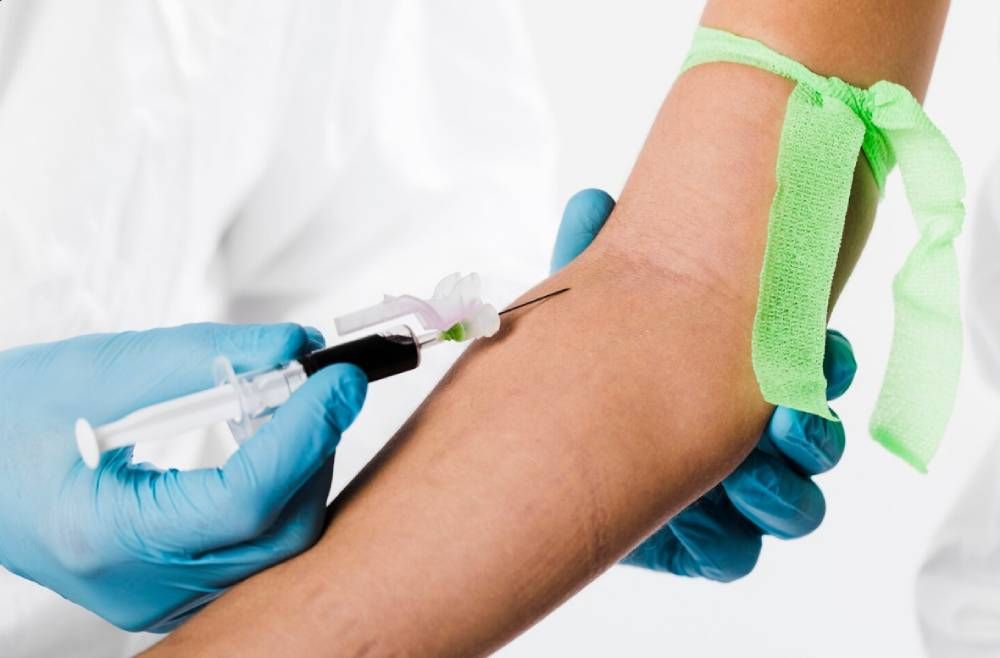
That is what makes health screenings for men age 60 so valuable. A routine blood test can flag high sugar or cholesterol long before you notice anything wrong. Catching these issues early often means simpler treatment and better outcomes.
Regular checkups also help your doctor assess your risk for future problems. They are a chance to update vaccinations and review your overall health plan. Think of them as routine maintenance, not just for your car, but for you.
Also Read: Prostate Health Screening: Essential Tests for Men
What Are the 7 Essential Health Tests for Men Over 60?
Here are the core health tests for men over 60, each targeting a major age-related risk.
1. Prostate-Specific Antigen (PSA) Test
The PSA test for men over 60 measures a protein linked to prostate health. Elevated levels may signal an enlarged prostate or, in some cases, prostate cancer.
Key points to discuss with your doctor:
- For men aged 55 to 69, screening is an individual decision made jointly with a doctor
- Screening is generally not recommended after age 70
- Talk to your healthcare provider about whether this test is right for you.
2. Lipid Profile and Cardiovascular Risk Panel
This panel checks total cholesterol, HDL, LDL, and triglycerides. For men older than 65, cholesterol should be tested every year.
Keeping these numbers in check lowers your risk of stroke and heart attack. A simple fasting blood sample is all it takes.
3. Blood Pressure Screening and ECG
Men aged 65 and older should have their blood pressure checked at least once every year. High blood pressure often shows no symptoms at all.
An ECG can detect irregular heart rhythms and signs of arterial stiffness. Together, these two checks give a clearer picture of heart health. Your doctor can advise on how often you need an ECG based on your history.
4. Type 2 Diabetes Screening (HbA1c and Fasting Glucose)
Men aged 65 and older should be screened for diabetes every 3 years. If you have risk factors such as a family history, obesity, or heart disease, your doctor may recommend more frequent testing.
An HbA1c test shows your average blood sugar over the past two to three months. Fasting glucose offers a snapshot of your current levels. Both together help catch diabetes or pre-diabetes early.
5. Colorectal Cancer Screening
Colonoscopy is one of the most effective screening tests after 60. It can reduce colorectal cancer incidence by 69% and related deaths by 68%.
Here is what to know:
- Adults aged 45 to 75 are recommended to be screened
- After a normal colonoscopy, repeat screening is typically needed every 10 years
- If you are older than 75, discuss continued screening with your doctor
6. DEXA Bone Density Scan
Osteoporosis is not just a concern for women. Guidelines recommend screening men aged 70 and older for bone loss. A T-score of -2.5 or lower at the spine or hip confirms a diagnosis of osteoporosis.
Men between 60 and 70 with risk factors, low body weight, long-term steroid use, or a history of fractures should ask their doctor about earlier screening. Your healthcare provider can determine if a DEXA scan is appropriate for you.
7. Eye Examination and Hearing Evaluation
Vision and hearing changes are common after 60. Regular eye exams screen for glaucoma, cataracts, and macular degeneration. A hearing evaluation can catch age-related hearing loss early.
Both tests are quick and painless. Addressing these issues promptly can make a real difference in daily quality of life.
Also Read: Top 10 Health Checkups Everyone Should Do Every Year
What Additional Screenings Should Senior Men Consider?
Beyond the core seven, a few more tests deserve attention as part of preventive care for senior citizens:
- Kidney and liver function tests (KFT/LFT): These blood tests check how well your kidneys and liver are working, especially important if you take regular medications
- Abdominal aortic aneurysm (AAA) ultrasound: A one-time screening is recommended for men aged 65 to 75 who have ever smoked
- Vitamin D3 test and Vitamin B12 test panels: Deficiencies are common in older adults and can affect bone health, energy, and nerve function
Discuss these options with your doctor during your next annual health checkup.
How Often Should Senior Men Get These Tests?
This table summarises the recommended frequency for key screenings:
| Test | Recommended Frequency | Primary Purpose |
|---|---|---|
| Blood pressure | At least once a year | Detect silent hypertension |
| Lipid profile | Every year (after age 65) | Monitor cholesterol and heart risk |
| Diabetes screening (HbA1c) | Every 3 years (more often with risk factors) | Track blood sugar levels |
| Colonoscopy | Every 10 years (if results normal) | Screen for colorectal cancer |
| PSA test | Individual decision (ages 55–69) | Assess prostate health |
| DEXA scan | As recommended by your doctor (typically from age 70) | Check bone density |
| Eye and hearing exams | Every 1 to 2 years | Detect vision and hearing loss |
How Can Senior Men Prepare for a Medical Checkup?
A little preparation makes your medical checkup for senior men more productive:
- Fast if required. Lipid profile and fasting glucose tests need 8-12 hours of fasting beforehand. Confirm with your lab.
- List your current medications. Bring every tablet, supplement, and dosage detail to your appointment.
- Organise past reports. Your doctor can spot trends better with previous blood test reports at hand.
- Note your concerns. Write down symptoms, family history updates, or questions you want to ask.
Conclusion
Staying ahead of health risks after 60 does not require anything complicated. A well-planned annual health package for elderly men, covering heart, blood sugar, cancer, bone, and sensory health, can catch problems early and keep you active for years to come. The most important step is simply showing up for that checkup.
If you are ready to take charge of your health, Lupin Diagnostics offers comprehensive health packages at NABL-accredited labs across India, with home collection services for added convenience. Book your health checkup today.
Frequently Asked Questions
How often should a 60-year-old man have a routine checkup?
Men should visit their healthcare provider at least once a year, even when feeling healthy. Regular visits help screen for conditions that may not show symptoms early on.
At what age should men stop PSA testing for prostate cancer?
PSA-based screening is generally not recommended for men aged 70 and older. Men between 55 and 69 should make this decision together with their doctor.
Is a DEXA scan necessary for men over 60?
Routine DEXA screening is recommended for men aged 70 and older. Men in their 60s with specific risk factors should discuss earlier screening with their doctor.
What blood tests should senior men get annually?
A lipid profile test and blood pressure check are recommended yearly after age 65. High cholesterol and blood sugar often show no symptoms, so regular blood tests are the only way to catch them.
How often is a colonoscopy needed after age 60?
After a normal colonoscopy, repeat screening is typically recommended every 10 years for average-risk individuals. Your doctor may suggest a different schedule based on your results.
Should men over 60 get an abdominal aortic aneurysm scan?
A one-time ultrasound screening is recommended for men aged 65 to 75 who have ever smoked. Others should discuss the need for this scan with their healthcare provider.
This article is for informational and educational purposes only. It is not a substitute for professional medical advice, diagnosis, or treatment. Please consult a qualified healthcare provider for any questions about your health or before making changes to your care plan.
Featured Articles

Dehydrated How To Make A Lifesaving Diy Rehydration Drink For Cholera Recovery
Posted on: 22nd Jan 2026
Diabetes Screening For Diagnosis And Prevention
Posted on: 25th Oct 2023

Eating To Recover: The Best Foods For Getting Back On Your Feet After Cholera
Posted on: 22nd Jan 2026