Book a Home Collection Now!
How to Diagnose Viral Fever: Which Blood Tests Are Required?
August 7, 2026 - By Lupin Diagnostics
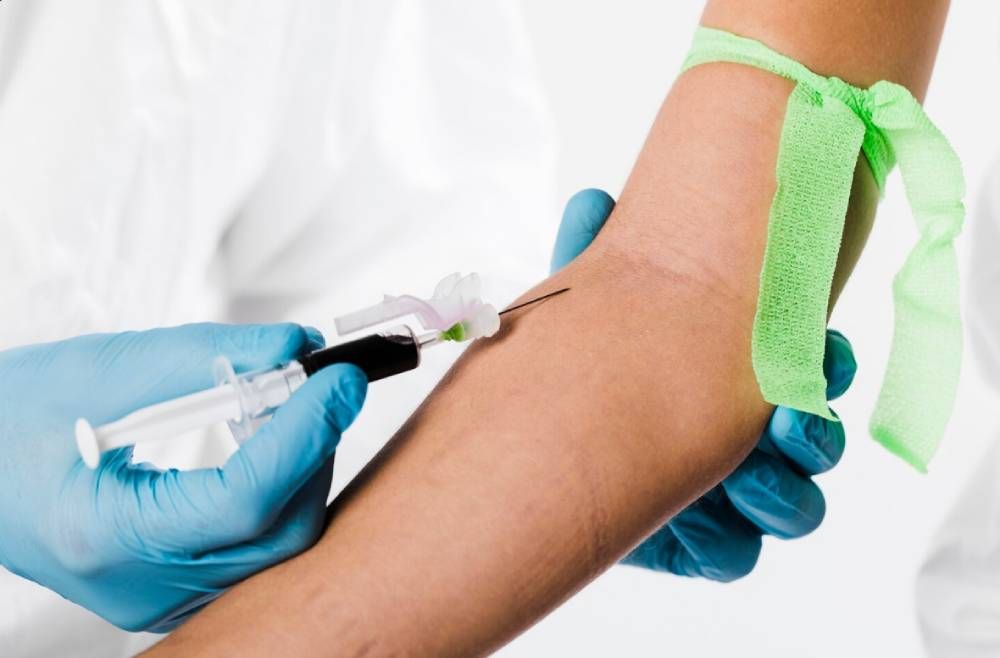
A fever that lingers for days can leave anyone anxious. Understanding how to diagnose viral fever early helps you and your doctor take the right steps. Seasonal shifts and monsoons across India bring a spike in viral infections — from dengue to influenza. This article walks you through the clinical evaluation process, the key blood tests involved, and what happens after a diagnosis of viral fever is confirmed.
When Should You Get Tested for Viral Fever?
Not every fever needs a blood test right away. However, certain signs suggest it is time to visit a doctor and get tested. Watch for these triggers:
- Fever persisting beyond 48–72 hours without improvement
- Severe body aches, chills, or overwhelming fatigue
- A seasonal outbreak in your area (monsoon-related dengue or flu season)
- Recent travel to regions with known viral activity
Timing matters for accuracy. For dengue, the NS1 antigen test works best within the first 7 days. After day 7, IgM antibody testing becomes more reliable. Your doctor will decide which test suits the stage of your illness.
How Do Doctors Clinically Evaluate Viral Infections?
Before ordering any test, your doctor starts with a hands-on assessment. This includes checking your temperature, examining your throat, and feeling for swollen lymph nodes. Your travel history and possible exposure to infected individuals also matter.
Clinicians review the full clinical picture — symptoms, timeline, and local disease patterns. For acute infections like dengue, management often begins even before test results arrive. This initial evaluation helps your doctor narrow down which blood tests are required for viral fever diagnosis and avoid unnecessary investigations.
Also Read: Monsoon Fevers: Common Causes and Diagnostic Panels
Which Blood Tests Are Required for Viral Fever Diagnosis?
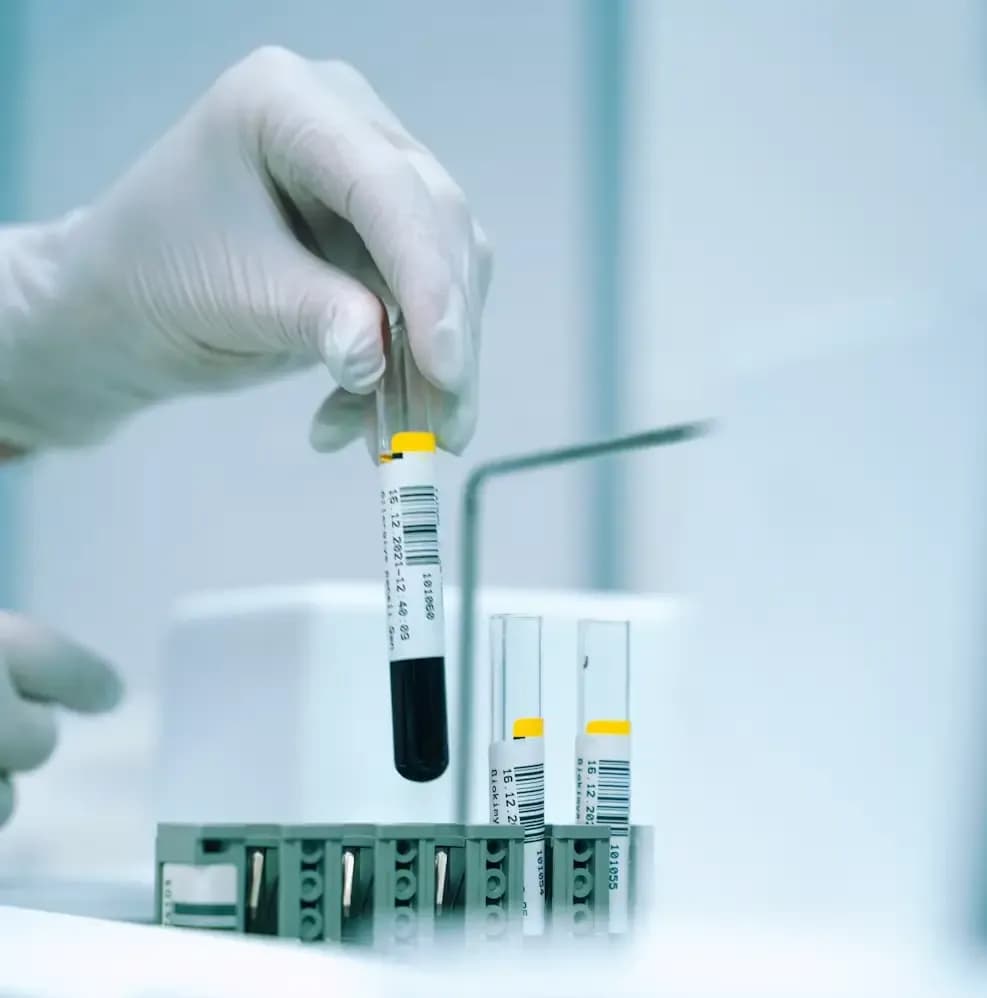
Several laboratory tests help identify and confirm viral infections. Here are the most commonly recommended ones:
Complete Blood Count (CBC) and Differential Count
A CBC is usually the first test ordered. It reveals important clues about your body's immune response. Key markers include the Total Leukocyte Count (TLC), lymphocyte percentage, neutrophil ratio, and platelet levels. In viral infections, platelet counts can fall below the normal range of 1,50,000–4,50,000 per microlitre — sometimes dropping to as low as 40,000 per microlitre between days 3 and 7 of fever. A low platelet count, called thrombocytopenia, often signals dengue or another severe viral illness.
That said, a CBC alone cannot confirm which virus is responsible. It points your doctor in the right direction.
Inflammatory Markers: CRP and Procalcitonin (PCT)
C-Reactive Protein (CRP) and Procalcitonin help distinguish viral from bacterial infections. Research suggests an optimal CRP cut-off of 22 mg/L and a PCT cut-off of 0.18 ng/mL for this purpose. Values below these thresholds lean towards a viral cause. Values well above often suggest a bacterial infection needing different treatment. Your doctor will interpret these results alongside your symptoms — never rely on a single marker alone.
Rapid Antigen and Serological Tests
For specific viruses, rapid diagnostic tests offer quick answers:
- Dengue NS1 antigen test: best within the first week of symptoms
- Dengue IgM antibody test: useful after day 7; antibodies remain detectable for roughly 3 months
- Rapid Influenza A/B test kits: screen for seasonal flu strains
A positive nucleic acid amplification test (NAAT) for dengue does not need further confirmatory testing.
Molecular Testing: RT-PCR
Reverse Transcription-Polymerase Chain Reaction (RT-PCR) is the gold standard for identifying viral RNA. It offers high sensitivity and specificity. Rapid molecular assays deliver results in about 15–30 minutes, while standard versions take 45–80 minutes. RT-PCR is especially valuable in the early days of infection when viral levels are highest.
Liver and Kidney Function Tests (LFT & KFT)
Prolonged or high-grade viral fever can strain your organs. Dengue, for instance, is known to cause liver injury through direct damage and immune-related responses. Doctors may order LFT and KFT to monitor organ health during severe or extended illness. If your doctor recommends these tests, it is a precautionary step — discuss any concerns with them directly.
How Can You Tell Viral Fever Apart From Bacterial Infection?
This is one of the most important questions in fever management. The table below offers a quick comparison:
| Indicator | Viral Infection | Bacterial Infection |
|---|---|---|
| White Blood Cell Count | Often low or normal | Usually elevated |
| CRP Level | Typically ≤22 mg/L | Often well above 22 mg/L |
| Procalcitonin (PCT) | Typically ≤0.18 ng/mL | Often elevated |
| Antibiotic Response | Ineffective | Effective |
Antibiotics target bacteria, not viruses. Taking antibiotics for a viral fever will not help and may contribute to antibiotic resistance. Always consult your doctor before starting any medication — self-medicating with antibiotics can do more harm than good.
What Happens After a Viral Fever Diagnosis?
Once a viral infection is confirmed, viral fever treatment focuses on managing symptoms rather than "curing" the virus. Clinical guidelines generally recommend symptomatic relief — not aggressive treatment of fever itself. Key management steps typically include:
- Antipyretic medicines (like paracetamol) for comfort
- Adequate hydration — water, nimbu paani, coconut water, ORS
- Sufficient rest to support recovery
- Antiviral medicines only when specifically prescribed by a doctor
Most viral fevers resolve on their own within 5–7 days. However, persistent symptoms, bleeding, or worsening fatigue warrant an immediate visit to your doctor. Treatment decisions should always be made by a qualified healthcare professional based on your specific condition.
Key Takeaways
Getting the right blood tests at the right time makes all the difference in how to diagnose viral fever accurately. A CBC, CRP, antigen tests, and RT-PCR each serve a distinct purpose — and your doctor will choose based on your symptoms and timing. Avoid self-medicating with antibiotics, and trust the diagnostic process.
If you have been running a fever for more than 2 days, getting tested is a smart next step. Lupin Diagnostics offers a comprehensive range of fever panels at NABL-accredited labs and convenient home collection services across India — making accurate diagnosis accessible and hassle-free.
Frequently Asked Questions
How many days after fever onset should a viral fever blood test be done?
For dengue, the NS1 antigen test is most accurate within the first 7 days. After day 7, IgM antibody testing is recommended. Your doctor will guide you as to which test to undergo based on your symptoms.
Can a Complete Blood Count (CBC) report confirm a viral infection?
A CBC can suggest a viral infection through patterns like low white blood cell counts and higher lymphocyte percentages. However, it cannot confirm the exact virus — specific antigen or molecular tests are needed for that.
What does low platelet count indicate during a viral fever?
A low platelet count (thrombocytopenia) may indicate dengue or another severe viral infection. It requires close monitoring because of the associated bleeding risk.
Is fasting required before taking a blood test for viral fever?
Fasting is generally not required for CBC Test, inflammatory markers, or viral antigen and antibody tests used in fever diagnosis.
Why are antibiotics ineffective after a viral fever diagnosis?
Antibiotics are designed to fight bacteria, not viruses. Viral infections need antiviral medicines or symptomatic treatment. Taking antibiotics unnecessarily can contribute to resistance.
How long does it take to get results for a viral fever blood panel?
Rapid molecular assays can deliver results in 15–30 minutes. Standard RT-PCR tests typically take 45–80 minutes. CBC and CRP results are usually available within a few hours.
This article is for informational and educational purposes only. It is not a substitute for professional medical advice, diagnosis, or treatment. Please consult a qualified healthcare provider for any health concerns or before making decisions related to your medical care.
Featured Articles

Sleep Deprivation Effects How Poor Sleep Impacts Your Heart And Kidney Health
Posted on: 22nd Jan 2026

What A Complete Blood Count (CBC) Tells You About Your Health
Posted on: 22nd Jan 2026

Screen Time Fatigue And Vitamin D Deficiency The Hidden Connection You Shouldn T Ignore
Posted on: 22nd Jan 2026