Book a Home Collection Now!
High Triglycerides: What Is It, Symptoms, Causes & How To Lower It?
October 23, 2026 - By Lupin Diagnostics
Your last blood test report showed a triglyceride number you didn't quite understand. You're not alone. High triglycerides affect millions of people, often without any obvious warning signs. When your body takes in more calories than it needs, it converts the excess into these blood fats. Left unchecked, elevated levels can harm your heart and pancreas. This article explains what the numbers mean and how to bring them down.
What Are High Triglycerides?
Triglycerides are fats your body uses for energy storage. After a meal, unused calories get converted into triglycerides and stored in fat cells. Cholesterol, by contrast, helps build cell walls and hormones. Both matter, but they serve different roles.
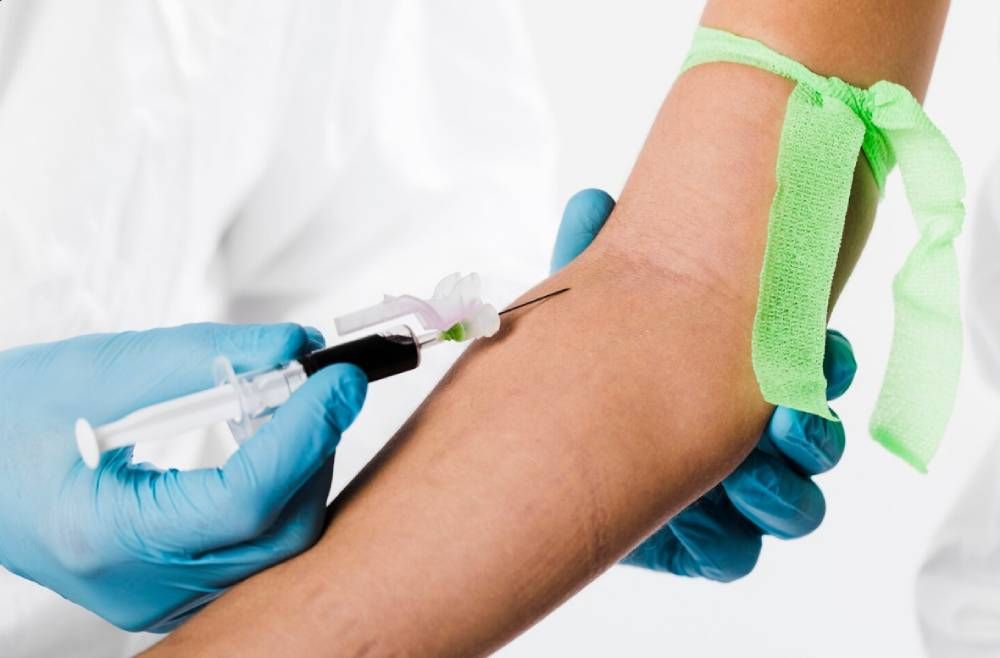
A fasting lipid panel reveals where you stand. Here's a quick reference chart based on standard guidelines:
| Triglyceride Level (mg/dL) | Category |
|---|---|
| Below 150 | Normal |
| 150–199 | Borderline High |
| 200–499 | High |
| 500 and above | Very High |
If your report shows borderline or high numbers, it is a signal worth acting on early. Please discuss your results with a qualified healthcare professional for personalised advice.
What Are Common High Triglycerides Symptoms?
Most people with moderately raised levels feel perfectly fine. That's what makes high triglycerides symptoms tricky. The condition is largely asymptomatic until levels climb steeply.
When triglycerides spike above 500 to 1,000 mg/dL, some visible and serious signs may appear:
- Eruptive xanthomas: Small, yellowish fatty bumps on the skin, often around elbows, knees, or buttocks
- Lipemia retinalis: A milky appearance of retinal blood vessels, detected during an eye exam
- Severe abdominal pain: A hallmark warning of acute pancreatitis, which can be life-threatening
Because symptoms usually appear only at dangerously high levels, routine blood tests remain the most reliable way to catch the problem early.
What Are The Main High Triglycerides Causes?
Several lifestyle and medical factors push triglyceride levels upward. The most common high triglycerides causes include:
- Excess calories, refined carbs, and added sugars: Diets heavy in sweets, maida-based snacks, and sugary drinks directly raise blood triglycerides.
- Heavy alcohol intake: Even moderate drinking can bump up levels significantly.
- Sedentary lifestyle: Too little physical activity slows triglyceride clearance from your blood.
- Uncontrolled type 2 diabetes and obesity: Both conditions are closely linked to elevated triglycerides.
- Hypothyroidism and kidney disease: These conditions alter how your body processes fats.
- Certain medications: Some beta-blockers and steroids can raise triglyceride levels as a side effect.
- Genetic factors: Familial hyperlipidaemia runs in families and can cause high levels despite a healthy lifestyle.
What Health Risks Do Persistently Elevated Triglycerides Carry?
Persistently raised triglycerides don't just sit quietly in your blood. Over time, they contribute to serious health complications:
- Atherosclerosis: Excess triglycerides promote plaque buildup inside artery walls, narrowing blood flow.
- Coronary artery disease: This arterial damage raises your risk of heart attacks and stroke.
- Non-alcoholic fatty liver disease (NAFLD): People with NAFLD face higher cardiovascular risk, and heart complications are a leading cause of death in such patients.
- Acute pancreatitis: elevated triglycerides are the third most common cause of this painful condition, responsible for 5 to 25% of episodes.
These risks are why catching and managing elevated triglycerides early truly matters. Seek guidance from your healthcare provider if your levels are persistently high.
How To Lower High Triglycerides Naturally
Simple, consistent changes in diet and activity can meaningfully bring levels down. The following strategies help lower triglycerides naturally:
| Strategy | What To Do |
|---|---|
| Cut refined carbs and sugars | Reduce maida-based foods, sweets, sugary drinks, and packaged juices. Fructose especially raises triglycerides. |
| Add omega-3 fatty acids | Include fatty fish, flaxseeds, or walnuts regularly. |
| Increase soluble fibre | Oats, dal, rajma, and seasonal fruits help. |
| Exercise regularly | Aim for at least 150 minutes per week of moderate activity — brisk walking, cycling, or swimming. |
| Manage weight | Even modest weight loss improves lipid levels. |
| Limit alcohol | Cutting back can produce noticeable improvements. |
Always speak with your doctor before starting a new exercise routine or making major dietary changes.
Which Medical Treatments Help With Very High Triglycerides?
When lifestyle changes alone are not enough, doctors may prescribe medication. This is especially true when levels remain above 500 mg/dL and pancreatitis risk is high.
Commonly prescribed options include:
- Fibrates: These can reduce triglycerides by as much as 50% and also boost good cholesterol (HDL).
- Prescription omega-3 fatty acids: At clinical doses, they lower triglycerides by 20% to 30%.
- Statins: Primarily for cholesterol, but helpful when cardiovascular risk is elevated.
- Niacin: Sometimes used alongside other medications for severe cases.
Medication decisions depend on your individual health profile. Your doctor will determine what is appropriate for you.
Moving Forward With Healthier Triglyceride Levels
High triglycerides rarely announce themselves with obvious symptoms, which is exactly why routine lipid testing is so valuable. Small, consistent changes to your diet, activity level, and habits can lower triglycerides meaningfully over weeks. The earlier you act, the better your heart and liver health will be in the years ahead.
Curious about where your triglyceride levels stand? Book a lipid profile test with Lupin Diagnostics at an NABL-accredited lab near you and take that first step towards clarity.
Frequently Asked Questions
What blood test shows high triglycerides?
Triglyceride levels are primarily measured using a standard Lipid Panel (or Lipid Profile), which also checks total, HDL, and LDL cholesterol. Other specific variations include a Fasting Lipoprotein Panel, a standalone Triglyceride Blood Test, and an Apolipoprotein B (Apo B) Test.
How fast can you lower your triglycerides?
With targeted dietary changes and regular exercise, many people see improvement within a few weeks. Omega-3 fatty acids at therapeutic doses have been shown to reduce levels by 20–30%.
Does walking lower triglycerides?
Yes. Moderate-intensity brisk walking helps your body clear triglycerides from the blood more efficiently, especially after meals.
What foods spike triglycerides the most?
Foods high in refined carbohydrates, added sugars, and alcohol tend to raise triglyceride levels the most. Think sugary drinks, sweets, and deep-fried snacks made with maida.
Is coffee bad for high triglycerides?
Research found that habitual coffee drinkers actually had lower triglyceride levels than non-drinkers.
Can stress cause high triglycerides?
Chronic stress raises cortisol levels, which can disrupt your body's fat metabolism and lead to higher triglycerides over time.
What is a dangerously high triglyceride level?
Levels above 500 mg/dL increase pancreatitis risk. Above 1,500–2,000 mg/dL, the risk rises dramatically and requires urgent medical intervention.
This article is for informational and educational purposes only. It is not a substitute for professional medical advice, diagnosis, or treatment. Always consult a qualified healthcare provider for any concerns about your health or before making changes to your diet, exercise, or medication.
Featured Articles

Dehydrated How To Make A Lifesaving Diy Rehydration Drink For Cholera Recovery
Posted on: 22nd Jan 2026
Diabetes Screening For Diagnosis And Prevention
Posted on: 25th Oct 2023

Eating To Recover: The Best Foods For Getting Back On Your Feet After Cholera
Posted on: 22nd Jan 2026