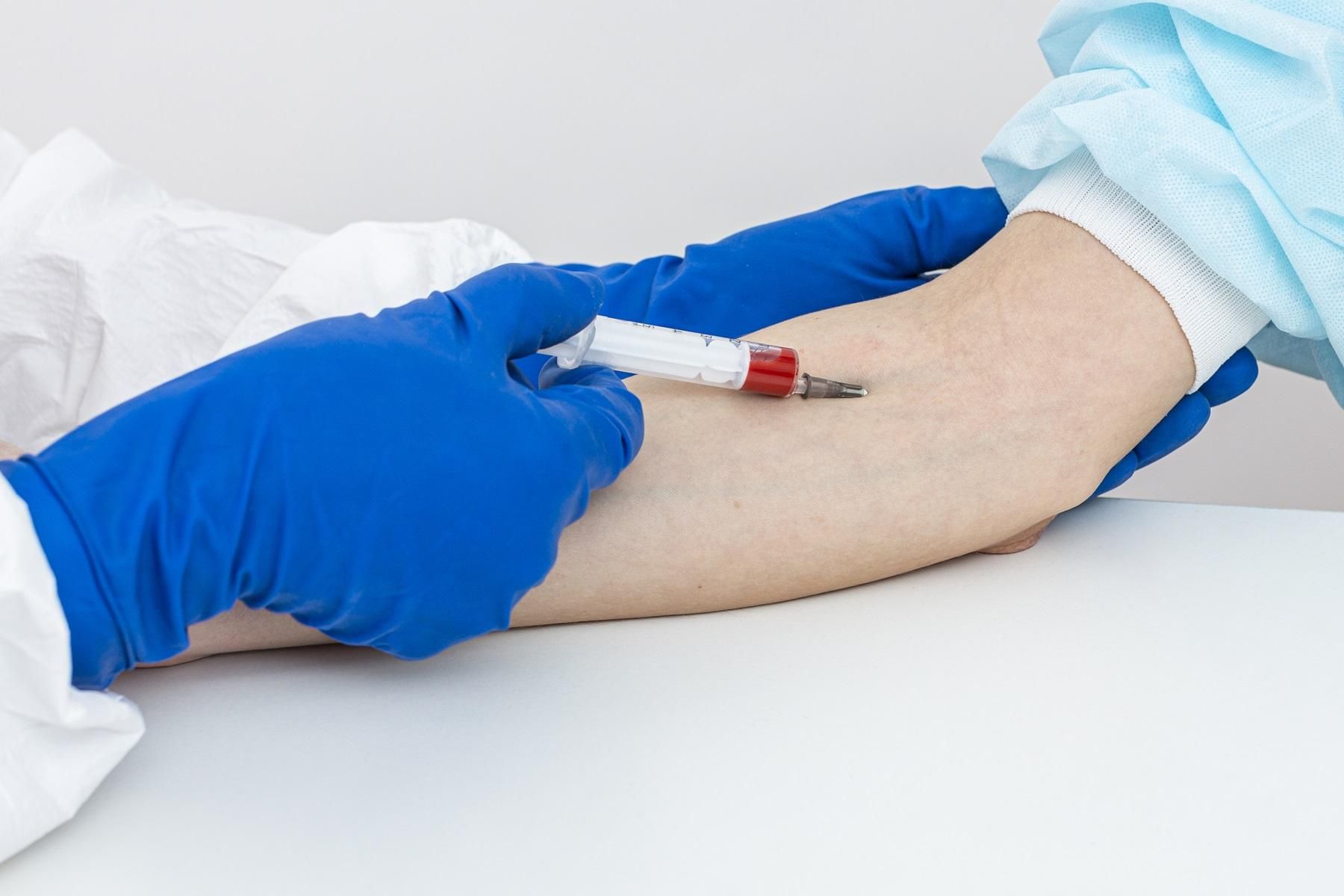
Triglycerides (Serum) Test: Booking, Price, and Results
About Triglycerides (Serum) Test: Booking, Price, and Results
| Field | Value |
|---|---|
| Also Known As | TG test, TRIG test, Triacylglycerol test, Serum TG, Fasting lipoprotein panel |
| Sample Type | Venous blood (serum) |
| Fasting Required | Yes – 8 to 10 hours of fasting required |
| Report Time | Within 24 hours |
| Recommended For | Adults of all genders; children aged 9 to 11 and 17 to 21 for routine screening |
| Price | Starting at ₹175 |
What Is a Triglycerides (Serum) Test?
A triglycerides (serum) test is a blood test that measures the level of triglycerides, a type of fat, circulating in your blood. Triglycerides are the body's main way of storing unused calories as fat for later use. Also called the TG test or TRIG test, it is often ordered as part of a fasting lipoprotein panel to assess your overall cardiovascular health.
What Does a Triglycerides (Serum) Test Measure?
The serum triglycerides test measures a single parameter: the concentration of triglycerides in the liquid portion of your blood. The table below explains what these measures are and why it matters.
| Parameter | What It Tells You |
|---|---|
| Triglycerides (serum) | The amount of fat stored in your blood that your body has not yet used for energy. Elevated levels are linked to an increased risk of heart disease and other conditions. |
Why Is a Triglycerides (Serum) Test Done?
A doctor may ask for a TG test for several reasons, including routine screening or investigation of risk factors. High triglyceride levels usually produce no noticeable symptoms, so testing is often the only way to detect a problem early.
Common Symptoms That May Require This Test
Although high triglycerides rarely cause direct symptoms, your doctor may request this test if you experience or present with the following:
- Unexplained weight gain or obesity
- Smoking and unhealthy eating habits
- A family history of heart disease or high blood fats
- Symptoms of diabetes
- Undergone anti-cholesterol treatment
- High blood pressure
- Swelling or deposits of fat under the skin (xanthomas), seen in inherited conditions
Conditions This Test Can Help Detect
The triacylglycerol test can help identify or assess a range of conditions. These include:
- High risk of coronary artery disease, heart attack, or stroke
- Metabolic syndrome and obesity-related disorders
- Type 2 diabetes or prediabetes
- Hypothyroidism (underactive thyroid)
- Kidney disease or nephrotic syndrome
- Inherited lipid disorders such as familial hypertriglyceridaemia
- Acute pancreatitis risk, particularly when levels are very high
- Fatty liver disease
Triglycerides (Serum) Test for Chronic Disease Monitoring
For people living with conditions such as diabetes or cardiovascular disease, triglyceride levels are checked regularly to track how well the condition is being managed. Doctors typically include this test as part of an annual review for patients with diabetes, alongside other lipid measurements. It is also used to monitor patients on lipid-lowering therapy and those with metabolic syndrome.
How to Prepare and What to Expect
Preparing correctly for this test helps ensure your results are accurate. Below is everything you need to know before your appointment.
Do You Need to Fast?
Yes, fasting is required. You should avoid eating or drinking anything other than plain water for 8 to 10 hours before sample collection. This is because food, particularly fatty or sugary meals, can temporarily raise blood triglyceride levels, affecting accuracy. You should also avoid alcohol for at least 24 hours before the test.
Practical Tips Before Your Test
A few simple steps will help make your test go smoothly:
- Drink enough water during the fasting period; water does not affect the results
- Avoid alcohol for 24 hours before your appointment
- Tell your doctor about all medications and supplements you are currently taking
- Wear a short-sleeved or loose-fitting top for easy access to your arm
- Avoid intense physical exercise the day before the test
Step-by-Step Procedure
Here is what happens from the time you arrive for your sample collection:
- The phlebotomist or healthcare professional will confirm that you have completed the required fasting period.
- You will be seated comfortably, and a small elastic band may be placed around your upper arm to make the vein easier to locate.
- You may be asked to make a fist gently to help the vein stand out.
- A small needle is inserted into a vein, usually in the crook of your elbow, and a few millilitres of blood are drawn into a collection tube.
- The needle is removed, and light pressure is applied to the site with a cotton swab or gauze.
- A small bandage is placed over the site, and your sample is labelled and sent to the laboratory for analysis.
Factors That Can Affect Accuracy
Several factors can influence your serum triglycerides test result. These include:
- Eating before the test, especially a high-fat or high-sugar meal
- Alcohol consumption 24 hours before the test
- Certain medications, including corticosteroids, beta-blockers, oestrogen-containing drugs, and some HIV medicines
- Periods of physical or emotional stress
- A recent serious illness; it is advisable to wait at least 6 weeks after a major illness before testing
- Poor hydration or dehydration at the time of collection
Understanding Your Triglycerides (Serum) Test Results
Your results show the concentration of triglycerides in your blood and are compared against established reference ranges. Always review your results with your doctor, who will consider them alongside your complete health picture.
| Category | Triglyceride Level (Adults) |
|---|---|
| Healthy | Below 150 mg/dL (below 1.7 mmol/L) |
| Borderline High | 150 to 199 mg/dL |
| High | 200 to 499 mg/dL |
| Very High | 500 mg/dL or above |
These ranges are general guidelines. Your doctor will interpret your results based on your age, health history, and other factors. Always consult a qualified healthcare professional for personalised medical advice.
Results During Special Conditions
Certain circumstances can cause triglyceride readings to differ from the standard ranges. Your doctor will take these into account when reviewing your results.
- During pregnancy, triglyceride levels naturally rise by two to three times due to hormonal changes. A higher-than-usual result during pregnancy does not necessarily indicate a problem.
- In poorly controlled diabetes, triglyceride levels are likely to be elevated. Consistent management of blood sugar can help bring levels closer to the normal range.
- Several medications, including corticosteroids, thiazide diuretics, beta-blockers, oral oestrogen, and some HIV medicines, can raise triglyceride levels as a side effect.
- Testing during or within 6 weeks of a serious illness or major stress event may produce temporarily elevated readings that do not reflect your usual baseline.
How to Maintain Healthy Levels
The following general lifestyle habits support healthy triglyceride levels:
- Aim for at least 30 minutes of moderate physical activity on most days of the week
- Reduce your intake of sugar, refined carbohydrates
Lupin Diagnostics Triglycerides (Serum) Test Price and Home Collection
The triglycerides (serum) test at Lupin Diagnostics is available at affordable prices across India, with convenient home sample collection offered in most cities.
| City | Approximate Price (₹) |
|---|---|
| Bhopal | ₹300 |
| Mumbai | ₹290 |
| Bangalore | ₹175 |
| Chennai | ₹280 |
| Hyderabad | ₹290 |
| Kolkata | ₹290 |
| Pune | ₹280 |
| Nagpur | ₹250 |
Prices are indicative and may vary by location. Please confirm the current price at the time of booking.
How to Book
- Select the test on the Lupin Diagnostics website.
- Choose your city and preferred time slot.
- Opt for home sample collection by a certified phlebotomist, or visit your nearest Lupin Diagnostics centre.
- Receive your report via email or WhatsApp within 24 hours.
Home Collection
Lupin Diagnostics offers home sample collection for the serum triglycerides test in cities across India, so you can complete your fasting period at home without travelling. All samples are processed in NABL-accredited laboratories by trained professionals. Your digital report is shared via email or WhatsApp once ready.
Frequently Asked Questions
The triglycerides (serum) test measures the amount of triglyceride fat in your blood. Doctors use it to assess your risk of heart disease, monitor chronic conditions such as diabetes, and check for metabolic disorders. It is often ordered as part of a full lipid profile.
Food, especially meals high in fat or sugar, temporarily raises triglyceride levels in the blood. Fasting for 9 to 12 hours before the test ensures that recent food intake does not distort your results, giving a true baseline reading.
Healthy adults are generally advised to have a fasting lipoprotein panel, which includes triglycerides, every five years. After the age of 40, annual testing is recommended for both men and women. People with diabetes, heart disease, or other risk factors may need more frequent checks.
Yes, several common medicines can raise triglyceride levels. These include corticosteroids, beta-blockers, thiazide diuretics, oral oestrogen preparations, certain antipsychotics, and some HIV medicines. Always inform your doctor about any medications you are taking before your test.
Triglycerides and cholesterol are both fats found in the blood, but they have different roles. Triglycerides store unused energy from the calories you eat. Cholesterol is used by the body to build cells and produce certain hormones. Both are typically measured together as part of a lipid profile.
The test is very safe. It involves a simple blood draw, which may cause a brief sting at the site of the needle. Some people experience minor bruising, which usually clears within a few hours. There are no serious risks associated with this test.
Very high triglyceride levels (500 mg/dL or above) may increase the risk of pancreatitis, a condition involving inflammation of the pancreas. Elevated levels are also associated with a higher risk of heart disease and stroke. Your doctor will advise on the appropriate next steps based on your full clinical picture.
Triglycerides (Serum) Test: Booking, Price, and Results