Book a Home Collection Now!
How Is Haemophilia Diagnosed and What Tests Are Required?
October 27, 2026 - By Lupin Diagnostics
A haemophilia diagnosis often begins with a worry — a bruise that seems too large, a cut that won't stop bleeding, or a family member's known condition. Understanding the tests involved can ease that anxiety. This article walks you through each step, from early warning signs to confirmatory blood tests and specialised genetic approaches.
When Should Someone Get Tested for Haemophilia?
Recognising the early signs is the first step in how to identify haemophilia. Some people notice symptoms in infancy. Others discover them much later in life.
Watch for these physical indicators in babies and young children:
- Unusual swelling or bruising after delivery
- Continued bleeding after a heel prick or vaccination
- Bruising that appears too easily, even from gentle handling
- Internal bleeding without an obvious cause
In older children and adults, prolonged bleeding after dental work, surgery, or minor injuries can raise a red flag. A family history of bleeding problems is another important trigger. Roughly one-third of babies with haemophilia have no known family history, so the condition can appear unexpectedly. If any of these signs sound familiar, a visit to a general physician is a good starting point.
Also Read: What Is Coagulopathy? Causes, Symptoms & Diagnosis
How Do Doctors Evaluate Medical History and Screen the Blood?
Clinical Evaluation
Before ordering tests, a doctor collects detailed family and personal information. This includes mapping which relatives have experienced unusual bleeding and noting any personal episodes, heavy bruising, joint swelling, or post-surgical bleeding. These details help establish whether haemophilia runs in the family or has appeared for the first time. Your doctor is the best person to evaluate these patterns and recommend next steps.
Initial Blood Screening Tests
Screening tests check whether your blood clots properly. Here is what each one measures:
| Test | What It Checks | Typical Result in Haemophilia |
|---|---|---|
| Complete Blood Count (CBC) Test | Platelet count and red blood cells | Normal platelet count |
| Activated Partial Thromboplastin Time (aPTT) Test | Clotting ability of factors VIII, IX, XI, XII | Prolonged (delayed clotting) |
| Prothrombin Time (PT) Test | Extrinsic clotting pathway | Normal |
| Fibrinogen Test | Factor I levels | Normal |
The aPTT test is especially important. It measures how long your blood takes to form a clot. When clotting factors VIII or IX are low, the time to clot extends beyond normal. However, mild haemophilia may sometimes show a normal aPTT result, which is why confirmatory tests matter.
What Are the Confirmatory Tests for Haemophilia Diagnosis?
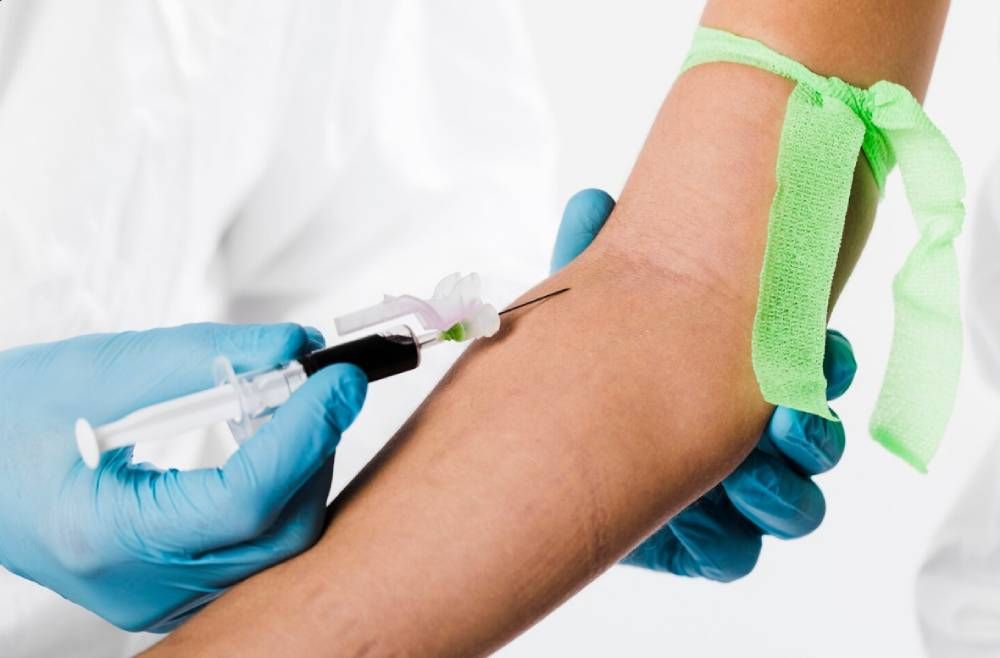
Factor assays are the core step in how to diagnose haemophilia. These tests measure the exact percentage activity of specific clotting proteins in your blood.
Factor VIII and Factor IX Assays
A Factor VIII assay is used to detect Haemophilia A. A Factor IX assay checks for Haemophilia B. Accurate measurement of these proteins confirms the type and guides the care plan. The lower the factor activity, the more significant the bleeding tendency.
Severity Classification
Doctors classify haemophilia into three levels based on factor activity:
| Severity | Factor Activity Level | Typical Bleeding Pattern |
|---|---|---|
| Mild | Greater than 5% to less than 40% | Bleeding after surgery or injury |
| Moderate | 1% to 5% | Occasional spontaneous bleeding |
| Severe | Less than 1% | Frequent spontaneous bleeding |
The normal factor level ranges from 50% to 150%. Knowing the severity helps doctors build the right treatment plan. Severity classification should always be done by a qualified haematologist.
What Specialised Diagnostic Approaches Are Available?
Prenatal and Foetal Testing
For expectant mothers who carry the haemophilia gene, prenatal tests can detect the condition before birth. Chorionic villus sampling (CVS) is performed in the first trimester. Amniocentesis is done in the second trimester. Both allow analysis of foetal DNA for haemophilia-related mutations.
Genetic and Carrier Testing
Women in affected families may need genetic testing to check whether they carry the altered gene. DNA analysis identifies the exact mutation in the Factor VIII or Factor IX gene, helping other family members understand their risk. Speak with a genetic counsellor before pursuing these tests.
Inhibitor Screening
Some patients with Haemophilia A develop antibodies against infused clotting factor. The Nijmegen Bethesda Assay detects these inhibitors, which can affect the effectiveness of replacement therapy.
Also Read: Hemophilia Diagnosis: Identifying Causes and Symptoms
What Happens After a Haemophilia Diagnosis?
Once the type and severity are confirmed, the journey shifts from diagnosis to management. Here is what typically follows:
- Referral to a haematologist for ongoing care
- Enrolment at a Haemophilia Treatment Centre for comprehensive support
- Creation of a personalised care plan based on factor activity levels
- Education for the patient and family about managing bleeding episodes
Early testing makes a real difference. Severe haemophilia is usually identified by 1 month of age, while mild cases may not surface until around 36 months of age. The sooner the diagnosis is confirmed, the sooner a care plan can be put in place to protect against complications.
If you or a family member has unexplained bleeding symptoms, getting the right blood tests is a practical first step. Lupin Diagnostics offers a wide range of blood tests, including clotting profiles, at NABL-accredited labs across India — with home collection available for added convenience.
Frequently Asked Questions
How is haemophilia diagnosed in newborn babies?
If there is a family history, a blood sample is taken after birth to check factor VIII or IX levels. Testing is usually repeated at six months to confirm the results.
Can a normal blood test detect haemophilia?
A routine aPTT test may show prolonged clotting time, but it can appear normal in mild cases or in carriers. Specific factor assays are needed for a reliable diagnosis.
What is the most definitive test for haemophilia?
Factor VIII and Factor IX assays are the most definitive tests. They measure exact clotting protein activity and confirm the type of haemophilia.
At what age is mild haemophilia usually diagnosed?
The median age at diagnosis for mild haemophilia is around 36 months. It is often discovered only after unusual bleeding following an injury or procedure.
How do doctors test for haemophilia carrier status?
Doctors use genetic testing to check whether a woman carries the altered gene responsible for haemophilia. DNA analysis can pinpoint the exact mutation.
Why is the aPTT test prolonged in haemophilia?
The aPTT test measures how well factors VIII, IX, XI, and XII work. When any of these factors is too low, blood takes longer than normal to clot.
This article is for informational and educational purposes only. It does not replace professional medical advice, diagnosis, or treatment. If you have concerns about bleeding symptoms or haemophilia, please consult a qualified healthcare provider for personalised evaluation and care.
Featured Articles

Dehydrated How To Make A Lifesaving Diy Rehydration Drink For Cholera Recovery
Posted on: 22nd Jan 2026
Diabetes Screening For Diagnosis And Prevention
Posted on: 25th Oct 2023

Eating To Recover: The Best Foods For Getting Back On Your Feet After Cholera
Posted on: 22nd Jan 2026