Book a Home Collection Now!
What Is Coagulopathy? Causes, Symptoms, and Diagnosis
June 5, 2026 - By Lupin Diagnostics
Have you ever noticed a small cut that wouldn't stop bleeding? What is coagulopathy, and why should it matter to you? It's a condition in which your blood struggles to form clots properly. Your body constantly balances bleeding and clotting. When that balance tips, even minor injuries can become serious. This article walks you through the causes, warning signs, and how doctors identify this condition.
How Does Blood Clotting Normally Work?
Think of clotting as a chain reaction. When a blood vessel is injured, your body launches a carefully coordinated process involving platelets and proteins called clotting factors.
First, platelets rush to the wound and form a temporary plug. Then, a series of clotting factors activate one another in sequence. Tissue factor initiates the cascade by activating Factor X and Factor IX. These reactions eventually produce fibrin, a protein that forms a mesh around the platelet plug, holding everything firmly in place.
When any part of this chain is missing or faulty, clots either form too slowly or don't form at all. That's essentially what coagulopathy is.
What Are the Common Causes of Coagulopathy?
The causes of coagulopathy fall into two broad groups: inherited and acquired.
Genetic Causes
Some people are born with clotting problems. The three most common inherited bleeding disorders are haemophilia A (missing Factor VIII), haemophilia B (missing Factor IX), and von Willebrand disease. These conditions run in families and are usually detected early in life.
Acquired Causes
Many coagulopathy cases develop later due to other health conditions or medications. Key triggers include:
- Liver dysfunction: The liver produces most clotting factors, so liver disease directly impairs clot formation
- Vitamin K deficiency: This vitamin is essential for producing factors II, V, VII, and X
- Anticoagulant medications: Blood thinners like warfarin deliberately slow clotting but can tip the balance too far
- Disseminated Intravascular Coagulation (DIC): A serious complication seen in severe infections, major trauma, or certain cancers, where the clotting system goes into overdrive and then exhausts itself
This information is educational. A haematologist can help determine the specific cause in your case.
How Can You Recognise Coagulopathy Symptoms?
Coagulopathy symptoms can range from mild to severe. They often show up in everyday situations you might initially dismiss. Watch for these signs:
- Frequent nosebleeds that are hard to stop
- Easy bruising, even from gentle bumps
- Tiny red or purple pinprick spots on the skin (called petechiae)
- Bleeding gums during brushing
- Prolonged bleeding from minor cuts or scrapes
- Unusually heavy menstrual periods
Some people also experience bleeding from the gastrointestinal or urinary tract. The severity depends on the underlying cause and which clotting factor is affected.
When Should You Seek Immediate Help?
Certain symptoms need urgent medical attention. Reach out to a doctor right away if you notice:
- Blood in your stool or urine
- Sudden, unexplained swelling in a joint (this could signal bleeding inside the joint)
- Severe headache after a head injury, which may indicate intracranial bleeding
These are emergency warning signs. Please contact your nearest hospital without delay.
How Is Coagulopathy Diagnosis Done?
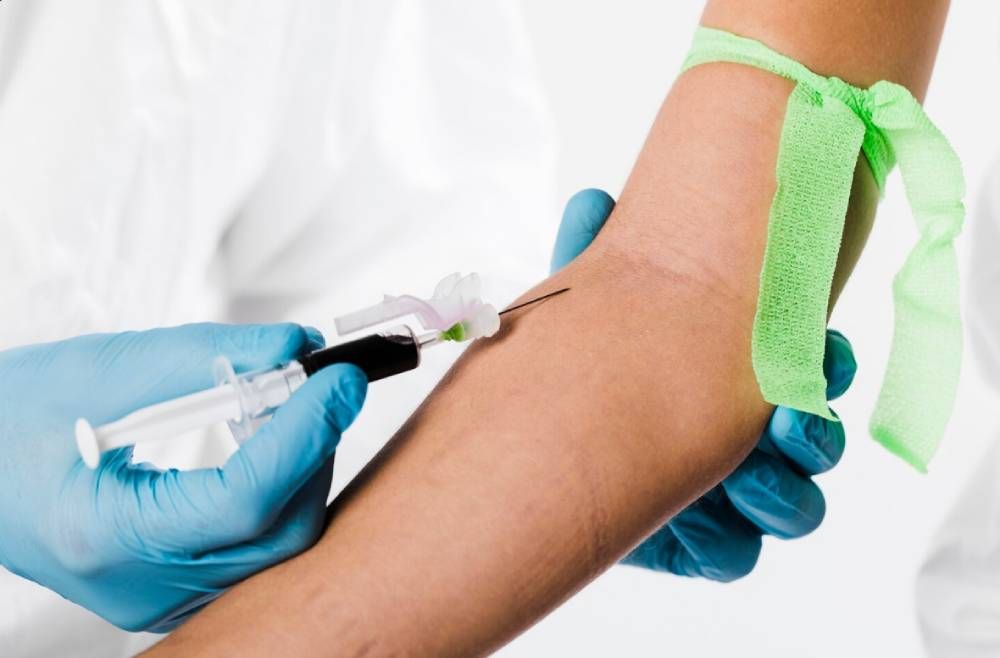
Coagulopathy diagnosis involves a series of specific blood tests. Here's what a typical evaluation looks like:
| Test | What It Measures | Normal Range |
|---|---|---|
| Complete Blood Count (CBC) | Platelet count and overall blood health | 1,50,000–5,00,000 platelets/mL |
| Prothrombin Time (PT) | Function of factors II, V, VII, X | 11.5–14 seconds |
| Activated Partial Thromboplastin Time (aPTT) | Function of factors VIII, IX, XI, XII | 25–40 seconds |
| Clotting Factor Assays | Levels of individual clotting factors | Varies by factor |
A prolonged PT often points to issues with vitamin K-dependent factors. An elevated aPTT with a normal PT may suggest haemophilia. If aPTT is elevated, doctors typically investigate Factor VIII and IX levels next.
What Are the Treatment and Management Options?
Treatment depends entirely on the underlying cause and severity. General approaches include:
- Plasma transfusions: Fresh-frozen plasma can replenish multiple deficient clotting factors at once
- Factor replacement therapy: Specific clotting factors are given for inherited deficiencies
- Vitamin K supplementation: Helpful when the deficiency is nutritional
- Medication adjustments: If blood thinners are causing the problem, a doctor may modify the dosage
Treatment decisions should always be made by a qualified healthcare professional based on your individual condition.
Key Takeaways
Coagulopathy affects your body's ability to form clots. Identifying the signs early — whether it's unexplained bruising or prolonged bleeding — can make a real difference in managing the condition well. Both inherited and acquired forms are treatable once correctly diagnosed through targeted blood tests.
If you've been experiencing unusual bleeding or want to check your clotting health, Lupin Diagnostics offers comprehensive blood test panels at NABL-accredited labs across India. Book a test today for peace of mind.
Frequently Asked Questions
Is coagulopathy the same thing as haemophilia?
Haemophilia is a specific type of coagulopathy caused by deficiency of Factor VIII or IX. Coagulopathy is a broad term encompassing all disorders in which blood clotting is impaired, including many acquired conditions.
Can liver disease trigger the sudden onset of an acquired coagulopathy?
Yes. Because the liver produces most clotting factors, liver disease is among the most common causes of acquired clotting problems.
What is the difference between hypercoagulability and coagulopathy?
They are opposites. Coagulopathy means your blood clots too slowly, leading to excessive bleeding. Hypercoagulability means your blood clots too easily, raising the risk of dangerous blood clots.
How do routine blood thinners impact a coagulopathy diagnostic panel?
Blood thinners like warfarin can prolong PT and aPTT results. Doctors factor in current medications when interpreting your test reports to avoid a misleading diagnosis.
Can a vitamin K deficiency cause someone to develop a bleeding disorder?
Yes. Vitamin K is needed to produce several key clotting factors. Without enough of it, your body cannot form clots effectively, which can lead to abnormal bleeding.
This article is for informational purposes only and does not replace professional medical advice, diagnosis, or treatment. If you have concerns about bleeding or clotting, please consult a qualified healthcare provider or haematologist for personalised guidance.
Featured Articles

Dehydrated How To Make A Lifesaving Diy Rehydration Drink For Cholera Recovery
Posted on: 22nd Jan 2026
Diabetes Screening For Diagnosis And Prevention
Posted on: 25th Oct 2023

Eating To Recover: The Best Foods For Getting Back On Your Feet After Cholera
Posted on: 22nd Jan 2026