Book a Home Collection Now!
Mumbai Sees Spike in Dengue and Malaria: Which Tests Should You Take?
August 20, 2026 - By Lupin Diagnostics
Every monsoon, Mumbai braces for more than just heavy rain. With a sharp spike in dengue and malaria in Mumbai this year, knowing which diagnostic tests to get has become urgent. According to the Brihanmumbai Municipal Corporation (BMC), Mumbai recorded 3,490 malaria cases between January 1 and July 14, 2025, compared with 2,852 cases during the corresponding period in 2024.
This article breaks down why dengue and malaria cases rise during the monsoon, the key symptoms to watch for, the essential diagnostic tests, and simple ways to stay protected.
Why Is There a Spike in Dengue and Malaria in Mumbai?
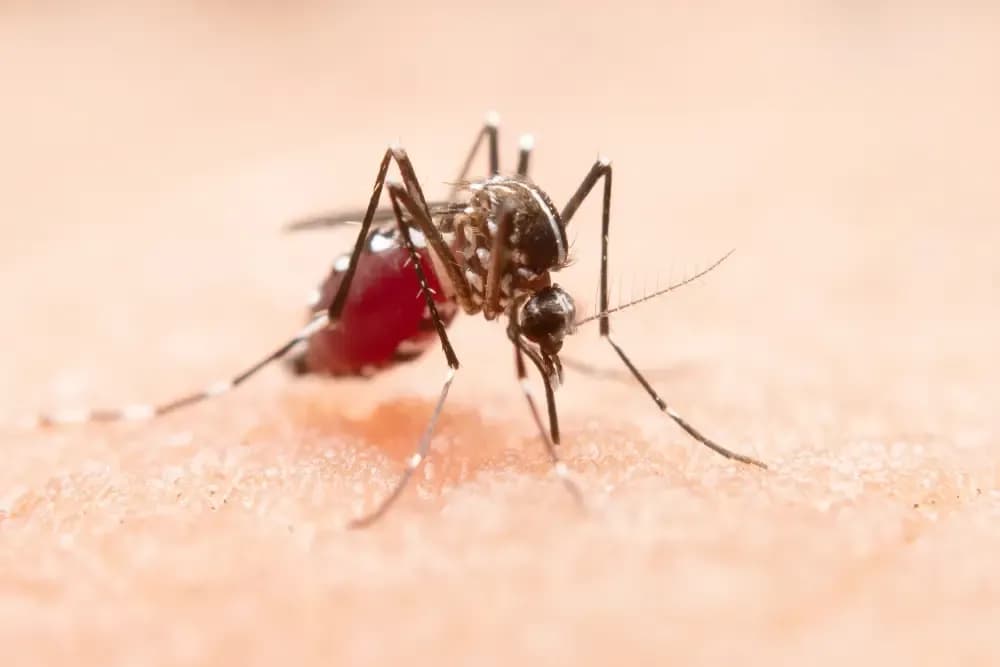
Early rains in May gave mosquitoes a head start this year. Waterlogged streets, construction site puddles, and high humidity created perfect breeding grounds for both Aedes aegypti and Anopheles mosquitoes.
BMC vector control teams found over 14,000 dengue mosquito breeding spots and 3,300 malaria breeding spots across the city.
Several factors drive the spike in dengue in Mumbai each monsoon:
- Stagnant water in discarded tyres, coolers, and flower pots
- Waterlogging in low-lying neighbourhoods after heavy downpours
- Open construction sites collecting rainwater
- Warm, humid conditions that speed up mosquito breeding cycles
BMC removed nearly 38,000 discarded items like old tyres to curb breeding. They also launched the "Zero Mosquito Breeding Campaign" after a visit from the National Center for Vector Borne Disease Control.
How Do You Tell Dengue, Malaria, and Leptospirosis Apart?
All three infections start with similar symptoms: high fever, chills, body aches, and fatigue. Clinically, it is difficult to differentiate dengue from malaria or leptospirosis based on symptoms alone. That overlap is exactly why the spike in dengue and malaria in Mumbai makes lab testing so important.
Leptospirosis adds another layer of risk. Wading through contaminated floodwater on Mumbai streets exposes you to the bacteria. Without a blood test, you could mistake it for a viral fever and delay the right treatment.
Your doctor is the best person to decide which tests you need based on your symptoms and exposure history.
Essential Diagnostics: Which Tests Should You Take Immediately?
When fever hits during monsoon, the right test at the right time matters. Here are the key diagnostics your doctor may recommend:
1. Complete Blood Count (CBC) With Platelet Tracking
A complete blood count (CBC) is usually the first test ordered. It tracks three critical markers:
- Platelet count drop: a rapid fall signals dengue severity
- Rising haematocrit (the proportion of red blood cells) alongside falling platelets is a WHO-listed warning sign
- White blood cell changes that hint at the type of infection
Daily CBC monitoring helps doctors catch internal bleeding risks early.
Hospitalisation decisions depend on clinical judgement; always follow your treating doctor's advice.
2. Dengue NS1 Antigen and IgM/IgG Antibody Tests
Timing matters here. The dengue NS1 antigen test works best within the first 7 days of fever onset. After day 7, IgM antibody testing becomes the primary diagnostic tool. Your doctor may order both together for a clearer picture.
3. Malaria Parasite Smear and Rapid Diagnostic Test (RDT)
The malaria smear test through microscopic examination remains the gold standard. A rapid diagnostic test offers a quicker alternative, with results from a simple finger prick in just 15–30 minutes. Both detect the Plasmodium falciparum and vivax species.
4. Leptospirosis IgM Screening
Wading through Mumbai's flooded streets exposes you to contaminated water. Leptospirosis screening through IgM-ELISA is recommended by the WHO for early diagnosis of this bacterial infection. This test is especially relevant if you have walked through floodwater and offers high sensitivity.
5. Fever Panel (Fever Profile Test)
A comprehensive fever panel screens for dengue, malaria, typhoid, and leptospirosis in a single blood sample. Since monsoon vector-borne diseases often overlap in symptoms, this bundled approach helps rule out co-infections efficiently.
When Should You Get Tested? A Symptom Timeline Guide
This table helps you understand which tests align with your symptom timeline:
| Symptom Day | Primary Signs | Recommended Tests |
|---|---|---|
| Day 1-3 | High fever, severe body ache, headache | CBC, Dengue NS1 Antigen, Malaria RDT/Smear |
| Day 4-7 | Persistent fever, fatigue, rash | CBC (daily), NS1 Antigen, Leptospirosis IgM |
| Day 7+ | Fever continuing, joint pain, bleeding signs | Dengue IgM/IgG Antibody, CBC, Fever Panel |
This guide is for general awareness only. Your doctor will determine the right tests based on your specific condition.
How Can You Prevent Monsoon Vector-Borne Diseases in Mumbai?
The BMC health advisory urges residents to take these steps:
- Drain stagnant water from flower pots, coolers, and overhead tanks weekly
- Dispose of old tyres, coconut shells, and open containers around your home
- Use mosquito nets while sleeping and apply repellent creams when outdoors
- Avoid walking through floodwater without protective footwear
- Report local sanitation concerns and mosquito breeding spots to your ward office
Stay Ahead of Monsoon Fevers With Early Testing
During a spike in dengue and malaria in Mumbai, early testing is your strongest defence. A simple CBC or NS1 antigen test within the first few days of fever helps doctors act before complications set in. Prompt recognition of warning signs and timely supportive care can reduce serious health risks significantly.
If you or a family member has persistent monsoon fever, do not wait it out. Book a fever panel or CBC at a Lupin Diagnostics centre near you, or schedule a home collection for hassle-free testing from NABL-accredited labs.
Frequently Asked Questions
How many days after a fever should you test for dengue in Mumbai?
Get an NS1 antigen test within the first 7 days of fever. If fever persists beyond day 7, an IgM antibody test becomes the primary diagnostic option.
Can you be infected with both dengue and malaria at the same time?
Yes, co-infections can occur, though they are uncommon. Comprehensive testing through a fever panel helps detect both infections simultaneously.
What is the fastest test to confirm malaria infection during monsoon?
A rapid diagnostic test (RDT) provides results within 15-30 minutes using a finger-prick blood sample. Microscopic blood smear remains the gold standard for confirmation.
When should a drop in platelet count require hospitalisation for dengue?
Hospitalisation is typically recommended when platelet counts drop rapidly alongside rising haematocrit or when warning signs like persistent vomiting appear. Your doctor will make this decision based on clinical assessment.
Is leptospirosis testing necessary if you waded through Mumbai floodwaters without a fever?
It is worth discussing with your doctor, especially if symptoms develop later. IgM-ELISA testing can help with early detection even before obvious symptoms appear.
How can you distinguish between monsoon viral flu and early dengue symptoms?
You often cannot tell them apart based on symptoms alone. Laboratory testing is the only reliable way to differentiate dengue from other monsoon fevers with similar presentations.
This article is for informational and educational purposes only. It does not substitute professional medical advice, diagnosis, or treatment. If you experience a fever or other symptoms during monsoon, please consult a qualified healthcare provider for personalised evaluation and care.
Featured Articles

Eating To Recover: The Best Foods For Getting Back On Your Feet After Cholera
Posted on: 22nd Jan 2026

What A Complete Blood Count (CBC) Tells You About Your Health
Posted on: 22nd Jan 2026

Constant Fatigue? Here’s What Your Blood Test Might Reveal
Posted on: 22nd Jan 2026