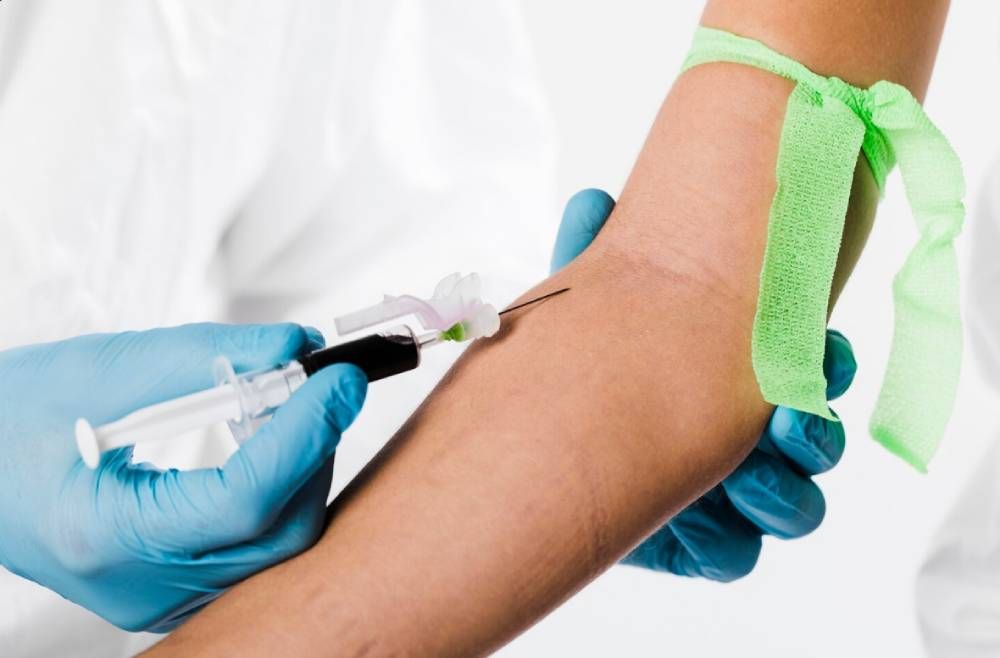

Book a Home Collection Now!
Obesity in Children: Symptoms, Causes and Prevention
October 16, 2026 - By Lupin Diagnostics
Has your child started feeling breathless after a short run in the park? Obesity in children has become one of the most pressing health challenges worldwide. Over 35 million children under five were overweight globally in 2024. Unlike adults, children's weight is not judged by a single BMI number. Instead, doctors compare a child's BMI against age- and sex-specific growth charts. This article covers the key symptoms, causes, and practical family strategies that may help prevent early weight gain.
How Is Childhood Obesity Defined?
A child is considered obese when their Body Mass Index (BMI) falls at or above the 95th percentile for their age and sex. This means they weigh more than 95 out of 100 children of the same age group.
The table below clarifies the difference between overweight and obese categories:
| Category | BMI-for-Age Percentile |
|---|---|
| Healthy Weight | 5th to below 85th |
| Overweight | 85th to below 95th |
| Obese | 95th percentile or above |
These percentiles matter because children's bodies change rapidly. A paediatrician uses standardised growth charts to track trends over time rather than relying on a single reading.
What Are the Key Obesity Symptoms in Children?
Many signs of childhood obesity develop gradually, making them easy to overlook. Watch for these physical and behavioural warning signs:
- Breathlessness during play — getting winded after short bursts of running or cycling
- Joint discomfort — complaints of knee or ankle pain during everyday activities
- Snoring or disrupted sleep — restless nights and daytime sleepiness may signal sleep apnea
- Skin rashes — friction marks in skin folds, especially around the neck or thighs
- Early fatigue — tiring much faster than peers during school or outdoor games
- Emotional changes — withdrawal from social activities, low mood, or anxiety
These signs can overlap with other conditions. A qualified healthcare professional can help determine the underlying cause.
What Are the Primary Causes of Obesity in Children?
There is rarely a single reason behind early weight gain. Obesity causes in children usually involve a mix of factors working together:
- Dietary patterns: Regular intake of sugary beverages, packaged snacks, and fried foods adds excess calories. Skipping home-cooked meals like dal-rice or roti-sabzi in favour of processed options compounds the issue.
- Sedentary habits and screen time: Too much time on phones and tablets can lead to poor sleep, weight gain, and lower academic performance.
- Genetics: Family history plays a role. If parents carry excess weight, children may be more predisposed — though genes alone don't determine outcomes.
- Sleep and stress: Children who don't get enough sleep face a higher risk of unhealthy weight gain. Emotional stress can also trigger comfort eating.
What Health Risks Does Child Obesity Carry?
Children carrying excess weight face both physical and emotional complications that can follow them into adulthood.
| Physical Risks | Emotional Risks |
|---|---|
| Type 2 diabetes | Low self-esteem |
| High blood pressure | Anxiety and depression |
| Fatty liver disease | Social withdrawal |
| Asthma and sleep apnea | Bullying and isolation |
Children who remain obese are more likely to develop heart disease and diabetes at a younger age than their peers. The emotional toll can be just as significant — affecting confidence, friendships, and school performance.
If your child shows any of these signs, speaking with a paediatrician is a helpful first step.
How to Prevent Children from Getting Obese
The good news? Small, consistent family habits can make a real difference. Here are actionable steps on how to prevent children from obesity:
- Cook together at home. Prioritise balanced meals — think dal, seasonal vegetables, curd, and whole grains over packaged snacks.
- Encourage active play. Children need at least 60 minutes of moderate-to-vigorous physical activity every day. Cricket, cycling, skipping, or even a walk after dinner counts.
- Limit screen time. Aim for 2 hours or less of recreational screen time daily.
- Prioritise sleep. A regular bedtime routine supports healthy weight and better mood.
- Use non-food rewards. Celebrate achievements with a trip to the park or a new book — not sweets or fast food.
- Lead by example. Children mirror what they see. When the whole family eats well and stays active, it feels normal rather than forced.
These are general wellness suggestions. Your child's paediatrician can provide guidance tailored to their specific needs.
When Should You Consult a Paediatrician?
If your child's weight has been climbing steadily on growth charts, or if you notice any of the symptoms mentioned earlier, a conversation with your paediatrician can bring clarity. The focus should always be on overall wellness — not strict dieting. Even small, gradual weight changes can positively impact a child's current and future health.
Conclusion
Obesity in children is a challenge, but it is also reversible with the right support. Early lifestyle adjustments — made together as a family — lay the foundation for lifelong health. The most powerful change starts at home, with patience and encouragement rather than pressure.
If you'd like to track your child's health markers, Lupin Diagnostics offers comprehensive health check-ups at NABL-accredited labs across India — a simple way to stay informed and proactive.
Frequently Asked Questions (FAQs)
How is obesity diagnosed in children?
Doctors diagnose obesity when a child's BMI is at or above the 95th percentile for their age and sex, as defined by standardised growth charts. This comparison accounts for the natural body changes children go through at different ages.
What laboratory and blood tests are done to diagnose obesity?
Obesity is diagnosed using physical measurements like BMI, but blood tests identify underlying causes and complications. Doctors order a fasting glucose test and HbA1c test for diabetes screening, a lipid panel test for heart health, liver tests for fatty liver disease, and thyroid function test (TSH) or hormone panels to rule out conditions like hypothyroidism or Cushing's syndrome.
What are the early warning signs of child obesity?
Common early signs include breathlessness during physical activity, snoring, joint discomfort, and unusual fatigue. Behavioural changes, such as social withdrawal, may also appear.
Can childhood obesity be reversed?
Yes, childhood obesity is reversible with sustained lifestyle changes. Even modest weight reductions can meaningfully improve a child's health outcomes.
Is childhood obesity caused by genetics?
Genetics is one contributing factor, but it works alongside eating habits, physical activity levels, and sleep patterns. Family lifestyle choices also play a significant role.
How much daily exercise does a child need?
Children should get at least 60 minutes of moderate-to-vigorous physical activity each day. Activities like running, swimming, or active play all count.
What health risks are linked to childhood weight?
Excess weight in childhood raises the risk of heart disease, type 2 diabetes, anxiety, depression, and low self-esteem. These risks can persist into adulthood if unaddressed.
This article is for informational and educational purposes only. It is not a substitute for professional medical advice, diagnosis, or treatment. Please consult a qualified healthcare provider — such as your child's paediatrician — for any concerns about your child's health or weight.
Featured Articles
Diabetes Screening For Diagnosis And Prevention
Posted on: 25th Oct 2023

Eating To Recover: The Best Foods For Getting Back On Your Feet After Cholera
Posted on: 22nd Jan 2026

What A Complete Blood Count (CBC) Tells You About Your Health
Posted on: 22nd Jan 2026