Loading Health Condition Content...

Your cart is empty
Add tests or packages to get started
Loading Health Condition Content...
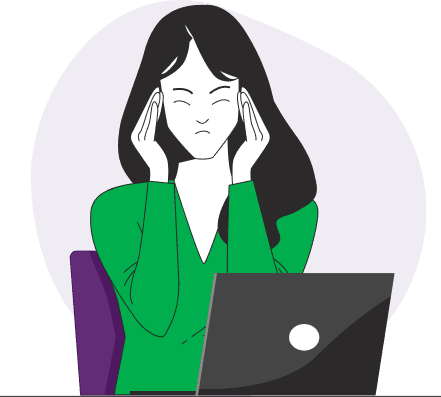
Stress and anxiety are common experiences, but when they become constant or overwhelming, they can affect emotional balance, physical health, work performance, and relationships. While short-term stress is a normal reaction to challenges, long-term stress and persistent anxiety symptoms may require attention and proper evaluation.
Stress is the body’s natural response to pressure or perceived threats. It activates the “fight or flight” system, releasing hormones that prepare you to react quickly. Anxiety, however, involves ongoing worry or nervousness that may persist even without a clear danger.
Common anxiety symptoms may include:
Occasional stress is normal, but chronic stress without proper stress management can lead to burnout symptoms and long-term health issues.
Mental health concerns are rising rapidly across India.
Key trends include:
Despite this growing burden, many individuals delay seeking help due to stigma or lack of awareness, highlighting the need for early mental health testing and education.
Recognizing early warning signs allows timely support.
Persistent anxiety symptoms or burnout symptoms lasting weeks should prompt consideration of a mental health test.
Effective stress management combines lifestyle habits, emotional awareness, and professional support when needed.
If anxiety symptoms interfere with daily life, counseling or therapy can help build coping skills and reduce stress levels.
Understanding anxiety triggers helps you recognize patterns early.
Identifying triggers is a key step in effective stress management.
Mental health is as important as physical health. Prioritising it means:
Taking small, consistent steps toward self-care can significantly improve resilience and emotional well-being.
Mental health testing helps assess the severity of stress and anxiety and guide support strategies.
Prioritizing mental health, recognizing anxiety symptoms early, and considering appropriate mental health testing can help you regain balance and prevent long-term emotional exhaustion.
A stress test in mental health usually refers to structured assessments (questionnaires or clinical evaluations) that gauge stress severity and its impact on daily life.
Persistent worry, restlessness, rapid heartbeat, sleep disturbance, and difficulty concentrating are common signs.
Yes. Chronic stress can cause headaches, muscle tension, digestive issues, and fatigue.
Stress management improves emotional regulation, reduces anxiety triggers, and enhances overall well-being.
If stress or anxiety interferes with daily life, causes persistent distress, or persists despite self-care efforts, seek professional support.