Book a Home Collection Now!
Dengue Symptoms in Adults and Children: Which Tests Are Needed for Diagnosis?
May 22, 2026 - By Lupin Diagnostics
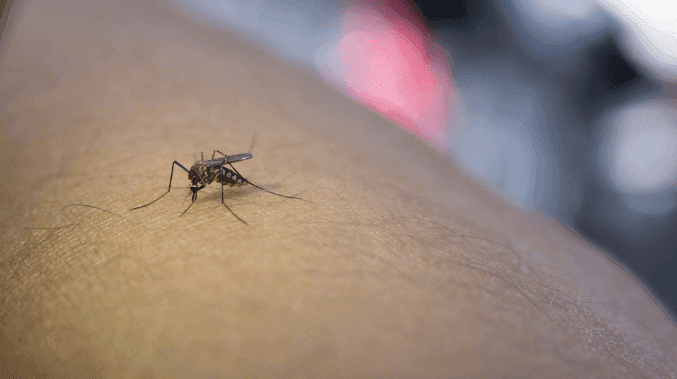
Dengue, often called "break-bone fever", is a viral infection spread through mosquito bites. The female Aedes aegypti mosquito is the primary carrier. This species thrives in tropical and subtropical regions, making India especially vulnerable during and after the monsoon season. Stagnant water in coolers, flower pots, and overhead tanks gives these mosquitoes ideal breeding grounds right inside our homes.
According to the National Center for Vector Borne Diseases Control (NCVBDC), 121824 cases were reported in 2025 alone. That number underlines why awareness matters now more than ever. Recognising dengue symptoms early makes a real difference in how quickly you get the right care. This article walks you through how dengue shows up in adults and children, which tests confirm the diagnosis, and what warning signs demand urgent attention.
Dengue Symptoms in Adults: Common Warning Signs
Dengue symptoms in adults typically appear suddenly. The most recognised warning signs include:
- High fever, often reaching 40°C or above
- Severe headache, especially behind the eyes
- Muscle and joint pain (the reason for the "break-bone" nickname)
- Nausea and gastrointestinal discomfort
- Skin rash that may appear a few days into the illness
Adults may also show a drop in white blood cell count and platelet levels in their blood test reports. Most people recover within one to two weeks. However, some cases progress to a more serious stage.
If your fever persists beyond two days with any of the above signs, consult a doctor promptly.
Dengue Symptoms in Children: How They Differ
Dengue symptoms in children can be tricky to spot. Younger children and infants may not describe what hurts. Instead, parents often notice increased irritability and poor feeding. Sleep patterns may shift noticeably too.
The rash in children can mimic other viral illnesses like chikungunya or even a simple viral fever. This overlap makes timely testing even more important. Infants and young children also face a higher risk of developing severe dengue because their immune systems are still developing.
Please speak with your paediatrician if you notice persistent fever, fussiness, or rashes in your child.
Which Tests Are Needed for Dengue Diagnosis?
Timely testing is the fastest route to a confirmed diagnosis. The right dengue test depends on how many days have passed since symptoms began. Here is a quick guide:
| Test | Best Timing | What It Detects |
|---|---|---|
| Dengue NS1 Antigen Test | Day 1 to Day 7 | Viral protein (confirms active infection) |
| IgM Antibody Test | Day 4 onwards | Early immune response (stays detectable up to 3 months) |
| IgG Antibody Test | After Day 7 | Past or secondary infection |
| CBC (Complete Blood Count) | Throughout illness | Platelet count and white blood cell monitoring |
The dengue NS1 antigen test is the most reliable option during the first week of illness. A positive result confirms acute dengue. As the illness progresses, IgM and IgG antibody tests become more useful. A CBC helps your doctor track platelet levels, which can drop significantly in dengue.
Your doctor will decide which combination of tests suits your situation.
What Are the Warning Signs of Severe Dengue?
Severe dengue, including dengue haemorrhagic fever (DHF), requires immediate medical attention. Recognising these severe dengue signs, particularly as the fever starts to settle, can be lifesaving.
Seek urgent medical care if you notice:
- Persistent vomiting that does not improve
- Intense abdominal pain
- Bleeding from the gums, nose, or other mucosal surfaces
- Rapid or difficult breathing
- A sudden drop in platelet count alongside rising haematocrit levels
Platelet depletion is a hallmark concern. A rapid fall in platelet count alongside rising haematocrit levels signals that the body may be losing fluid internally.
How Can You Protect Your Home From Dengue?
Prevention starts right at your doorstep. Aedes mosquitoes breed in stagnant water found in everyday household items. Here are practical steps every family can take:
- Empty and scrub coolers, flower pots, and water tanks weekly
- Discard old tyres, broken containers, and unused pitchers
- Use mosquito repellent creams or coils, especially during dawn and dusk
- Sleep under mosquito nets, particularly for infants and young children
- Keep doors and windows screened where possible
Removing standing water even once a week can break the mosquito breeding cycle significantly.
Conclusion: Early Detection Saves Lives
Dengue symptoms usually appear 4 to 10 days after a bite and last about a week. Most infections resolve on their own. However, recognising severe dengue signs early can make the difference between a routine recovery and a medical emergency. An NS1 antigen test within the first few days gives the clearest answer.
If you or someone in your family has a sudden fever during monsoon season, getting tested early is the smartest step. Lupin Diagnostics offers dengue NS1 antigen tests, IgM/IgG antibody tests, and CBC tests at NABL-accredited labs and through home collection services across India.
Frequently Asked Questions
How soon do dengue symptoms appear after a bite?
Symptoms typically show up 4 to 10 days after the bite of an infected mosquito. This incubation period means a fever that starts a week after travel to a dengue-prone area could be dengue.
What is the most accurate test for dengue on Day 1?
The NS1 antigen test is the most reliable early test. A positive result on Day 1 confirms an active dengue virus infection.
Can dengue symptoms be mild in children?
Yes, especially in infants and young children. Symptoms often resemble common viral illnesses, making dengue harder to identify without a blood test.
Does every dengue case require hospitalisation?
Most patients recover within 1 to 2 weeks with rest and fluids at home. However, those showing warning signs of severe dengue need hospital care promptly.
What is a dangerously low platelet count in dengue?
Platelet counts below 20,000 per microlitre are generally considered high-risk for bleeding. Your doctor will monitor platelet trends through regular CBC tests.
Can you get dengue twice?
Yes. Infection with one strain gives lifelong protection only against that specific strain. You can still catch a different strain and may even face a higher risk of severe dengue.
What medicine should be avoided during dengue?
Aspirin, ibuprofen, and other NSAIDs should be avoided, as they can increase bleeding risk. Always check with your doctor before taking any medication during dengue.
Is dengue contagious from person to person?
Dengue does not spread directly between people. It requires a mosquito as the carrier, so an infected person cannot pass it on through touch or breathing.
This article is for informational and educational purposes only. It is not a substitute for professional medical advice, diagnosis, or treatment. If you suspect dengue or any other health condition, please consult a qualified healthcare provider for guidance tailored to your situation.
Featured Articles
Diabetes Screening For Diagnosis And Prevention
Posted on: 25th Oct 2023

Eating To Recover: The Best Foods For Getting Back On Your Feet After Cholera
Posted on: 22nd Jan 2026

What A Complete Blood Count (CBC) Tells You About Your Health
Posted on: 22nd Jan 2026