Book Your Health Check-up
Lupikavach Lavender Female
 Blood Sample
 Free Home Collection
 Digital Smart Report
 Recommended for Male/Female
 NABL & CAP Certified Labs
 Trusted by Leading Doctors & Organizations
The Lupikavach Lavender Female package is beneficial for women with a family history of illness or bad lifestyle choices. It includes comprehensive tests and panels to identify a wide range of diseases, offering detailed insights on heart, kidney, liver, thyroid, bone, diabetes, anemia, vitamin deficiencies, cancer screening, hormones, and allergies.
What is Lupikavach Lavender Female Used For?
Undergoing a Lupikavach Lavender Female package is important for several reasons:
-
 To detect diabetes or prediabetes and manage long-term blood sugar control.
-
 To assess overall health, detect anemia, infections, and inflammatory conditions.
-
 To evaluate cholesterol and triglyceride levels and assess the risk of heart disease.
-
 To monitor kidney health and function, detecting potential issues like chronic kidney disease.
-
 To assess liver health, helping identify liver diseases.
-
 To check for urinary tract infections, kidney function, and other metabolic conditions.
-
 To evaluate thyroid gland function.
-
 To detect deficiencies of vitamin B12 and vitamin D.
-
 To detect iron deficiency or overload, which can lead to anemia or other health issues.
-
 To identify potential allergens that could trigger allergic reactions.
-
 To evaluate adrenal function and stress response by measuring cortisol levels in the morning.
-
 To detect muscle damage or injury and assess heart and brain health.
-
 To detect insulin resistance and related health risks.
-
 To assess ovarian health.
-
 To diagnose or monitor rheumatoid arthritis and other inflammatory conditions.
-
 To detect conditions like pancreatitis and digestive issues.
-
 To detect inflammation levels and evaluate cardiovascular disease risk.
Who Should Get Tested?
It is recommended that all women get a Lupikavach Lavender Female package done, especially if they are between 25 and 40 years old. But women with pre-existing medical issues or risk factors like obesity, a sedentary lifestyle, or hypertension may need to consider testing at an earlier age and at more frequent intervals.
Which Tests are Included in Lupikavach Lavender Female Test?
The Lupikavach Lavender Female offers the following tests for comprehensive health screening:
Blood sugar-fasting: Measures blood sugar levels after an overnight fast (10-12 hours) to assess blood sugar control.
Hemoglobin (Hb)A1c: Measures average blood glucose over 8-12 weeks, crucial for diagnosing and managing diabetes.
Hemogram: Evaluates blood components (RBC, WBC, Hb, platelets, etc.) and inflammation (ESR) to assess overall health.
Lipid profile: Measures cholesterol and triglyceride levels to assess the risk of cardiovascular diseases such as heart attack and stroke.
Kidney Function Test (KFT) GOLD: Evaluates kidney health by measuring urea, creatinine, uric acid, protein, and electrolytes, helping to detect conditions such as diabetes and high blood pressure.
Liver Function Test (LFT) GOLD: Assesses liver health by measuring enzymes and proteins, useful for diagnosing liver infections, jaundice, and cirrhosis.
Complete Urine Examination: Analyzes urine's physical and chemical properties to diagnose urinary tract infections, kidney diseases, and metabolic disorders.
Thyroid Profile Total: Measures Total T3, Total T4, and TSH to evaluate thyroid function and diagnose thyroid disorders such as hypothyroidism or hyperthyroidism.
Vitamin B12: Assesses vitamin B12 levels. Vitamin B12 deficiency can cause anemia and nervous system issues.
Vitamin D (25 OH): Measures vitamin D levels. Abnormal vitamin D levels affects bone health and can cause fatigue or kidney problems.
Iron Studies: Measures blood iron levels to detect and monitor anemia or iron overload.
Creatine Phosphokinase (CPK): Measures CPK enzyme levels. Elevated levels of CPK may indicate muscle injury or heart disease.
Rheumatoid Factor (RA): Measures rheumatoid factor in blood. High RA levels suggest chronic inflammation, often associated with rheumatoid arthritis.
Lipase Amylase: Measures digestive enzymes (lipase and amylase) in the blood. Abnormal levels of these digestive enzymes could suggest potential kidney problems or pancreatitis.
High-Sensitivity C-Reactive Protein (hs-CRP): Detects low CRP levels. It is used to evaluate inflammation levels and determine the risk of stroke and heart disease.
Follicle-Stimulating Hormone (FSH): Measures FSH levels to diagnose fertility issues and pituitary gland disorders.
Preparation for Test
The Lupikavach Lavender Female requires a blood sample to be taken following a 12-hour fasting period. While fasting, individuals may only consume water. The urine sample should be collected as the mid-stream sample of the first urine passed in the morning.
Please tell your healthcare provider if you are taking any medications before undergoing this test package, as certain medications may interfere with the accuracy of the test results.
Interpretation of Test Results
Blood sugar-fasting
| Fasting Blood Sugar (mg/dL) | Result |
|---|---|
| Less than 99 | Normal |
| Between 100 – 125 | Pre-diabetes |
| 126 and above | Diabetes |
- Fasting blood sugar between 100-125 mg/dL indicates pre-diabetes. Your healthcare provider may recommend that you repeat this test every year or two.
- Blood sugar levels above 126 mg/dL may indicate diabetes. High glucose levels could indicate a disorder of the pancreas, hyperthyroidism, or stress due to surgery.
HbA1c
| Test Interpretation | Results |
|---|---|
| Normal | Below 5.7% |
| Prediabetic | 5.7 – 6.4% |
| Diabetic | Above 6.5% |
- Having higher-than-normal HbA1c levels indicates that you have too much sugar in your blood. Long-term elevated sugar levels may lead to diabetes complications such as serious health problems like hypertension, eye disorders, diabetic foot, etc.
- Having lower-than-normal HbA1c levels indicates that you have low sugar levels in your blood. It may suggest inflammation or liver function abnormalities.
Haemogram (CBC + ESR )
| Parameters | Normal Ranges |
|---|---|
| RBC | 4.2 – 6.1 million cells/mcL |
| WBC | 4,500 – 11,000 cells/mcL |
| Platelet | 150,000 – 450,000 / dL |
| Hb | 12.1 – 15.1 gm/dL |
| Hematocrit | 36.1% – 44.3% |
| MCV | 80 – 95 femtoliter |
| MCH | 27 – 31 pg/cell |
| MCHC | 32 – 36 gm/dL |
| ESR | 0 – 20 mm/hr |
- Abnormal levels of hemoglobin, hematocrit, or RBCs can be signs of anemia, heart disease, or iron deficiency.
- A low white blood cell count might be caused by a bone marrow disorder, an autoimmune disorder, or cancer.
- A high white blood cell count may be because of inflammation, infection, or a reaction to a medication.
- High ESR may be an indication of the conditions that cause inflammation, such as arthritis, kidney diseases, inflammatory bowel disease, infections, heart diseases, and certain cancers.
- Low ESR may be an indication of blood disorders such as polycythemia, sickle cell disease, leukocytosis (a very high WBC in the blood), and certain kidney and liver problems.
Lipid profile
| Parameters | Normal Lipid Profile Levels |
|---|---|
| Total Cholesterol | Up to 200 mg/dL |
| LDL Cholesterol | Less than 100 mg/dL (For people with diabetes: Below 70 mg/dL) |
| VLDL Cholesterol | 0 – 30 mg/dL |
| HDL Cholesterol | 40 – 60 mg/dL |
| Triglycerides | Less than 150 mg/dL |
- Having higher-than-normal levels of LDL, total cholesterol, and triglycerides increases your risk of cardiovascular diseases.
- Having lower-than-normal levels of HDL can increase your risk of cardiovascular disease.
- Having abnormally low cholesterol levels is rare. It indicates the presence of an underlying disease that is causing chronic infections, inflammation, or malnourishment.
Kidney Function Test (KFT) GOLD
| Parameters | Normal Levels |
|---|---|
| Serum creatinine | 0.6 – 1.1 mg/dL in women |
| Blood urea nitrogen (BUN) | 7 – 20 mg/dL |
- Abnormal levels of hemoglobin, RBC count, or hematocrit may be an indication of anemia, heart disease, or iron deficiency.
- A high white blood cell count may be an indication of infection or inflammation in the body.
- The presence of pus cells, RBCs, or WBCs in the urine may be an indication of urinary tract infections.
- Abnormalities in the serum creatinine or proteins in the urine may be an early sign of kidney disease.
Liver Function Test (LFT) GOLD
| Parameters | Normal Liver Function Test Values |
|---|---|
| Alanine Aminotransferase (ALT) | 13 – 69 U/L |
| Aspartate Aminotransferase (AST) | 15 – 46 U/L |
| Alkaline phosphatase (ALP) | 38 – 126 U/L |
| Total Serum Protein | 5.5 – 8.0 g/L |
| Albumin | 3.5 – 5.0 g/L |
| Globulin | 2.0 – 3.5 g/L |
| Total Bilirubin | 0.0 – 1.1 mg/dL |
| Conjugated bilirubin (direct) | 0.0 – 0.3 mg/dL |
| Unconjugated bilirubin (indirect) | 0.0 – 1.1 mg/dL |
- An elevated ALT test result can be a sign of liver damage, with very high levels often caused by viral hepatitis or injury from drugs.
- A high level of AST may reflect an underlying issue with the liver or muscles. If AST is elevated without a corresponding increase in ALT, this may suggest heart or muscle-related diseases. Additionally, elevated levels of ALT, bilirubin, and ALP, when observed with AST, may point to liver damage.
- An elevated level of ALP may suggest blocked bile ducts, liver inflammation, or bone disease.
- A low albumin test result may suggest cirrhosis, malnutrition or cancer.
- A high bilirubin test result may indicate liver dysfunction, especially when accompanied by elevated ALT or AST levels, which may suggest cirrhosis or hepatitis.
- A high GGT test result may indicate damage to the liver or bile ducts.
- An elevated level of LD or PT may indicate liver damage.
Complete Urine Examination
| Test | Normal Value |
|---|---|
| Color | Yellow |
| Clarity | Clear or cloudy |
| Bilirubin | Negative |
| Glucose | Negative or trace |
| Hemoglobin/blood | Negative or trace |
| Ketones | Negative, none or trace |
| Protein | Negative or trace |
| Leukocyte esterase | Negative or trace |
| Nitrite | Negative |
| Urine pH | 5.0 - 8.0 |
| Urine specific gravity | 1.005 - 1.030 |
| Bacteria | None or negative |
| Casts | 0/LPF (low powered field) |
| Urine RBC | 0-3/HPF (high powered field) |
| Urine WBC | 0-5/HPF |
| Yeast | None or negative |
- Urine usually contains a variety of chemicals and substances. It is generally clear with a light yellow colour. The pH level should be between 4.5 and 8, indicating its acidity or alkalinity.
- Urine is typically free of protein, glucose, and ketones. Under a microscope, a normal examination will reveal up to 5 red blood cells, 5 white blood cells, and no bacteria. Any results that deviate from these may indicate a specific health issue.
Thyroid Profile Total
| Parameters | Normal thyroid profile levels |
|---|---|
| Thyroid Stimulating Hormone (TSH) | 0.40 - 4.50 mIU/mL |
| Thyroxine (T4) | 5.0 – 11.0 ug/dL |
| Triiodothyronine (T3) | 100 - 200 ng/dL |
- A higher-than-normal TSH level or lower T3 and T4 levels may be due to conditions like an underactive thyroid gland (hypothyroidism), malnutrition, and severe acute illness.
- A lower-than-normal TSH level or higher T3 and T4 levels may be due to an overactive thyroid gland, which can be caused by conditions like Grave’s disease, toxic nodular goiter or multinodular goiter, taking too much thyroid hormone medicine, and too much iodine in the body.
Vitamin B12
| Results in picograms per milliliter (pg/mL) | Status |
|---|---|
| Below 160 pg/mL | Low |
| 200 to 600 pg/mL | Normal |
| 800 pg/mL | High |
Below the normal range:
Vitamin B12 levels less than 200 pg/mL are considered low and indicate vitamin B12 deficiency, pernicious anemia, or an overactive thyroid. Neurological symptoms are common in people with low vitamin B12 levels.
Above the normal range:
A vitamin B12 level of 900 pg/mL or more is considered abnormally high and may indicate liver or kidney problems, diabetes, or some form of leukemia (blood cancer).
Vitamin D (25 OH)
| Reference Range (25(OH)D) | Interpretation |
|---|---|
| <20 ng/mL / (<50 nmol/L) | Deficient |
| 20 – <30 ng/mL / (50 – <75 nmol/L) | Insufficient |
| 30 – 100 ng/mL / (75 – 250 nmol/L) | Sufficient |
| > 100 ng/mL / (> 250 nmol/L) | Potential Toxicity |
Vitamin D deficiency or insufficiency means you are:
- Not getting sufficient vitamin D from your diet or exposure to sunlight.
- Having trouble absorbing vitamin D from your food (sign of a malabsorption disorder).
- Having trouble changing vitamin D into a form your body can use (sign of kidney or liver disease).
Higher concentrations of total vitamin D may occur as a result of excessive vitamin D intake, (Hypervitaminosis D). This condition suggests that an individual is obtaining too much vitamin D from supplements. Excessive vitamin D levels can result in severe damage to organs and blood vessels.
Iron studies
| Parameters | Normal iron studies test values |
|---|---|
| Iron | 60 to 170 mcg/dL (or) 10.74 to 30.43 micromol/L |
| Total iron binding capacity (TIBC) | 240 to 450 mcg/dL (or) 42.96 to 80.55 micromol/L |
| Transferrin saturation | 20% to 50% |
A higher-than-normal level may be a sign of:
- Too much iron in the body (hemochromatosis)
- Anemia due to red blood cells being destroyed quickly (hemolytic anemia)
- Liver tissue death
- Inflammation of the liver (hepatitis)
- Iron poisoning
A lower-than-normal level may be a sign of:
- Long-term digestive tract bleeding
- Heavy menstrual bleeding
- Intestinal conditions causing poor absorption of iron
- Iron deficiency in the diet
- Types of anemia
- Inherited blood disorder causing the body to make fewer RBCs (thalassemia)
Creatine phosphokinase (CPK)
| Gender | CPK Normal Range |
|---|---|
| Female | 26 to 140 U/L |
Higher-than-normal levels of CPK may be due to underlying conditions like:
- Injury to the brain or stroke
- Convulsions (seizures)
- Brain tumours
- Lung tissue necrosis
- Electric injuries
- Muscular dystrophy
- Muscle damage due to drugs
RA factor
| Antibody | Reference interval (IU/mL) |
|---|---|
| Rheumatoid Factor (RA), Serum | <14.00 |
- If your Rheumatoid factor level is less than 14 IU/mL, your test results are considered negative, and you most likely do not have RA.
- Higher than normal levels (positive results) might be indicative of conditions like RA or other diseases such as Sjogren’s syndrome, Systemic Lupus Erythematosus, inflammatory lung diseases, cancer, and chronic infections.
Lipase Amalyse
| Amylase levels | Lipase levels | |
|---|---|---|
| Normal | 23–85 U/L (some lab results go up to 140 U/L) | 0–160 U/L |
| Pancreatitis suspected | > 200 U/L | > 200 U/L |
Damage to the pancreas can lead to increased levels of digestive enzymes (lipase and amylase) in the blood. If the results for amylase or lipase are more than three times the normal levels, it could indicate pancreatitis or pancreas damage.
Risk of cardiovascular diseases
| Risk Category | hs-CRP Level (mg/L) |
|---|---|
| Low risk | less than 1.0 mg/L |
| Average risk | 1.0 to 3.0 mg/L |
| High risk | above 3.0 mg/L |
Higher hs-CRP values indicate a higher risk of cardiovascular disease (CVD), while lower values suggest a lower risk.
FSH
| Reference range (mIU/mL) | |
|---|---|
| Before puberty | 0 to 4.0 mIU/mL |
| During puberty | 0.3 to 10.0 mIU/mL |
| Before menopause | 4.7 to 21.5 mIU/mL |
| After menopause | 25.8 to 134.8 mIU/mL |
- Women who have high FSH levels may have Turner's syndrome, primary ovarian insufficiency, ovarian cancer, or early menopause. Polycystic ovarian syndrome (PCOS) is characterized by a high LH/FSH ratio (Luteinizing Hormone/ Follicle Stimulating Hormone).
- Decreased levels of FSH may prevent ovulation, which can affect women’s fertility. Low levels can result from abnormalities with the hypothalamus or pituitary gland, from being underweight, or from other problems with the central nervous system.
FAQ on Lupikavach Lavender Female
A complete urine examination requires a urine sample, and a blood sample is necessary for the other tests in this panel.
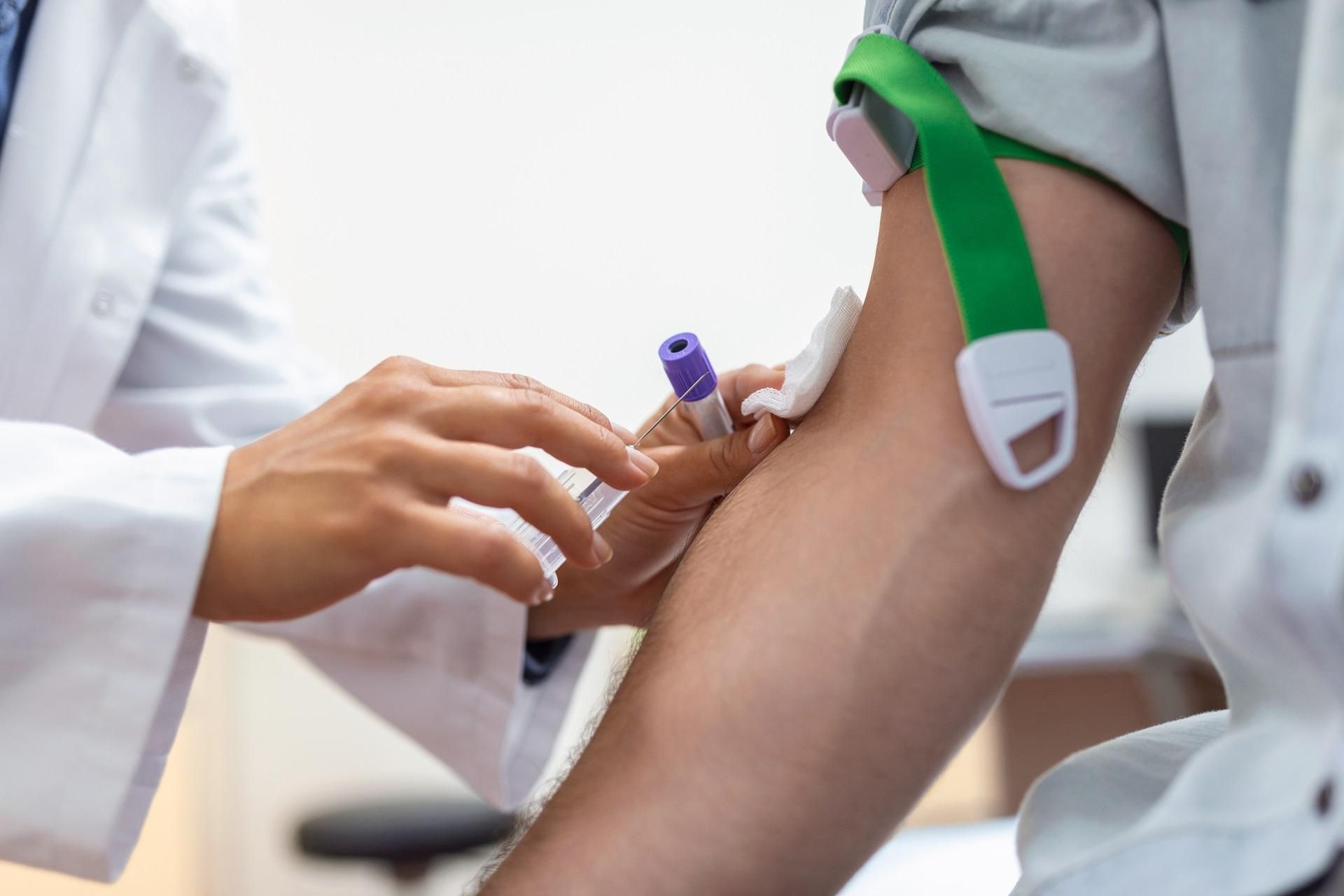
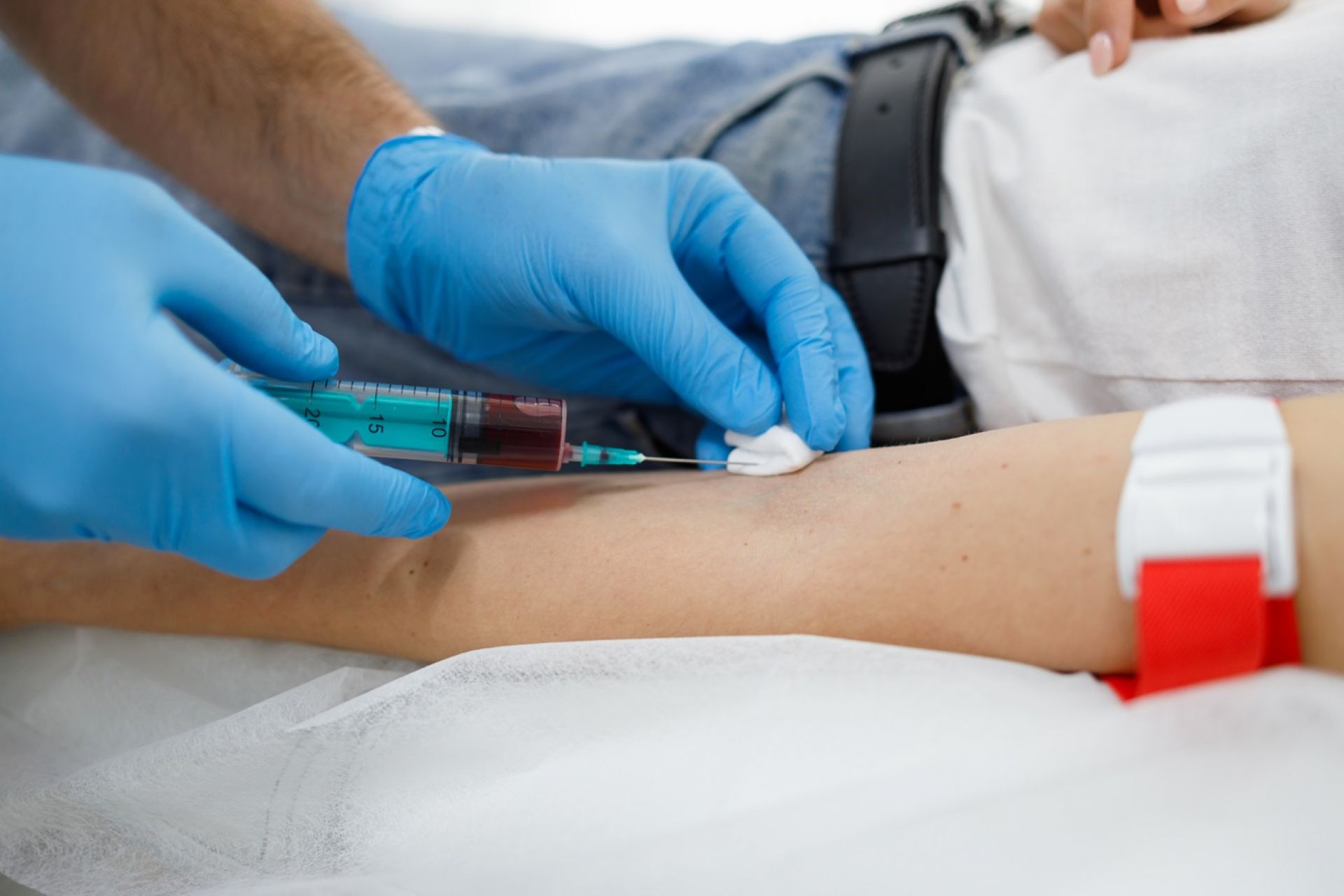
A small quantity of blood is extracted from a vein in your arm with a needle in order to obtain the blood sample.
A sterile container for urine sample collection will be provided to you by your healthcare provider. Proper urine sample collection involves using the midstream technique. It is important to discard the first urine drops to prevent contamination by microorganisms on the genital surface. Before collecting the sample, cleanse the genital area.
Lupikavach Lavender Female is suitable for all women. Factors like age, family history, and risk factors determine the necessity of health checkups. Regardless of your health condition, opting for a full-body checkup can help evaluate your overall well-being. These tests are particularly beneficial for women experiencing
- Disease symptoms
- Managing chronic health conditions
- Monitoring the effects of new medications
- Having risk factors such as obesity
- Having a family history of chronic illnesses
- Planning for family or approaching menopause
It is important for women to undergo regular health checkups, particularly if there is a family history of disease. Health checkup packages such as LUPIKAVACH LAVENDER FEMALE play a vital role in early disease detection and proactive management of their health.
Test reports should be interpreted by a qualified medical practitioner, but you can still check the report forms for normal ranges of all tests. If any test shows abnormal results, consult your healthcare provider. It is important to avoid self-medicating or beginning any treatment without consulting a healthcare provider.