Book a Home Collection Now!
10 Signs Your Immune System May Be Weakened
July 10, 2026 - By Lupin Diagnostics
Ever notice how some people sail through the monsoon season while others catch every bug going around? Your immune system works quietly in the background, and when it struggles, the signs of a weakened immune system often show up in surprisingly everyday ways. This article walks you through 10 common signals to pay attention to and what you can do about them.
Why is my Immune System Weak?
Not every dip in immunity means something serious. Sometimes the reasons for a weak immune system are temporary and lifestyle-driven. Poor sleep, for instance, reduces your body's ability to produce key infection-fighting cells. One study found that sleep deprivation lowers the germ-killing activity of neutrophils and disrupts important immune-signalling proteins.
Prolonged stress plays a similar role. When cortisol stays elevated for weeks, it actively suppresses white blood cell production. Think of it as your body choosing "survival mode" over "defence mode."
Medical immunodeficiencies are a different matter entirely. These involve deeper dysfunction in the immune system itself. If you suspect a medical condition, please speak with a qualified healthcare professional for proper evaluation.
What Are the 10 Signs Your Immune System May Be Weakened?
1. You Catch Constant Colds (And Recovery Takes Forever)
Adults typically get two to three colds each year. That is considered perfectly normal. But if you are falling sick every other month, your frontline defences may be struggling to keep up.
Watch for these patterns:
- Colds lasting well beyond a week
- Back-to-back infections with little gap between them
- Needing antibiotics more than twice a year
2. Your Wounds Take Unusually Long to Heal
A small cut or scrape usually closes up within days. That process depends on immune cells rushing to the wound site at every stage of healing, from stopping the bleeding to rebuilding tissue. When immunity is low, this entire chain slows down. Slow wound healing that you cannot explain deserves attention.
3. Frequent Digestive Issues Like Bloating or Diarrhoea
Your gut is not just about digestion. Roughly 70–80% of your immune cells live in the gut lining. That means gut health and the immune system are deeply connected.
Signs of immune system weakness to note include:
- Persistent bloating after regular meals like dal-rice or roti-sabzi
- Recurring bouts of diarrhoea or constipation
- Feeling unwell after foods you previously tolerated well
4. Chronic Fatigue Even After Restful Sleep
Feeling drained despite sleeping seven or eight hours? Chronic fatigue and immunity are closely related. When your body fights low-grade internal inflammation, it diverts energy away from daily activities. Sleep deprivation itself raises inflammatory markers such as C-reactive protein in the blood.
5. Persistent High Stress Levels
Ongoing stress does more than affect your mood. Research shows it decreases natural killer cell activity and weakens the coordination between your innate and adaptive immune responses.
Chronic stress may also contribute to:
- Stomach ulcers and sleep problems
- Heart-related issues over time
- Greater vulnerability to frequent infections in adults
6. Recurring Skin Rashes or Dry Patches
Your skin is the body's first physical barrier against germs. When immunity dips, you may notice unexplained rashes, persistent dryness, or flare-ups that keep returning.
7. Frequent Sinus or Ear Infections
Repeated internal infections, including sinusitis, ear infections, and urinary tract infections, may signal a deeper immune gap. If you find yourself needing antibiotics multiple times a year, it is worth getting evaluated. A healthcare provider can help determine whether further testing is needed.
8. Unexplained Joint or Muscle Pain
Aches without a clear cause can sometimes trace back to systemic inflammation. A stressed immune system may trigger low-level inflammatory responses that make joints and muscles tender.
9. Unexplained Weight Changes
Sudden weight gain or loss without dietary changes can reflect metabolic strain. Long-term inflammation places an ongoing burden on the body's systems.
10. Regular Cold Sores or Mouth Ulcers
Dormant viruses like HSV-1 tend to reactivate the moment immunity drops. Frequent cold sores or mouth ulcers, especially during stressful periods, are a common sign of a weak immune system.
How Can You Strengthen Your Defences?
Small, consistent changes often matter more than dramatic overhauls. Here are practical starting points:
- Sleep: Aim for 7–9 hours of quality sleep. Adequate rest supports your body's immune balance and helps regulate inflammatory responses
- Nutrition: Include micronutrient-rich Indian foods daily, such as amla, haldi, palak, curd, sprouted moong, and seasonal fruits. What you eat directly shapes your gut microbiota and, in turn, your immunity
- Movement: Moderate daily activity, even a 30-minute walk, supports overall immune function
- Stress management: Practices such as pranayama, meditation, or simply stepping away from screens can help keep cortisol in check
These are general wellness suggestions. Please consult your doctor before making significant lifestyle changes, especially if you have existing health conditions.
When Should You Consult a Doctor?
Lifestyle adjustments have their limits. You should seek medical evaluation if you experience:
- Infections requiring antibiotics more than twice yearly
- Wounds that refuse to heal over several weeks
- Persistent fatigue unrelieved by rest
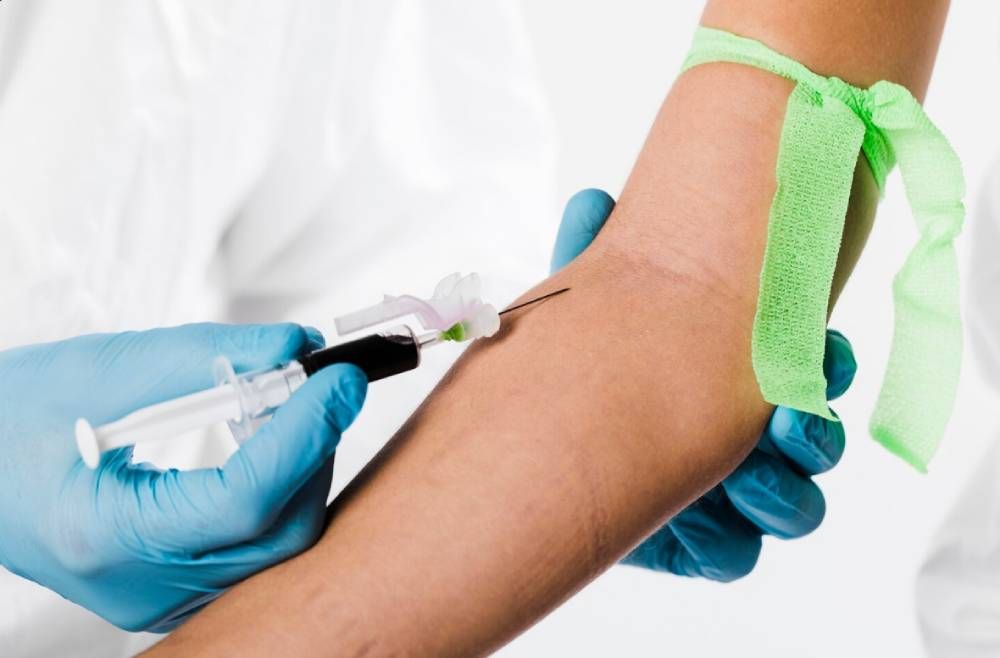
A doctor may recommend blood work, such as a Complete Blood Count (CBC) or immunoglobulin panels. These tests measure lymphocyte counts and other markers that reveal how well your immune system functions. Infants, older adults, and those with underlying conditions face a higher risk of complications from weakened immunity.
Taking Charge of Your Immune Health
Recognising signs your immune system may be weakened is the first step toward meaningful change. Most of these signals, from frequent colds to gut troubles, respond well to better sleep, nourishing food, and managed stress. The key is paying attention early, rather than waiting for symptoms to pile up.
Curious about where your immunity stands today? Lupin Diagnostics offers comprehensive health check-ups and blood tests at NABL-accredited labs across India, a simple way to get clarity and peace of mind.
Frequently Asked Questions (FAQs)
How many colds per year is considered normal before suspecting a weak immune system?
Adults average two to three colds annually. If you catch significantly more than that, or need repeated courses of antibiotics, it may be worth discussing with your doctor.
Can a basic complete blood count (CBC) test show if my immune system is weak?
A CBC measures your white blood cell and lymphocyte counts, which can indicate immune suppression. Your doctor may also recommend additional tests, such as cytokine levels or immunoglobulin panels, for a clearer picture.
What are the fastest dietary changes I can make to support my body's natural defences?
Start by adding more whole, micronutrient-rich foods to your daily meals, such as curd, seasonal fruits, green vegetables, and sprouted dals. Nutrition directly influences your gut microbiota, which in turn supports immune function.
Is there a direct link between chronic anxiety and picking up everyday viral infections?
Chronic stress and anxiety can lower natural killer cell and lymphocyte activity, weakening your body's ability to fight off infections. This makes you more susceptible to common viral illnesses.
Does taking massive daily doses of Vitamin C actually prevent a person from getting sick?
For most people, high-dose vitamin C supplements do not reduce the risk of catching a cold. Regular supplementation may slightly shorten a cold's duration or make symptoms milder, but it is not a guaranteed shield.
Can a lack of healthy gut bacteria genuinely cause someone to feel constantly exhausted?
Research across multiple clinical studies has found significantly lower gut microbiome diversity in people with chronic fatigue than in healthy individuals. A healthy gut appears to play an important role in sustaining energy levels.
Disclaimer: This article is published for informational and educational purposes only. It is not intended as a substitute for professional medical advice, diagnosis, or treatment. Always consult a qualified healthcare provider with any questions regarding a medical condition or before making changes to your health routine.
Featured Articles
Diabetes Screening For Diagnosis And Prevention
Posted on: 25th Oct 2023

Eating To Recover: The Best Foods For Getting Back On Your Feet After Cholera
Posted on: 22nd Jan 2026

What A Complete Blood Count (CBC) Tells You About Your Health
Posted on: 22nd Jan 2026