Book a Home Collection Now!
Complete Blood Analysis: What It Is, Types, and Why It Matters
May 20, 2026 - By Lupin Diagnostics
Ever glance at a complete blood analysis report and feel overwhelmed by the numbers? You're not alone. This test, also called a Complete Blood Count (CBC), is one of the most commonly ordered blood investigations worldwide. It offers a quick snapshot of your overall health. Here's a clear breakdown of what it measures, the different types, and why the numbers matter for your health.
What Is a Complete Blood Analysis Test?
A complete blood analysis test measures the cells circulating through your bloodstream. It covers three major cell types:
- Red blood cells (RBCs): Carry oxygen to every tissue in your body.
- White blood cells (WBCs): Your frontline defence against infections.
- Platelets: Tiny cells that help stop bleeding by forming clots.
The test also measures haemoglobin (the oxygen-carrying protein in RBCs) and haematocrit (the proportion of blood composed of red cells). Together, these values help your doctor spot issues like anaemia, infections, or clotting problems, often before symptoms even appear. Recent research also suggests that CBC values may help predict the risk for cardiovascular disease and type 2 diabetes.
What Are the Core Components of a CBC?
Each component in your report tells a different story. Here are the key markers your doctor looks at:
Haemoglobin and Haematocrit
Haemoglobin (Hb) is reported in g/dL. Low Hb is the hallmark of anaemia screening. It means your blood isn't carrying enough oxygen. Haematocrit shows what percentage of your blood volume is red cells. Both values differ between men and women.
Red Cell Indices
These include Mean Corpuscular Volume (MCV) and Red Cell Distribution Width (RDW). They reveal the size and uniformity of your red cells. This helps doctors understand why anaemia might be present, whether due to iron deficiency, vitamin B12 deficiency, or another cause.
WBC and Platelet Counts
A WBC differential breaks down your white cells into types. Platelets are counted to check clotting ability. Together, these values flag infections, inflammation, or bleeding disorders. Your doctor is the best person to interpret these in context.
How Do Standard and Differential CBC Types Differ?
A standard CBC gives you the total WBC count, i.e., one single number. A CBC with differential goes a step further. It breaks the total into five types of white blood cells:
- Neutrophils: Make up 40–60% of total WBCs and rise during bacterial infections.
- Lymphocytes: Count for 20–40%. Key players in viral defence and immunity.
- Monocytes: Help clean up damaged tissue.
- Eosinophils: Often rise during allergic reactions or parasitic infections.
- Basophils: Involved in inflammatory responses.
Your doctor may order a WBC differential when an infection, allergy, or immune condition is suspected. The breakdown reveals which arm of your immune system is most active.
What Do CBC Test Results Mean? Normal Ranges Explained
The meaning of your CBC test results becomes clearer when you compare your values to standard reference ranges. The table below shows commonly used adult ranges:
| Component | Adult Men | Adult Women |
|---|---|---|
| Haemoglobin | 13–18 g/dL | 12–16 g/dL |
| RBC count | 4.6–6.2 million/μL | 4.2–5.4 million/μL |
| WBC count | 4,500–11,000/μL | 4,500–11,000/μL |
| Platelets | 1.5–4 lakh/μL | 1.5–4 lakh/μL |
Important: These are general references. Your laboratory report will include its own specific ranges, which may differ slightly. Always compare your results against the ranges printed on your report.
What Do Abnormal Results Indicate?
Abnormal values don't always signal something serious, but they do warrant attention:
- Low haemoglobin or RBCs: May suggest anaemia due to nutritional deficiencies, chronic disease, or blood loss.
- High WBC count: Often linked to infection, inflammation, allergic reactions, or rarely, malignancy.
- Low platelets: Could indicate an increased risk of bleeding or bone marrow issues.
- High platelet count: Frequently reactive, triggered by infections or inflammation.
Abnormal values do not confirm a diagnosis on their own. Your doctor will interpret your values alongside your symptoms and medical history.
How Should You Prepare for a Complete Blood Analysis?
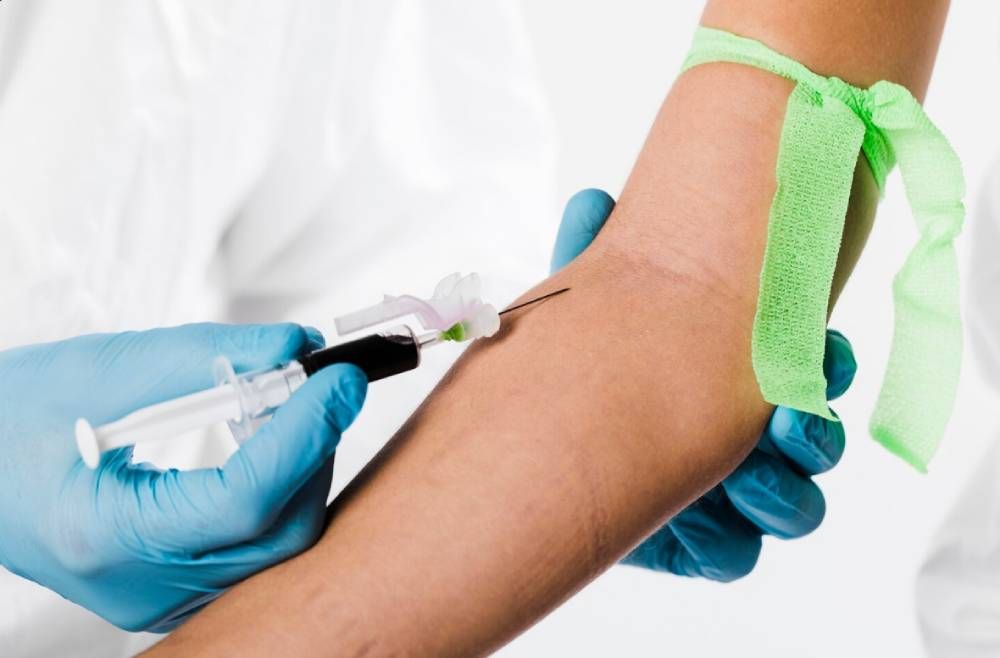
A CBC typically requires no special preparation. You can eat and drink normally beforehand. However, if your doctor has ordered additional tests alongside the CBC, you may need to fast for a few hours. Your healthcare provider will let you know in advance. Results are usually available within the same day or 24 hours.
Always discuss your report with a qualified healthcare professional rather than interpreting it yourself.
Making Sense of Your Complete Blood Analysis
A complete blood analysis is arguably the most useful screening tool in modern medicine. It catches early signs of anaemia, infection, and clotting issues, often before symptoms even appear. The key is not to panic over a single abnormal number and let your doctor read these numbers alongside your symptoms and medical history.
Wondering where your health stands today? Lupin Diagnostics offers CBC and a wide range of other blood tests at NABL-accredited labs and collection centres across India, with home sample collection also available.
Frequently Asked Questions
Do I need to fast before a complete blood analysis?
A CBC on its own does not require any fasting or special preparation, so you can eat and drink normally before the test. However, if your doctor has requested additional tests alongside it, such as blood sugar screening or other metabolic assessments using the same blood sample, you may be advised to avoid food for a few hours beforehand to ensure accurate results.
What is the difference between a CBC and a CBC with differential?
A standard CBC measures your total white blood cell count and provides a general overview of your immune system status. A CBC with differential further breaks this total down into five distinct types of white blood cells, namely neutrophils, lymphocytes, monocytes, eosinophils, and basophils, allowing a more detailed understanding of how your body responds to infections and inflammatory conditions.
How long does it take to get CBC results?
Most laboratories process complete blood count (CBC) samples using automated analysers for accuracy and efficiency. Results are usually available on the same day or, in some cases, within 24 hours.
Can stress affect my blood test results?
Mental stress can temporarily elevate your blood cell count, haemoglobin, and haematocrit levels. To ensure accurate results, get adequate rest, stay hydrated, avoid strenuous activity, and practice calming techniques like deep breathing before your blood test.
What does a high platelet count mean?
A high platelet count is often reactive, commonly resulting from infections, inflammation, recent illness, or other underlying medical conditions. Your doctor will carefully assess your overall health and may recommend additional follow-up testing if needed.
Disclaimer
This article is for informational purposes only and does not substitute professional medical advice, diagnosis, or treatment. If you have concerns about your blood test results or overall health, please consult a qualified healthcare provider.
Featured Articles
Diabetes Screening For Diagnosis And Prevention
Posted on: 25th Oct 2023

Eating To Recover: The Best Foods For Getting Back On Your Feet After Cholera
Posted on: 22nd Jan 2026

What A Complete Blood Count (CBC) Tells You About Your Health
Posted on: 22nd Jan 2026