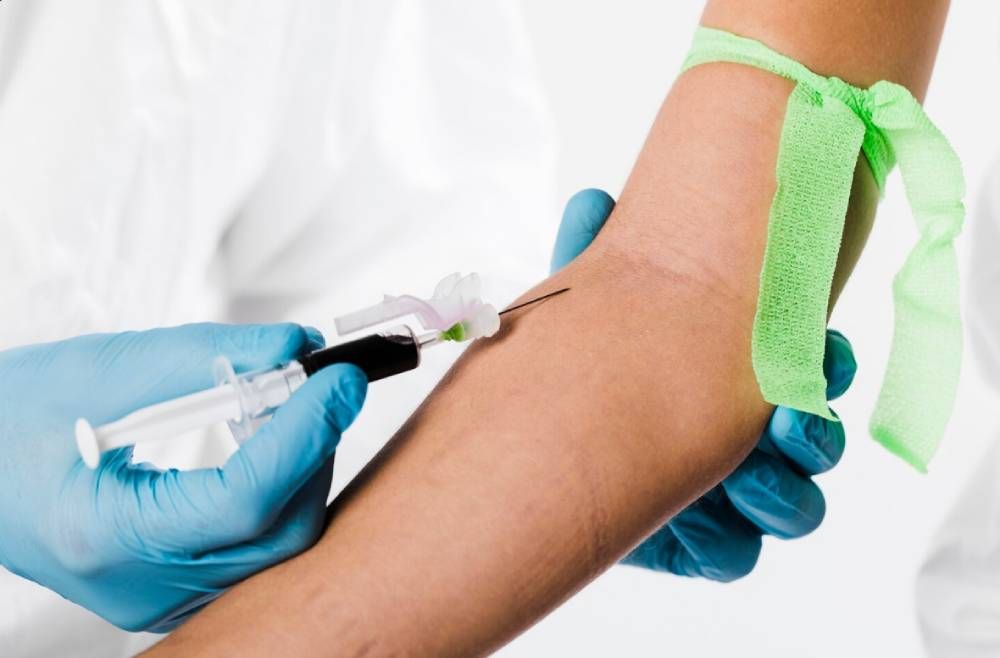
Book a Home Collection Now!
Top Health Checkups Recommended During Heat Wave Season
May 28, 2026 - By Lupin Diagnostics
When temperatures soar past 40°C, health checkups during heat wave season matter more than most people realise. You see the sweat and feel the sun. But inside, your heart pumps harder and your kidneys work overtime. This article covers the essential summer blood tests and screenings that help you stay ahead of the heat.
Why Does Extreme Heat Strain Your Body?
Your body redirects blood towards the skin to cool down. That means less blood flows to your stomach and kidneys. Over time, this shift can cause sudden spikes in clinical markers.
The strain goes deeper than discomfort. Heat can contribute to heart failure, stroke, and irregular heartbeats. Dehydration ranges from mild thirst to confusion and dangerously low blood pressure. A seasonal health audit catches these changes early.
What Are the Top Health Checkups During Heat Wave Season?
Doctors typically rely on a few key tests to spot heat-related trouble. These include serum electrolytes, kidney markers, and blood counts. Here are five screenings worth prioritising:
1. Serum Electrolyte Panel (Sodium and Potassium)
An electrolyte panel reveals mineral levels that sweating quietly drains. Here is what it tracks:
- Sodium and potassium balance: Low salt levels in muscles cause painful cramps. Fatigue and heart palpitations may follow.
- Guided rehydration: Results help your doctor decide whether oral or intravenous fluids are needed. Always consult a healthcare professional before starting any rehydration therapy.
2. Kidney Function Test (KFT / Bun & Creatinine)
A kidney function test measures BUN and creatinine. These markers flag early kidney strain:
- Reduced blood volume: Dehydration means less fluid reaches the kidneys. Waste products build up fast.
- Rhabdomyolysis risk: Severe heat can break down muscle tissue. The released proteins may damage kidney cells directly.
A simple KFT catches acute stress before symptoms turn serious.
3. Complete Blood Count (CBC) With Haematocrit
A dehydration screening often starts with a CBC. When you lose fluid through sweat, plasma volume drops. Blood cells appear more concentrated even though their actual number has not changed.
Haematocrit is especially useful during heat exposure and intense outdoor activity. It acts as a baseline tracker for your fluid status.
4. Blood Sugar and HbA1c Monitoring
People living with diabetes face a double challenge in summer. High blood sugar increases urination, which worsens dehydration. Damaged nerves and blood vessels can also impair sweat glands. The body then struggles to cool itself effectively.
Heat may also change how the body uses insulin. Regular HbA1c checks during peak summer help track control.
Please speak with your doctor about adjusting diabetes management in hot weather.
5. Cardiovascular Checks (ECG and Blood Pressure)
The heart works significantly harder when temperatures climb. Fluid loss can trigger sudden blood pressure drops, dizziness, and fainting:
- ECG screening: Detects irregular heart rhythms linked to heat strain.
- Blood pressure monitoring: Identifies dangerous dips caused by dehydration.
If you have a pre-existing heart condition, discuss summer screening schedules with your cardiologist.
Which High-Risk Groups Need Summer Screening Most?
Some people face greater danger from extreme heat. The table below maps each group to their specific vulnerability:
| High-Risk Group | Why Heat Is Especially Dangerous |
|---|---|
| Adults aged 65 and above | Chronic conditions like diabetes, heart, and kidney disease increase vulnerability |
| People with diabetes | Heat alters insulin use and accelerates dehydration |
| Cardiovascular patients | Extreme heat places serious strain on the heart |
| Those on diuretics | These medicines increase fluid loss, raising dehydration risk |
| Outdoor workers | Prolonged exposure raises the chance of heat-related illness |
What Are the Warning Signs That Call for Immediate Testing?
Heat stress does not always announce itself with dramatic symptoms. Watch for these subtle early signals:
- Persistent morning headaches that were not present before summer
- Dark-coloured urine despite drinking water regularly
- Unusual brain fog or difficulty concentrating
- Muscle spasms, especially in the legs or abdomen
- A racing pulse even while sitting or resting
- Heavy sweating paired with pale skin, nausea, or weakness
Body temperature can rise to 106°F or higher within just 10 to 15 minutes during heat stroke. Early testing matters.
How Should You Prepare for a Summer Health Checkup?
A few practical steps help ensure your test results are accurate:
- Stay consistently hydrated. However, avoid over-drinking water right before an electrolyte test just to "improve" your numbers. This can mask a real imbalance.
- Inform your doctor about all current medicines you are taking, such as diuretics and blood pressure tablets, that affect fluid balance.
- Some medicines may contribute to dehydration, but adjustments should only happen under medical guidance.
- Book early morning or evening appointments to avoid peak heat during travel.
Stay Ahead of the Heat From the Inside
Surviving summer safely is about monitoring your internal environment, not just checking the weather forecast. A focused set of health checkups during heat wave months can reveal hidden strain on your kidneys, heart, and blood chemistry before symptoms escalate.
If you would like to get your electrolytes, kidney function, or blood sugar checked this summer, Lupin Diagnostics offers a comprehensive range of tests at NABL-accredited labs across India, with home collection available for added convenience.
Frequently Asked Questions
Can a heatwave cause a false reading on my blood tests?
Yes. Dehydration concentrates the blood, which can raise haematocrit levels even when your red blood cell count is normal. Staying consistently hydrated before your test helps produce more accurate results.
Why do my muscles cramp so severely during peak summer days?
Sweating drains both salt and moisture from your body. When sodium levels in your muscles drop too low, painful cramps follow. An electrolyte panel can confirm whether you have a mineral imbalance.
Do I need to stop taking my blood pressure medication before a summer checkup?
You should never stop or change any medicine without speaking to your doctor first. Some medicines affect fluid balance, but only your physician can decide on adjustments.
How does dehydration specifically affect the kidneys?
When severe heat breaks down muscle tissue, large proteins and electrolytes flood the bloodstream. These substances can directly damage kidney cells if not cleared efficiently.
Is it safe to travel to a diagnostic lab during peak heatwave hours?
It is best to schedule outdoor activities, including lab visits, during the coolest part of the day. Lupin Diagnostics also offers home collection services for added safety.
This article is for informational and educational purposes only. It is not a substitute for professional medical advice, diagnosis, or treatment. Always consult a qualified healthcare provider with any questions about a medical condition or before making changes to your diet, medication, or health routine.
Featured Articles
Diabetes Screening For Diagnosis And Prevention
Posted on: 25th Oct 2023

Eating To Recover: The Best Foods For Getting Back On Your Feet After Cholera
Posted on: 22nd Jan 2026
What A Complete Blood Count (CBC) Tells You About Your Health
Posted on: 22nd Jan 2026