Book a Home Collection Now!
Osteopenia vs. Osteoporosis: What's the Difference?
August 14, 2026 - By Lupin Diagnostics
Your bones could be losing strength right now without a single symptom. Understanding osteopenia vs. osteoporosis helps you catch bone loss early. Both conditions weaken bones, but they differ in severity, risk, and how they are managed. This article breaks down how they differ, how doctors diagnose them, and what you can do to protect your bones.
What Is Osteopenia?
Think of osteopenia as a yellow signal for your bones. Your bone mineral density has dipped below normal, but it has not dropped low enough to qualify as osteoporosis. The WHO defines it by a T-score range of -1.0 to -2.5.
Here is what makes osteopenia worth paying attention to:
- It usually causes no symptoms or pain
- It signals that your bones are thinning gradually
- Without action, it can progress to osteoporosis
- Lifestyle changes at this stage can make a real difference
Catching bone loss at this midway point gives you the best window for bone loss prevention through diet, exercise, and regular monitoring.
What Is Osteoporosis?
Osteoporosis takes bone thinning a step further. Bones become brittle and fragile, and even a minor fall or bump can cause a fracture. A T-score of -2.5 or lower confirms this diagnosis.
The fragility fracture risk is significant at this stage:
- Approximately 37 million fragility fractures occur each year in adults aged 55 and older
- Additionally, 1 in 3 women and 1 in 5 men over age 50 will experience an osteoporosis-related fracture during their remaining lifetime
- Common fracture sites include the hip, spine, and wrist
- It is often called a "silent disease" because bone loss happens without obvious warning signs
How Do Osteopenia and Osteoporosis Differ?
The difference between osteoporosis and osteopenia comes down to degree. One is a warning; the other is an active condition needing medical attention. Here are the major differences:
| Factor | Osteopenia | Osteoporosis |
|---|---|---|
| T-Score | -1.0 to -2.5 | -2.5 or lower |
| Fracture Risk | Moderately increased | Significantly elevated |
| Symptoms | Usually none | Often none until a fracture occurs |
| Primary Approach | Lifestyle changes, monitoring | Medication plus lifestyle changes |
| Medication Trigger | Only if FRAX score shows high 10-year fracture risk | Generally recommended for most patients |
Your doctor can help determine whether medication is appropriate for your situation.
Also Read: Bone Health Guide: Calcium, Vitamin D, and Testing
How Does a DEXA Scan Diagnose Bone Health?
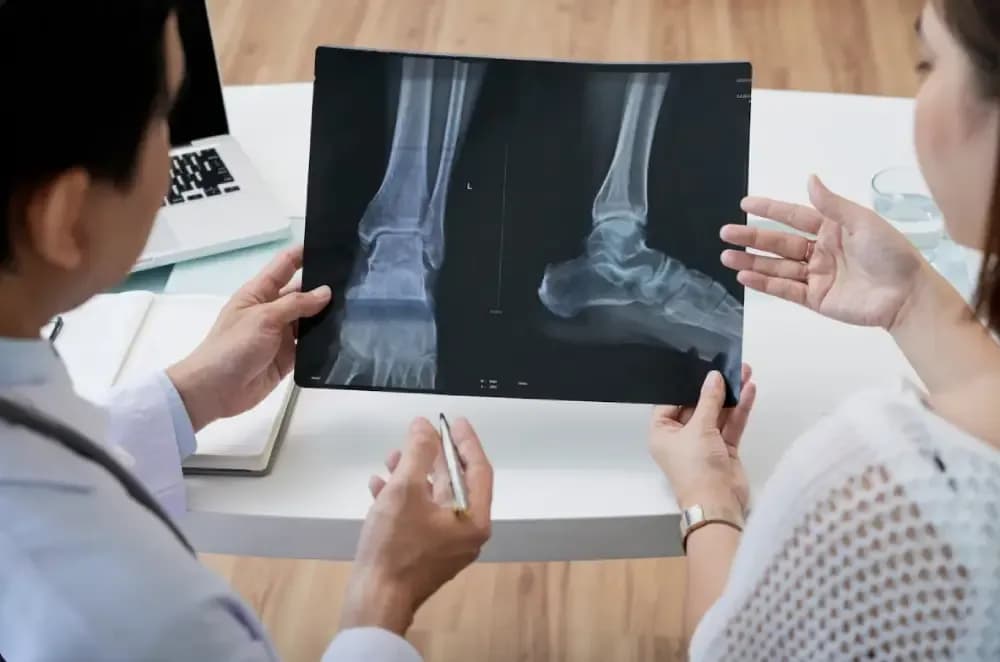
A DEXA scan (dual-energy X-ray absorptiometry) is the gold standard for measuring bone density. The WHO considers it the most reliable method available. It's quick, painless, and uses very low radiation.
Your results come as a T-score, which compares your bone density to a healthy young adult's peak bone mass.
Here is how to read your T-score results:
| T-Score | Classification | What It Means |
|---|---|---|
| -1.0 and above | Normal | Bones are in a healthy range |
| -1.0 to -2.5 | Osteopenia | Bone density is lower than normal |
| -2.5 or below | Osteoporosis | Bones are significantly weakened |
Screening is recommended for women aged 65 and older and men aged 70 and older. If you have risk factors, your doctor may suggest earlier testing.
What Causes Bone Density Loss?
Several factors contribute to weakening bones. The WHO groups these into modifiable and non-modifiable categories.
Risk factors you cannot change include:
- Older age
- Being female (women face higher risk)
- A history of prior fractures
- Menopause and the drop in oestrogen that follows
Risk factors you can address include:
- Low calcium and vitamin D intake
- A sedentary lifestyle with little physical activity
- Smoking and heavy alcohol use
- Long-term use of glucocorticoid medications
- Eating disorders that limit nutrient absorption
Can Osteopenia Be Reversed With Lifestyle Changes?
Yes, the right steps can slow or even prevent progression. Weight-bearing exercises like jogging, stair climbing, and resistance training help preserve bone density at stress points. Combined with proper nutrition, these habits form the foundation of bone loss prevention.
Practical steps that support bone strength include:
- High-impact weight-bearing activities three to four times a week
- Strength training targeting major muscle groups
- Getting enough calcium through paneer, dahi, ragi, and leafy greens
- Ensuring adequate vitamin D through sunlight and fortified foods
Speak with a healthcare professional before starting a new exercise programme, especially if you have existing joint or bone concerns.
When Are Prescription Medications Needed?
Osteopenia typically responds well to lifestyle measures alone. However, osteoporosis usually needs pharmacological support. Two main categories of medicines are used.
- Antiresorptive agents slow down bone breakdown. Bisphosphonates fall in this group and are approved for postmenopausal osteoporosis, osteoporosis in men, and glucocorticoid-induced bone loss
- Anabolic agents stimulate new bone formation. These are generally reserved for severe cases
Medication decisions depend on individual factors. Always consult your doctor before starting any treatment.
Also Read: Best Indian Bone Strengthening Foods for Strong Bones
Taking Charge of Your Bone Health
Osteopenia is your body's early alert. Osteoporosis is the condition you want to prevent. The difference between the two often comes down to timely action, a DEXA scan, better nutrition, regular exercise, and medical guidance when needed. Understanding osteopenia vs. osteoporosis puts you in a stronger position to protect your bones for years ahead.
Wondering where your bone health stands? Lupin Diagnostics offers DEXA scans and comprehensive health check-ups at NABL-accredited labs across India. Book a test to get a clear picture today.
Frequently Asked Questions
Does osteopenia always progress to osteoporosis?
Not necessarily. With weight-bearing exercise, adequate calcium and vitamin D, and healthy lifestyle habits, progression can be slowed or prevented. Individual outcomes vary based on risk factors.
At what age should women and men get their first DEXA scan?
Guidelines recommend screening at age 65 for women and 70 for men. Those with risk factors like early menopause or long-term steroid use may need earlier testing.
What is the FRAX score, and how does it measure fracture risk?
FRAX is a tool that calculates your 10-year probability of a major osteoporotic fracture or hip fracture. Doctors use it to decide whether medication is needed, especially for osteopenia.
Are there any visible physical warning signs of bone density loss?
Spinal fractures can cause noticeable height loss, back pain, and a stooped or hunched posture called kyphosis. However, bone loss itself is typically silent.
How much calcium and vitamin D should you take daily for low bone density?
Recommendations suggest 800 to 1,200 mg of calcium and 800 IU of vitamin D daily for postmenopausal women at increased fracture risk. Your doctor can personalise this based on your blood test reports.
Can walking alone build enough bone mass to prevent osteopenia?
Walking is helpful but may not be enough on its own. Higher-impact activities like jogging and resistance training are more effective at stimulating bone formation.
This article is for informational purposes only and does not substitute professional medical advice, diagnosis, or treatment. If you have concerns about your bone health, please consult a qualified healthcare provider.
Featured Articles

Eating To Recover: The Best Foods For Getting Back On Your Feet After Cholera
Posted on: 22nd Jan 2026
What A Complete Blood Count (CBC) Tells You About Your Health
Posted on: 22nd Jan 2026
Constant Fatigue? Here’s What Your Blood Test Might Reveal
Posted on: 22nd Jan 2026