Book a Home Collection Now!
Best Indian Bone Strengthening Foods for Strong Bones
July 22, 2026 - By Lupin Diagnostics
Think of every meal as a small deposit into your bone health savings account. Choosing the right foods for strong bones today can pay off for decades. Indian kitchens already hold many of these treasures, from humble ragi porridge to a bowl of fresh dahi. This article walks you through the best options, how they work, and what to avoid.
What Do Our Bones Actually Need?
Calcium is the building block, but it cannot do the job alone. Nearly all the calcium in your body sits in your bones and teeth, giving them structure and strength. Vitamin D acts like a key that unlocks your body's ability to absorb that calcium.
Then there is magnesium. It activates vitamin D and supports the bone-building cells called osteoblasts. Without enough magnesium, calcium may not reach your skeleton efficiently. So a food for healthy bones needs to deliver more than just one nutrient.
Top Millets and Grains: The Power of Ragi
Finger millet, known as ragi or nachni, deserves its superfood reputation. It contains roughly 364 mg of calcium per 100 g. Whole wheat offers only about 38 mg, and raw white long-grain rice offers about 4 mg per 100 g.
Here are simple ways to add ragi to your meals:
- Ragi roti: Swap one wheat roti with a ragi roti at lunch or dinner.
- Morning porridge (kanji): Cook ragi flour with milk or water for a warm, filling breakfast.
- Homemade laddus: Mix ragi flour with jaggery, ghee, and nuts for a wholesome snack.
These small shifts can boost your calcium intake in your Indian diet without overhauling your routine.
Indian Dairy Classics: Paneer, Curd, and Milk
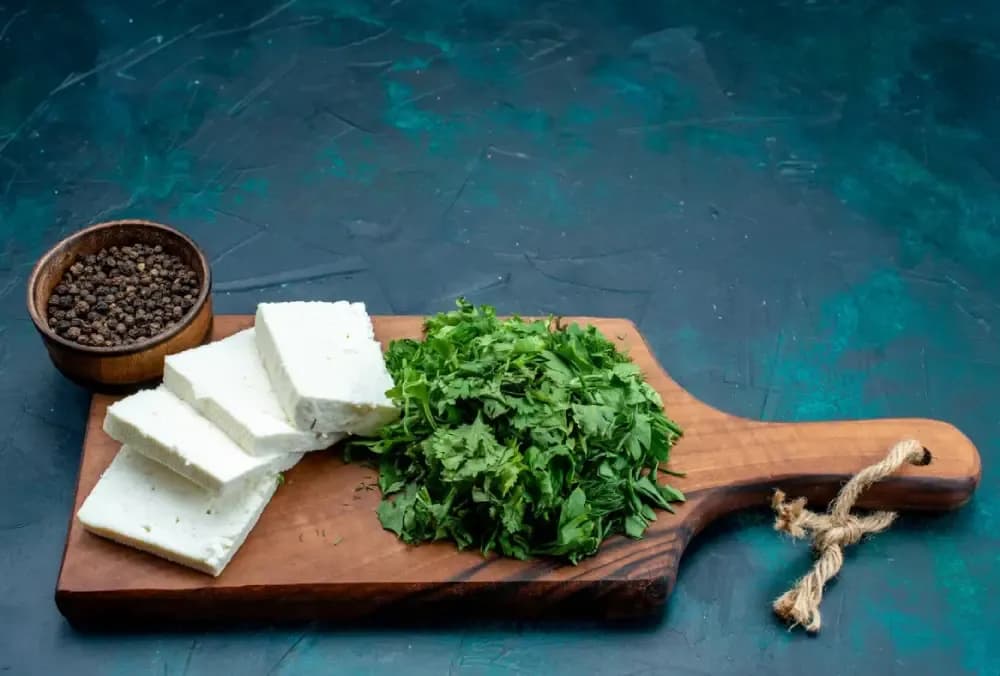
Milk, curd, and cheese remain the primary food sources of calcium for most people. Indian kitchens already use them daily, which is a natural advantage.
Traditional Dahi (Curd)
A bowl of homemade dahi with lunch does double duty. It delivers a generous dose of calcium and feeds the friendly bacteria in your gut. A healthy gut absorbs nutrients more efficiently. Even a small katori of curd with each meal adds up over the course of the day.
Fresh Paneer and Milk
Paneer and cow's milk provide high-quality protein alongside calcium. This protein supports the collagen framework inside bones. Think of collagen as the flexible scaffold that calcium hardens. Without enough protein, bones lose both strength and resilience. A palm-sized piece of paneer or a glass of milk daily helps maintain this balance.
Plant-Based Heroes: Seeds, Nuts, and Leafy Greens
Not everyone consumes dairy. Fortunately, several dairy-free calcium sources from Indian kitchens are remarkably effective.
1. Sesame Seeds (Til) and Amaranth (Rajgira)
Sesame seeds (til) have impressive nutritional facts. Til contains 975 mg of calcium per 100 g. Even a single tablespoon sprinkled on salads or rice makes a difference. Key highlights include:
- Til can provide 75 to 98% of your daily calcium needs, depending on the variety, with a daily value of 1300 mg.
- Rajgira chikki is a tasty snack that doubles as a bone-friendly treat.
- One to two tablespoons of sesame daily supports bone and muscle health.
2. Green Leafy Vegetables (Saag and Drumstick Leaves)
Indian leafy greens (saag) like methi, palak, and drumstick leaves (moringa) are rich in calcium, iron, and magnesium. Moringa leaves, in particular, are used across South India as a nutrient-dense addition to dal and sambar.
One important tip: spinach contains oxalates that can bind to calcium and reduce how much your body absorbs. Lightly cooking your greens helps reduce these oxalates significantly. A quick sauté or blanch makes the calcium far more available.
Speak with a nutrition professional if you have specific concerns about oxalate intake.
Daily Nutrient Density Comparison Chart
This table helps you mix and match foods to improve bone density across your meals:
| Indian Food Item | Primary Bone Nutrient | Easy Daily Serving Suggestion |
|---|---|---|
| Ragi (Finger Millet) | Calcium (364 mg/100 g) | Two ragi rotis or one bowl of ragi porridge |
| Sesame Seeds (Til) | Calcium (975 mg/100 g) | One tablespoon on salads, rice, or raita |
| Paneer | Calcium (88 mg/100g) and protein | One palm-sized piece in sabzi or salad |
| Curd (Dahi) | Calcium (127 mg/100g) and probiotics | One small katori with lunch or dinner |
| Moringa (Drumstick) Leaves | Calcium (185 mg/100 g), iron, and magnesium | A handful added to dal, paratha, or chutney |
Bone Depleters: Foods and Habits to Cut Back On
Even a great diet can be undermined by certain everyday habits:
- Excess salt: High salt intake increases the amount of calcium your kidneys flush out in urine. Reducing pickles, papads, and packaged snacks helps.
- Too much caffeine: Heavy chai or coffee consumption may reduce calcium absorption and increase calcium loss. Moderation is sensible; enjoy your chai, just watch the quantity.
- Sedentary lifestyle: Weight-bearing activities like walking, climbing stairs, or yoga help keep your bones strong. Sitting all day sends the opposite message.
These are general wellness suggestions. Please consult your doctor for advice tailored to your health situation.
Conclusion
Strong bones are built over years through consistent, everyday food choices. A single day's plate featuring ragi roti, a katori of dahi, a spoonful of til, and some cooked saag can cover a meaningful share of your calcium needs. The best Indian foods for bone strengthening are already in your kitchen.
If you would like to check your calcium or vitamin D absorption levels, Lupin Diagnostics offers comprehensive bone health tests at NABL-accredited labs and home collection services across India.
FAQs
Can eating too much spinach actually block my body from absorbing calcium due to oxalates, and how do I prevent this?
Yes, spinach contains soluble oxalates that can bind to calcium and lower absorption. Lightly cooking spinach (boiling or blanching) helps reduce oxalate content significantly.
Is it necessary to take an over-the-counter calcium supplement if I am already eating ragi and dairy every single day?
Most people can meet their calcium needs through food alone. Supplements are helpful when dietary intake falls short, but a doctor should assess your individual requirement first.
How many teaspoons of white or black sesame seeds (til) should an adult consume daily to support healthy bone density?
About one to two tablespoons per day supports bone, muscle, and nerve health. You can add them to raita, salads, chutneys, or laddus.
Are there any specific traditional Indian food combinations that naturally boost how well my body absorbs vitamin D?
Pairing calcium-rich foods like ragi or dahi with vitamin D sources and regular sunlight exposure helps improve absorption. Vitamin D is essential for your body to use calcium effectively.
Can drinking more than three cups of strong milk chai or coffee every day weaken my bones over time?
Heavy caffeine consumption may increase calcium loss through urine and reduce absorption. Limiting intake to two or three cups a day is a more bone-friendly approach.
What are the best plant-based, dairy-free Indian foods to improve bone density for individuals following a strict vegan diet?
Unhulled sesame seeds, ragi, and moringa leaves are excellent choices. Rajgira and cooked methi also contribute well.
This article is for informational and educational purposes only. It is not a substitute for professional medical advice, diagnosis, or treatment. Please consult a qualified healthcare provider for any questions regarding your bone health or dietary needs.
Featured Articles
Dehydrated How To Make A Lifesaving Diy Rehydration Drink For Cholera Recovery
Posted on: 22nd Jan 2026

Diabetes Screening For Diagnosis And Prevention
Posted on: 25th Oct 2023
Eating To Recover: The Best Foods For Getting Back On Your Feet After Cholera
Posted on: 22nd Jan 2026