Book a Home Collection Now!
Most Common Pathology Tests and What They Diagnose
June 5, 2026 - By Lupin Diagnostics
Ever wondered what those blood test reports actually tell your doctor? The most common pathology tests work like an early warning system. They reveal hidden imbalances in your body well before symptoms show up. Routine preventive care helps you stay well and catch problems early. This guide breaks down the top tests, what they screen for, and how to prepare.
What Is a Pathology Test and Why Do You Need One?
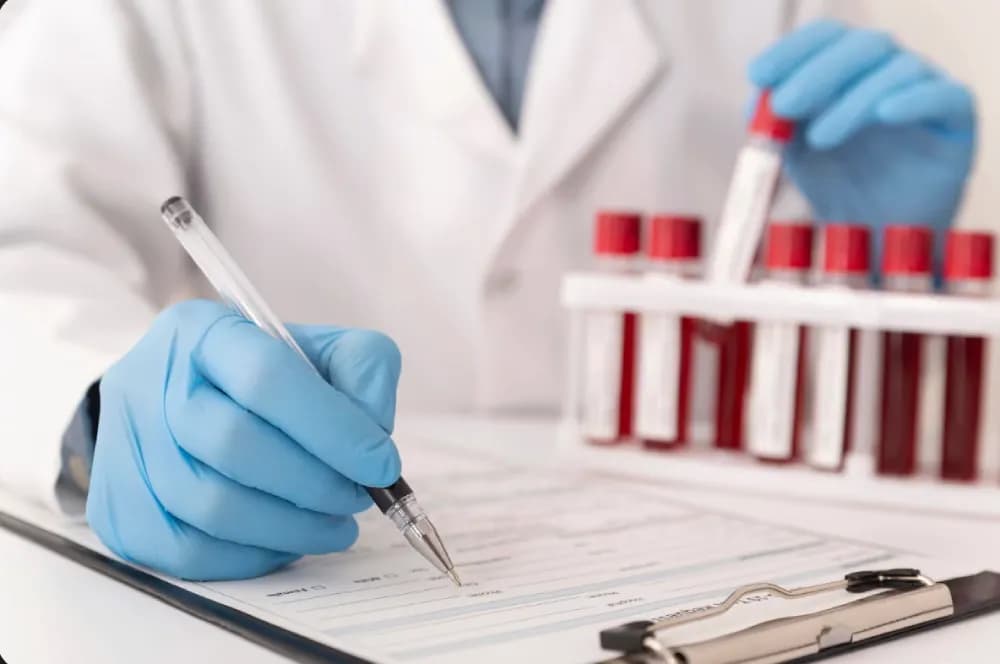
Think of pathology tests as your body's report card. A small sample of blood, urine, or tissue gives doctors a detailed look at how your organs are performing.
These tests serve several key purposes:
- Tracking general wellness by measuring cell counts, organ markers, and nutrient levels
- Diagnosing acute and chronic conditions such as anaemia, diabetes, liver disease, and kidney problems
- Monitoring ongoing treatments so your doctor can adjust medicines if needed
- Catching problems early, when they are often easier to manage
The complete blood count (CBC) and liver function tests (LFTs) are among the most frequently ordered panels worldwide. Together, they offer a broad snapshot of your health. Your doctor interprets results based on your unique medical history.
Quick-Glance Guide: Most Common Pathology Tests and What They Diagnose
Here is a handy reference for the top ten routine panels:
| Test | What It Primarily Diagnoses |
|---|---|
| Complete Blood Count (CBC) | Anaemia, infections, blood disorders |
| Lipid Profile | Heart disease risk, stroke risk |
| Liver Function Tests (LFTs) | Hepatitis, fatty liver, cirrhosis |
| Basic Metabolic Panel (BMP) | Kidney function, electrolyte balance |
| HbA1c | Prediabetes, diabetes |
| Thyroid Stimulating Hormone (TSH) | Thyroid disorders |
| Urinalysis | Urinary infections, kidney issues |
| Vitamin D & B12 | Nutritional deficiencies |
| Electrolyte Panel | Sodium and potassium imbalances |
| C-Reactive Protein (CRP) | Inflammation, infection markers |
Your doctor may order one or several of these based on your symptoms, age, and risk factors.
What Do the Most Common Pathology Tests Diagnose?
Each panel tells a different story about your body. Here is a closer look at five widely ordered tests.
Complete Blood Count (CBC)
The CBC is one of the most frequently ordered tests in medicine. It measures red blood cells, white blood cells, haemoglobin, and platelets. Low haemoglobin may point to anaemia. A high white cell count could signal an infection or immune response. Red cell indices like mean corpuscular volume (MCV) help pinpoint the type of anaemia. While unusual CBC values can prompt further investigation, a CBC alone does not diagnose cancer. Your doctor will interpret results alongside your clinical history.
Lipid Profile
This panel measures your cholesterol and triglyceride levels. High levels of low-density lipoprotein (LDL) cholesterol can cause plaque build-up in your arteries. That raises your risk of heart disease and stroke. A lipid profile typically requires 8 to 12 hours of fasting for accurate readings. Healthy adults should get this checked every four to six years.
Liver Function Tests (LFTs)
LFTs are among the most commonly ordered lab tests. They measure enzymes and proteins that reflect how well your liver is working. The pattern of elevation helps doctors narrow down whether the issue is hepatitis, fatty liver, or another condition. Mild, isolated elevations can sometimes be normal fluctuations.
Basic Metabolic and Kidney Function Panel
This panel checks creatinine, blood urea nitrogen (BUN), and electrolytes. Creatinine is a waste product from normal muscle breakdown. Your kidneys remove it from your blood. A glomerular filtration rate (GFR) of 60 or above is considered normal. A GFR below 60 may suggest kidney disease. Early detection through this panel helps protect long-term kidney health.
Haemoglobin A1c (HbA1c)
The HbA1c test measures your average blood sugar over the past three months. A reading below 5.7% is normal. Between 5.7% and 6.4% indicates prediabetes. A result of 6.5% or higher points towards diabetes. This single test offers a broader view than a one-time fasting sugar reading. Always discuss your HbA1c results with your healthcare provider before making dietary changes.
How Should You Prepare for Routine Pathology Tests?
Good preparation means accurate results. Follow these practical tips before your next lab visit:
- Fast for 8 to 12 hours before lipid and glucose tests. Water is usually fine, but skip chai and snacks.
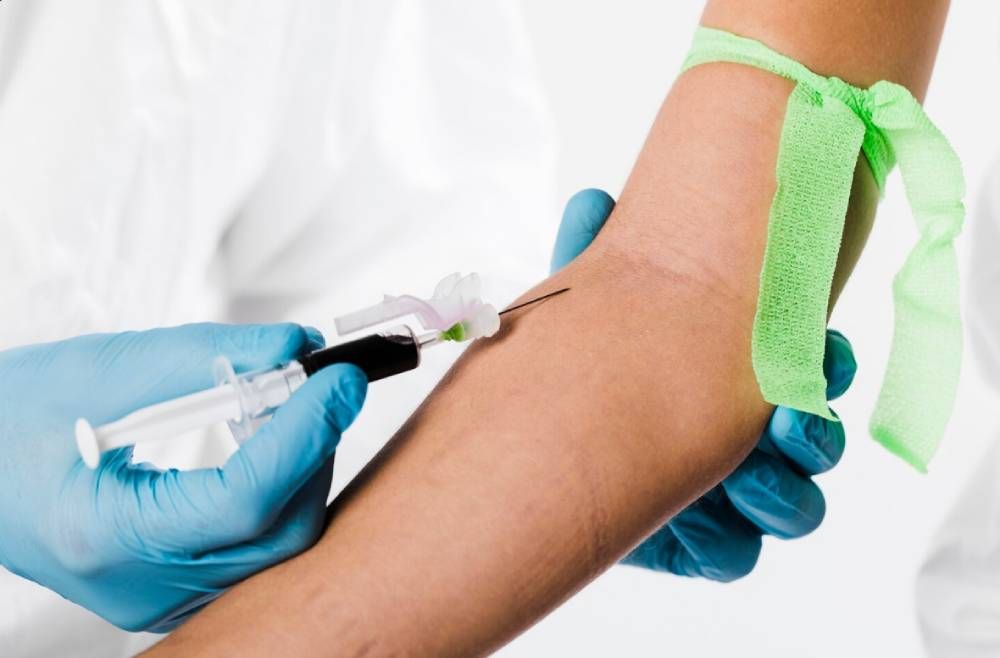
- Stay hydrated. Drinking water helps your veins stay accessible for a blood draw.
- List all medicines and supplements. Herbal remedies, vitamins, and over-the-counter tablets can affect results. Share this list with your lab or doctor.
- Avoid alcohol before fasting tests, as it can interfere with certain markers.
- Carry your previous reports so the doctor can compare trends over time.
- Wear comfortable clothing with sleeves that roll up easily.
Making Routine Lab Work Your Health Ally
Routine pathology tests are not something to dread. They are one of the simplest ways to stay ahead of potential health concerns. From a CBC that flags anaemia to an HbA1c that catches prediabetes early, these panels give your doctor the evidence needed to guide your care.
If it has been a while since your last health check-up, consider booking one soon. Lupin Diagnostics offers a wide range of the most common pathology tests at NABL-accredited labs and convenient collection centres across India.
Frequently Asked Questions
Why do some common pathology tests require strict fasting while others do not?
Tests like lipid profiles and fasting glucose are directly affected by recent food intake. Fasting for 8 to 12 hours ensures these biomarkers reflect your true baseline, not what you ate for dinner.
Can a routine complete blood count (CBC) test detect cancer?
A CBC alone does not diagnose cancer. However, abnormal values such as unusual white blood cell counts can prompt your doctor to order further, more specific investigations.
How long does it typically take to get results back from standard pathology tests?
Routine tests like CBC, lipid panels, and metabolic panels typically return results within 24 to 48 hours.
What everyday factors can accidentally skew my routine blood work results?
Medicines, herbal remedies, vitamins, supplements, alcohol, and certain foods can all interfere with test accuracy. Always disclose everything you are taking to the lab or your doctor.
If my pathology test results fall slightly outside the reference range, does it mean I am sick?
Not necessarily. Mild, isolated variations can be normal fluctuations. Your doctor will consider your overall clinical picture, symptoms, and medical history before drawing conclusions.
How often should a healthy adult schedule routine pathology health checkups?
For cholesterol, healthy adults are generally advised to test every four to six years. Your doctor may recommend more frequent testing based on your age, family history, or existing health conditions.
This article is for informational and educational purposes only. It does not replace professional medical advice, diagnosis, or treatment. Please consult a qualified healthcare provider for any medical concerns or before acting on information presented here.
Featured Articles

Dehydrated How To Make A Lifesaving Diy Rehydration Drink For Cholera Recovery
Posted on: 22nd Jan 2026
Diabetes Screening For Diagnosis And Prevention
Posted on: 25th Oct 2023

Eating To Recover: The Best Foods For Getting Back On Your Feet After Cholera
Posted on: 22nd Jan 2026